
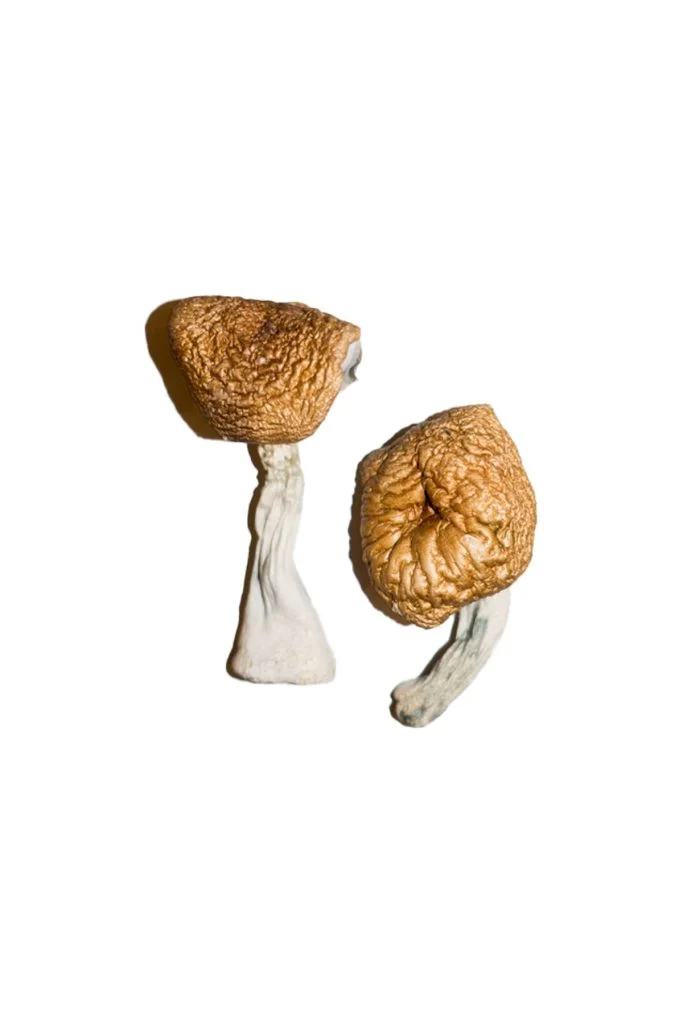
Magic mushrooms have become one of the most discussed psychedelic substances in modern culture. Once primarily associated with underground psychedelic communities, magic mushrooms are now being discussed in scientific research, mental-health conversations, wellness communities, popular culture, and changing drug-policy debates.
But what exactly are magic mushrooms?
What makes psilocybin mushrooms psychedelic? What can someone experience? How long do the effects last? Are all mushrooms the same? What does a responsible mushroom experience involve? And what should someone know about legality and safety?
This comprehensive mushroom guide explores the subject from an educational perspective.
Magic mushrooms generally refers to mushrooms containing naturally occurring psychedelic compounds, most notably psilocybin and psilocin. These compounds can produce changes in perception, mood, thoughts, sensory experiences, and one’s sense of time.
The experience can vary considerably from person to person. Factors such as the mushroom species, potency, amount consumed, individual biology, surroundings, expectations, and previous psychedelic experience can all influence what happens.
Because psychedelic experiences can be unpredictable, education and responsible decision-making are important.
Important: This article is intended for educational purposes and isn’t medical or legal advice. Psilocybin-containing mushrooms are illegal or restricted in many jurisdictions. Laws can change, so always check the current laws where you live. Anyone considering psychedelic substances should also consider potential health risks and speak with a qualified healthcare professional when appropriate.
What Are Magic Mushrooms?
Magic mushrooms are mushrooms that contain psychedelic compounds capable of producing altered states of consciousness.
The term can refer to numerous mushroom species, although the best-known group is the Psilocybe genus.
The primary psychedelic compound found in many magic mushrooms is psilocybin.
After ingestion, the body converts psilocybin into psilocin, which interacts with serotonin receptors in the brain.
This interaction is associated with many of the perceptual and psychological effects people describe during a psychedelic experience.
Unlike ordinary edible mushrooms, psychedelic mushrooms can substantially alter how a person perceives their surroundings and internal thoughts.
People may report:
- Changes in colors and patterns
- Altered perception of sounds
- Distorted sense of time
- Intensified emotions
- Unusual thought patterns
- Changes in self-perception
- Visual phenomena
- Deep introspection
- Feelings of connection
- Anxiety or confusion
- A sense of wonder or awe
Not every person experiences the same effects.
What Are Psilocybin Mushrooms?
Psilocybin mushrooms are mushrooms containing psilocybin, a naturally occurring psychedelic compound.
Psilocybin itself is considered a prodrug because the body converts it into psilocin.
Psilocin interacts with serotonin receptors, particularly the 5-HT2A receptor, which researchers believe plays an important role in psychedelic experiences.
This helps explain why psilocybin can produce such significant changes in perception and cognition.
Research into psilocybin has expanded substantially in recent years, with scientists investigating its potential applications in areas such as depression, anxiety associated with serious illness, substance-use disorders, and other mental-health conditions.
However, research findings should not be confused with proof that recreational mushroom use is universally safe or effective.
Clinical research generally occurs under controlled conditions involving screening, preparation, supervision, and professional support.
How Do Magic Mushrooms Work?
The effects of magic mushrooms primarily come from psilocybin and its metabolite, psilocin.
After psilocybin is consumed, the body converts it to psilocin.
Psilocin then interacts with serotonin systems in the brain.
Serotonin is involved in several functions, including:
- Mood
- Cognition
- Perception
- Sleep
- Memory
- Emotional processing
Because psychedelic compounds influence these systems, a person may experience changes in ordinary patterns of thinking and perception.
One reason psychedelic experiences can feel so different from everyday consciousness is that psilocybin appears to alter communication between brain networks.
Researchers continue studying exactly how these changes relate to subjective psychedelic experiences.
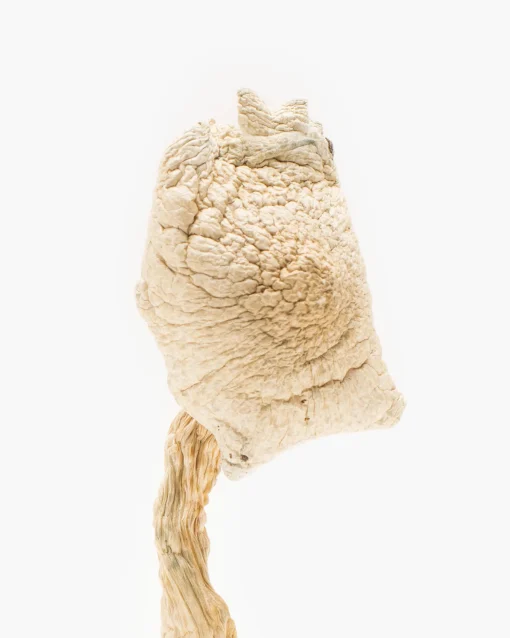
What Does a Magic Mushroom Experience Feel Like?
There is no single universal mushroom experience.
One person may describe a psychedelic experience as peaceful, fascinating, emotional, or deeply meaningful.
Another person may experience confusion, fear, overstimulation, or anxiety.
The effects can also change during the same experience.
Possible experiences include:
Visual Changes
Some people notice:
- Brighter colors
- Enhanced contrast
- Geometric patterns
- Movement or distortion
- Changes in depth perception
- Altered appearance of familiar objects
Visual effects can range from subtle changes to much more noticeable alterations.
Changes in Sound
Music may appear more immersive or emotionally powerful.
Sounds may seem unusually detailed or distorted.
Altered Time Perception
Time can feel unusually slow, fast, fragmented, or difficult to estimate.
A period that objectively lasts a short amount of time may feel much longer.
Emotional Intensification
Emotions may become stronger.
This can include positive emotions such as:
- Happiness
- Wonder
- Gratitude
- Curiosity
- Connection
But difficult emotions may also become stronger, including:
- Fear
- Anxiety
- Sadness
- Confusion
- Paranoia
This is one reason preparation and environment matter.
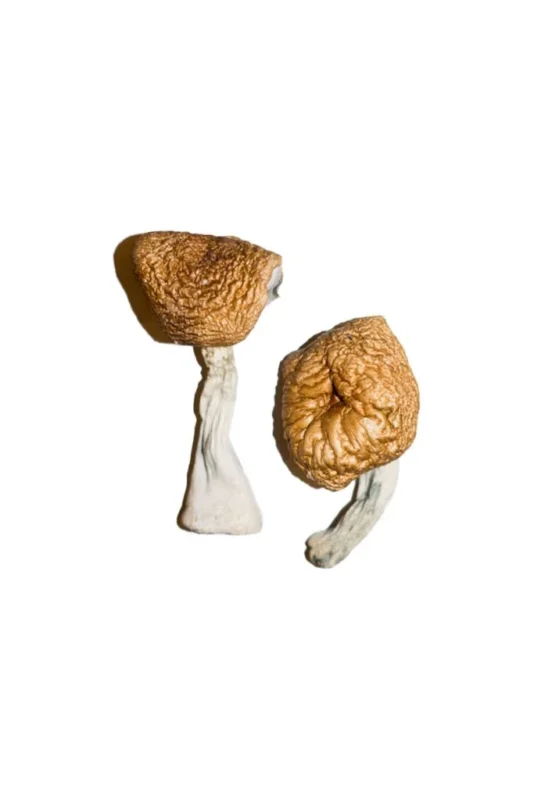
What Is a Psychedelic Experience?
A psychedelic experience is an altered state of consciousness associated with substances such as psilocybin.
Unlike ordinary intoxication, psychedelics can affect several aspects of consciousness simultaneously.
Someone may notice changes in:
- Visual perception
- Auditory perception
- Emotional intensity
- Thought patterns
- Memory
- Self-awareness
- Sense of time
- Sense of identity
- Interpretation of surroundings
Some people describe a feeling that ordinary mental boundaries have become less rigid.
Others experience strong introspection or unusual associations between ideas.
The Importance of Set and Setting
One of the most important concepts in psychedelic education is set and setting.
Set
“Set” refers broadly to a person’s mindset going into the experience.
This can include:
- Mood
- Expectations
- Stress level
- Emotional state
- Previous experiences
- General psychological well-being
Setting
“Setting” refers to the surrounding environment.
This can include:
- Physical surroundings
- People present
- Noise
- Lighting
- Sense of safety
- Familiarity with the environment
The same substance can produce very different subjective experiences depending on a person’s mindset and environment.
This is why psychedelic research and harm-reduction discussions frequently emphasize preparation and context.
How Long Do Magic Mushrooms Last?
The timeline of a psilocybin experience varies depending on several factors.
These can include:
- Individual metabolism
- Mushroom species
- Potency
- Amount consumed
- Whether food was recently consumed
- Individual sensitivity
- Other substances
- Personal expectations
A typical psychedelic experience may unfold through several stages.
Beginning
The effects may gradually become noticeable.
Peak
The most intense changes in perception, emotion, and thought may occur.
Gradual Return
The intensity eventually decreases, although residual emotional or mental effects may continue for a while.
The exact timeline varies considerably.
Someone experiencing unexpected or unusually intense effects should avoid driving or other activities requiring coordination and judgment.
Why Magic Mushroom Potency Can Vary
One important point in any mushroom guide is that mushroom potency isn’t necessarily uniform.
Potency can vary based on:
- Species
- Genetics
- Growing conditions
- Individual mushroom
- Storage conditions
- Processing
- Age
This means that two mushrooms that appear similar can potentially contain different amounts of active compounds.
Visual appearance alone is therefore not a reliable way to determine potency.
This variability is one reason consumers should be cautious about assuming that a particular mushroom variety will produce an identical experience every time.
Common Types of Psilocybin Mushrooms
There are numerous species and varieties associated with psilocybin.
Some names commonly encountered in psychedelic communities include:
- Psilocybe cubensis
- Psilocybe semilanceata
- Psilocybe cyanescens
- Psilocybe azurescens
- Psilocybe tampanensis
However, mushroom names can be confusing.
Different vendors and communities may use different names, and commercial strain names don’t necessarily have the same scientific meaning as botanical species.
Consumers should also be aware that misidentifying wild mushrooms can be extremely dangerous because poisonous mushrooms can resemble non-poisonous species.
Magic Mushroom Strains vs. Species
The word “strain” is commonly used in cannabis culture and is also frequently used in mushroom communities.
However, it can sometimes be used loosely.
A mushroom’s scientific species is not necessarily the same thing as a commercial or community “strain” name.
When evaluating a mushroom product, it’s useful to distinguish:
Scientific classification
from
Marketing or community terminology.
This can make product descriptions easier to understand.
Magic Mushroom Dosage: Why Potency Matters
Searches for magic mushroom dosage are common, but there isn’t one universal amount that produces the same effect for every person.
Different mushrooms can contain different concentrations of active compounds.
Other variables include:
- Individual body chemistry
- Previous experience
- Sensitivity
- Product potency
- Other substances
- Mental and physical condition
For this reason, generic dose charts can create a false sense of precision.
Clinical research uses carefully controlled materials and environments that may differ considerably from products obtained elsewhere.
Anyone considering psilocybin should avoid assuming that a dosage discussed online will produce the same experience for them.
Microdosing vs. Psychedelic Experiences
Microdosing refers to taking an amount intended to produce subtle or minimally noticeable effects rather than a full psychedelic experience.
Microdosing has received significant attention online, with claims about potential improvements in:
- Creativity
- Focus
- Mood
- Productivity
- Emotional well-being
However, evidence remains mixed, and expectations can influence perceived benefits.
Anecdotal reports should not be treated as scientific proof.
Research into microdosing continues, and questions remain about its long-term effects, effectiveness, and appropriate use.
Potential Effects of Psilocybin Mushrooms
The effects of psilocybin mushrooms can be divided broadly into physical, perceptual, emotional, and cognitive effects.
Perceptual Effects
Possible effects include:
- Altered colors
- Pattern recognition
- Visual distortions
- Enhanced music appreciation
- Changes in spatial perception
- Altered time perception
Cognitive Effects
Some people report:
- Unusual associations
- Rapid changes in ideas
- Introspection
- Altered self-awareness
- Difficulty concentrating
- Changes in memory
Emotional Effects
Possible experiences include:
- Euphoria
- Wonder
- Gratitude
- Empathy
- Emotional openness
- Anxiety
- Fear
- Confusion
Physical Effects
Possible physical effects can include:
- Nausea
- Increased heart rate
- Changes in blood pressure
- Dizziness
- Fatigue
- Headache
- Changes in coordination
The experience can vary significantly.
Can Magic Mushrooms Cause a Bad Trip?
Yes.
A difficult psychedelic experience is often called a bad trip.
It may involve:
- Intense fear
- Panic
- Paranoia
- Confusion
- Distressing thoughts
- Feeling trapped
- Time distortion
- Emotional overwhelm
A difficult experience doesn’t necessarily mean that someone has suffered permanent harm, but it can be extremely distressing.
The risk may be greater when someone is already experiencing significant stress, fear, emotional instability, or an unsafe environment.
What Can Make a Psychedelic Experience Difficult?
Potential contributors include:
- Uncomfortable surroundings
- Fearful expectations
- Unexpected potency
- Mixing substances
- Lack of preparation
- Being around unfamiliar people
- Existing psychological vulnerability
- Sleep deprivation
- Physical discomfort
This is why responsible psychedelic education focuses on more than the substance itself.
Magic Mushrooms and Mental Health
Psilocybin is being studied extensively in mental-health research.
Researchers have investigated its potential relevance to conditions including:
- Depression
- Anxiety
- Substance-use disorders
- Psychological distress associated with serious illness
Some clinical trials have produced promising results.
However, research settings are very different from unsupervised recreational use.
Clinical participants may undergo:
- Screening
- Preparation sessions
- Controlled dosing
- Professional supervision
- Psychological support
- Follow-up care
Therefore, research into psilocybin-assisted therapy should not be interpreted as evidence that self-directed use provides identical benefits.
Psilocybin and Depression Research
Depression is one of the major areas of modern psilocybin research.
Researchers are investigating whether carefully administered psilocybin, combined with psychological support, may help certain patients.
Some studies have reported meaningful improvements in depressive symptoms.
However, results don’t mean that everyone with depression should use magic mushrooms.
People with mental-health conditions should consult qualified healthcare professionals, especially before considering psychedelic substances.
Psilocybin and Anxiety Research
Researchers have also examined psilocybin-assisted approaches for anxiety, including anxiety associated with serious illness.
Some studies suggest potential benefits under professionally supervised conditions.
The research is still developing, and the therapeutic environment appears to be an important component of the intervention.
Psilocybin and Addiction Research
Another area of scientific interest is substance-use disorders.
Researchers are exploring whether psychedelic-assisted approaches might influence:
- Craving
- Habitual behavior
- Emotional processing
- Motivation
- Cognitive flexibility
This field remains under investigation.
More research is needed to determine who may benefit, what therapeutic models work best, and how durable the effects are.
Magic Mushrooms and Spiritual Experiences
Psychedelic mushrooms have been associated with spiritual and ceremonial practices in some cultures for centuries.
People may describe experiences involving:
- Connection with nature
- Unity
- Transcendence
- Awe
- Personal reflection
- Spiritual symbolism
However, interpretations of psychedelic experiences are highly personal.
A psychedelic experience doesn’t automatically produce a spiritual or meaningful outcome.
Magic Mushrooms and Creativity
Creativity is another commonly discussed aspect of psychedelic experiences.
Some people report experiencing:
- New associations
- Different perspectives
- Increased curiosity
- Changes in artistic perception
- Greater openness to ideas
Scientific research into psychedelics and creativity is ongoing.
Importantly, an altered state doesn’t necessarily mean improved creativity in every context.
Are Magic Mushrooms Addictive?
Psilocybin is generally not considered to have the same dependence profile as substances such as nicotine or opioids.
However, that doesn’t mean psychedelic use is risk-free.
A person can still develop unhealthy patterns around substance use.
There may also be psychological and behavioral risks depending on how frequently and why someone uses psychedelics.
Psilocybin Tolerance
Tolerance to psilocybin can develop relatively quickly.
Repeated use over a short period may produce reduced subjective effects.
This is one reason why frequent use may not produce the same experience as occasional use.
Tolerance is different from addiction, but both concepts are important when discussing psychedelic substances.
Are Magic Mushrooms Safe?
There is no simple yes-or-no answer.
The risks associated with magic mushrooms can depend on:
- Individual health
- Mental-health history
- Mushroom identity
- Potency
- Amount consumed
- Environment
- Other substances
- Medication interactions
- Frequency of use
One of the most serious risks associated with mushrooms is misidentification.
Wild mushrooms can look similar to one another, and some poisonous species can cause severe illness or death.
Never consume a wild mushroom simply because it resembles a mushroom someone has identified online.
Who Should Be Especially Cautious?
Certain people may face greater risks from psychedelic substances.
Extra caution is warranted for individuals with:
- A personal history of psychosis
- Certain psychiatric conditions
- Serious cardiovascular conditions
- Significant medication interactions
- Pregnancy or breastfeeding
- A history of severe reactions to psychoactive substances
Because individual circumstances differ, professional medical advice is appropriate when health conditions or medications are involved.
Psilocybin and Medication Interactions
Psychedelic substances can interact with medications or health conditions.
People taking psychiatric medications or other prescription drugs should not assume that combining them with psilocybin is safe.
Potential interactions may be complicated by:
- Medication type
- Dosage
- Individual metabolism
- Existing health conditions
- Other substances
Anyone taking prescription medication should speak with a qualified healthcare professional before considering psilocybin.
Why Mixing Substances Can Be Risky
Combining psychedelics with alcohol, cannabis, stimulants, prescription medications, or other drugs can make effects less predictable.
Mixing substances may increase:
- Confusion
- Anxiety
- Impaired coordination
- Cardiovascular strain
- Nausea
- Psychological distress
From a harm-reduction perspective, avoiding unpredictable combinations is generally safer than assuming one substance will cancel out or improve the effects of another.
Magic Mushrooms and Set & Setting
A safe environment is particularly important when discussing psychedelic experiences.
People should consider whether the environment is:
- Familiar
- Calm
- Physically safe
- Free from unnecessary hazards
- Comfortable
- Supported by trusted people
Someone experiencing intense psychedelic effects should not drive, operate machinery, swim, climb, or engage in other activities where impaired judgment could cause injury.
What Is a Trip Sitter?
A trip sitter is a sober, trusted person who remains available to support someone during a psychedelic experience.
A responsible sitter can help by:
- Maintaining a calm environment
- Offering reassurance
- Monitoring physical safety
- Helping the person avoid dangerous situations
- Calling for medical assistance if necessary
A sitter shouldn’t attempt to control someone’s psychological experience.
Their primary role is safety and reassurance.
What to Do During a Difficult Psychedelic Experience
If someone becomes frightened or overwhelmed:
Stay Calm
Panic from other people can intensify the situation.
Reduce Stimulation
A quieter, calmer environment may help.
Offer Reassurance
Simple reminders that the experience is temporary can be grounding.
Avoid Arguments
Trying to debate unusual beliefs or perceptions may increase distress.
Maintain Physical Safety
Keep the person away from traffic, heights, bodies of water, machinery, and other hazards.
Seek Medical Assistance When Necessary
If someone loses consciousness, has serious breathing difficulties, experiences a seizure, becomes dangerously agitated, or appears to have consumed an unidentified poisonous mushroom, seek emergency medical help immediately.
Magic Mushrooms and the Importance of Identification
One of the most important safety principles in any mushroom guide is accurate identification.
There are many mushroom species that look similar.
Some poisonous mushrooms can resemble species that contain psilocybin.
The consequences of a mistaken identification can be severe.
For this reason, people should never rely on:
- A random photograph
- An online comment
- A social-media post
- A vague description
- A casual identification from someone without appropriate expertise
When in doubt, don’t consume an unidentified mushroom.
Magic Mushroom Products
Modern psychedelic markets may contain a wide range of products marketed around mushrooms.
These can include:
- Dried mushrooms
- Mushroom capsules
- Mushroom-infused products
- Edibles
- Extracts
- Mushroom-themed wellness products
However, labeling can vary substantially between jurisdictions and sellers.
Consumers should carefully distinguish between:
Products containing psilocybin
and
Products marketed as functional mushrooms or mushroom supplements.
They’re not necessarily the same thing.
Psychedelic Mushrooms vs. Functional Mushrooms
The term “mushroom” covers a huge range of fungi.
Functional mushrooms such as:
- Lion’s mane
- Reishi
- Chaga
- Cordyceps
are different from psychedelic mushrooms containing psilocybin.
Functional mushroom supplements are generally marketed for wellness purposes and don’t produce the classic psychedelic effects associated with psilocybin.
Understanding the difference can prevent confusion when shopping for mushroom products.
Magic Mushrooms vs. Amanita Mushrooms
Amanita products are another category that sometimes appears in discussions about psychedelic or psychoactive mushrooms.
However, Amanita species such as Amanita muscaria contain different psychoactive compounds and should not be treated as equivalent to psilocybin mushrooms.
Different compounds can produce different effects and risks.
This is another reason product labels should be examined carefully.
How to Store Mushroom Products Responsibly
Storage requirements depend on the specific product.
Consumers should follow the manufacturer’s instructions and pay attention to:
- Moisture
- Temperature
- Light
- Packaging
- Contamination
- Product expiration information
Keep psychoactive products secured away from children, pets, and anyone who should not access them.
Edible products deserve particular caution because their appearance may resemble ordinary food.
Magic Mushroom Legality
The legal status of magic mushrooms varies considerably around the world.
Some jurisdictions prohibit psilocybin completely.
Others have decriminalized certain possession offenses.
Some have created regulated or supervised programs.
These categories are not interchangeable.
Legalization
Generally means an activity is legally permitted within a defined regulatory framework.
Decriminalization
Generally means certain conduct may no longer carry the same criminal penalties, but it doesn’t necessarily mean commercial sales are legal.
Medical or Therapeutic Programs
May allow specific forms of supervised access under defined conditions.
Because laws can change, consumers should check the current rules applicable to their location.
Why Mushroom Laws Can Be Confusing
Psychedelic laws can involve several different legal concepts:
- Possession
- Cultivation
- Sale
- Distribution
- Personal use
- Medical use
- Therapeutic use
- Decriminalization
- Religious use
- Commercial production
A jurisdiction may treat each differently.
Therefore, reading that “magic mushrooms are legal” without understanding what “legal” means can lead to misunderstandings.
Magic Mushrooms and the Future of Psychedelic Research
The scientific interest surrounding psilocybin has grown significantly.
Researchers are studying questions such as:
- How does psilocybin affect brain networks?
- Why do some people respond better than others?
- How durable are therapeutic effects?
- What role does psychotherapy play?
- What are the long-term risks?
- How should psychedelic treatments be regulated?
- Who should not receive psychedelic therapy?
As research continues, the public conversation around magic mushrooms is likely to become increasingly sophisticated.
The Difference Between Research and Recreational Use
This distinction is extremely important.
A clinical trial might involve:
- Carefully measured psilocybin
- Medical screening
- Controlled surroundings
- Trained professionals
- Psychological preparation
- Monitoring
- Follow-up
Recreational use may involve none of these safeguards.
Therefore, research results should not automatically be applied to unsupervised use.
Common Myths About Magic Mushrooms
Myth 1: Everyone Has the Same Experience
Reality: Experiences vary significantly.
Myth 2: Magic Mushrooms Are Always Euphoric
Reality: Psychedelics can produce both positive and difficult emotions.
Myth 3: More Intense Means Better
Reality: Intensity doesn’t guarantee a meaningful or positive experience.
Myth 4: All Mushrooms Have the Same Potency
Reality: Potency can vary between species, varieties, and individual mushrooms.
Myth 5: Psychedelics Are Completely Risk-Free Because They’re Natural
Reality: Natural substances can still cause significant psychological and physical risks.
Myth 6: Legalization Means Mushrooms Are Legal Everywhere
Reality: Laws differ by jurisdiction.
Myth 7: A Mushroom’s Appearance Proves What It Contains
Reality: Appearance isn’t a reliable indicator of psychedelic content or safety.
A Beginner’s Mushroom Guide to Responsible Education
Anyone researching magic mushrooms should start with education rather than assumptions.
Understand:
1. The Substance
Know what psilocybin is and how it differs from other psychoactive compounds.
2. The Product
Understand what the product actually contains.
3. The Law
Check the current laws in your jurisdiction.
4. The Risks
Learn about psychological, physical, and interaction-related risks.
5. The Environment
Understand how set and setting can influence an experience.
6. The Individual
Recognize that personal health and mental-health history matter.
7. The Uncertainty
Remember that psychedelic experiences can be unpredictable.
Frequently Asked Questions About Magic Mushrooms
What are magic mushrooms?
Magic mushrooms are mushrooms containing psychedelic compounds such as psilocybin. They can produce significant changes in perception, mood, cognition, and consciousness.
What are psilocybin mushrooms?
Psilocybin mushrooms are mushrooms that naturally contain psilocybin, which the body converts into psilocin.
What does psilocybin do?
Psilocybin can alter perception, cognition, emotional processing, sensory experiences, and the subjective sense of time.
How long do magic mushrooms last?
The duration varies depending on the individual, mushroom potency, amount consumed, metabolism, and other factors.
What is a mushroom trip?
A mushroom trip is the subjective experience produced by consuming a psychedelic mushroom containing compounds such as psilocybin.
Can magic mushrooms cause hallucinations?
They can produce visual and perceptual changes, including patterns, distortions, and other unusual sensory experiences.
Can magic mushrooms cause anxiety?
Yes. Some people experience anxiety, fear, confusion, or panic during psychedelic experiences.
What is a bad trip?
A bad trip generally refers to a difficult or distressing psychedelic experience involving emotions such as fear, panic, paranoia, or confusion.
Are magic mushrooms addictive?
Psilocybin isn’t generally considered to have the same dependence potential as substances such as nicotine or opioids, but psychedelic use can still become unhealthy or problematic for some individuals.
Are magic mushrooms legal?
The legal status varies significantly depending on the country, state, and local jurisdiction.
Are magic mushrooms the same as functional mushrooms?
No. Psilocybin mushrooms are psychedelic, while functional mushrooms such as lion’s mane and reishi are generally used for nutritional or wellness purposes.
Are all mushroom strains equally strong?
No. Potency can vary substantially between species, varieties, individual mushrooms, and products.
Can magic mushrooms interact with medications?
Potentially. Interactions can depend on the medication, individual health, and other factors. People taking medication should consult a qualified healthcare professional.
Can you overdose on magic mushrooms?
Very high or unexpected exposure can result in severe psychological or physical effects, and consuming an unidentified poisonous mushroom can be life-threatening. Serious symptoms require emergency medical attention.
Can you drive after taking magic mushrooms?
Driving while experiencing psychedelic effects is unsafe because perception, coordination, reaction time, and judgment can be impaired.
Why is mushroom identification important?
Some poisonous mushrooms can resemble psychedelic species. Mistaken identification can result in severe poisoning.
What is microdosing?
Microdosing generally refers to taking a very small amount intended to produce subtle effects rather than a full psychedelic experience. Evidence regarding its benefits remains mixed.
Are magic mushrooms being studied for medical purposes?
Yes. Researchers are studying psilocybin in controlled clinical settings for several mental-health and behavioral conditions.
Does research prove that magic mushrooms are a treatment?
No. Research findings are promising in some areas but don’t mean that unsupervised mushroom use is an established medical treatment.
Final Thoughts: Understanding Magic Mushrooms Responsibly
Magic mushrooms and psilocybin mushrooms are among the most fascinating subjects in modern psychedelic research.
Their history reaches back through traditional practices, while contemporary science is investigating how psychedelic compounds affect perception, cognition, emotions, and brain function.
At the same time, increased interest shouldn’t lead to oversimplification.
Magic mushrooms aren’t simply “good” or “bad.” Their effects depend on numerous factors, and psychedelic experiences can be deeply positive for some people while being confusing or distressing for others.
The most responsible approach begins with education.
Understand what psilocybin is. Learn how psychedelic experiences can differ. Recognize the importance of mindset and environment. Be aware of potential health and medication concerns. Don’t assume that every mushroom product is the same. Never casually consume unidentified wild mushrooms. And most importantly, understand the laws that apply where you live.
For Dope Bliss, the goal of psychedelic education should be to help readers approach the subject with curiosity while also respecting the risks and uncertainties involved.
The psychedelic world is evolving rapidly.
Scientific research is expanding. Public attitudes are changing. Regulations are developing. And new questions continue to emerge about how psychedelic substances may fit into medicine, culture, wellness, and society.
The more people learn, the better equipped they are to separate evidence from hype.
Dope Bliss SEO Recommendations
Primary SEO Keyword
Magic Mushrooms
Secondary SEO Keywords
- Psilocybin Mushrooms
- Mushroom Guide
Supporting Keywords
- Psychedelic Mushrooms
- Magic Mushroom Guide
- Psilocybin Guide
- Mushroom Effects
- Mushroom Safety
- Mushroom Experiences
- Psychedelic Education
- Mushroom Strains
- Magic Mushroom Dosage
- Mushroom Legality
- Psychedelic Wellness
- Psilocybin Effects
- Psychedelic Experience
- Mushroom Identification
- Mushroom Research
- Psilocybin Research
- Mushroom Safety Guide
- Magic Mushroom Experience
- Psychedelic Mushroom Guide
- Psilocybin Education
Long-Tail SEO Keywords
- What are magic mushrooms?
- What are psilocybin mushrooms?
- How do magic mushrooms work?
- How long do magic mushrooms last?
- What does a mushroom trip feel like?
- Are magic mushrooms safe?
- Are magic mushrooms legal?
- What is psilocybin?
- What are the effects of psilocybin mushrooms?
- What is a bad trip?
- What is mushroom microdosing?
- Can magic mushrooms cause anxiety?
- Are magic mushrooms addictive?
- Magic mushroom safety guide
- Complete psilocybin mushroom guide
- Beginner’s mushroom guide
- Magic mushroom effects explained
- Psilocybin mushroom effects
- Psychedelic mushroom safety
- Magic mushroom legality
- Magic mushrooms and mental health
- Psilocybin and depression research
- Psilocybin and anxiety research
Recommended SEO Title
Magic Mushrooms: The Complete Guide to Psilocybin Mushrooms, Effects & Safety
Alternative SEO Titles
Magic Mushrooms Guide: Everything You Need to Know About Psilocybin Mushrooms
The Ultimate Mushroom Guide: Magic Mushrooms, Psilocybin, Effects & Safety
Psilocybin Mushrooms Explained: The Complete Magic Mushroom Guide
Recommended Meta Description
Explore our complete magic mushrooms guide covering psilocybin mushrooms, effects, experiences, safety, legality, research, mushroom varieties, and essential psychedelic education.
Recommended URL Slug
/magic-mushrooms-guide/
Recommended H1
Everything You Need to Know About Magic Mushrooms: The Complete Mushroom Guide
Suggested Internal Linking Strategy
For Dope Bliss, this article can serve as a pillar page for psychedelic mushroom education.
Supporting Article: Cannabis Flowers
Suggested anchor text:
complete guide to cannabis flowers
Link when comparing cannabis and psychedelic mushrooms as different categories of psychoactive substances.
Supporting Article: Indica vs. Sativa
Suggested anchor text:
understanding cannabis strains
Link when explaining that cannabis terminology and mushroom terminology aren’t always interchangeable.
Supporting Article: Cannabis Edibles
Suggested anchor text:
cannabis edibles guide
Link when discussing the difference between psychedelic mushroom products and cannabis-infused products.
Supporting Article: Cannabis Storage
Suggested anchor text:
how to store cannabis properly
Link when discussing the importance of responsible storage for psychoactive products.
Recommended Content Cluster for Dope Bliss
Pillar Page
Everything You Need to Know About Magic Mushrooms
Educational Articles
- What Is Psilocybin?
- How Do Magic Mushrooms Work?
- Magic Mushroom Effects Explained
- How Long Do Magic Mushrooms Last?
- What Does a Psychedelic Experience Feel Like?
- Set and Setting Explained
- What Is a Bad Trip?
- Magic Mushroom Safety Guide
- Psilocybin and Mental Health Research
- Psilocybin and Creativity
- What Is Mushroom Microdosing?
Mushroom Education
- Psilocybe Species Explained
- Magic Mushroom Species vs. Strains
- How Mushroom Potency Can Vary
- Functional Mushrooms vs. Psychedelic Mushrooms
- Psilocybin Mushrooms vs. Amanita
- Why Mushroom Identification Matters
Legal & Policy Content
- Magic Mushroom Laws by State
- Psilocybin Laws in the USA
- Decriminalization vs. Legalization
- The Future of Psilocybin Policy
- Psychedelic Therapy Laws Explained
Safety Content
- Psilocybin and Medication Interactions
- Magic Mushrooms and Mental Health
- Psychedelic Safety Guide
- What to Do During a Difficult Psychedelic Experience
- Why Wild Mushroom Identification Is Important
- Responsible Mushroom Storage
Recommended Image SEO
Hero Image
Concept: Artistic but realistic arrangement of psychedelic mushrooms in a natural environment.
Alt text:
Magic mushrooms and psilocybin mushroom guide
Image 2
Concept: Educational illustration showing the general relationship between psilocybin and psilocin.
Alt text:
Psilocybin and psilocin explained
Image 3
Concept: Educational comparison between psychedelic mushrooms and functional mushrooms.
Alt text:
Psilocybin mushrooms vs functional mushrooms
Image 4
Concept: Peaceful natural environment representing set and setting.
Alt text:
Psychedelic mushroom set and setting
Image 5
Concept: Scientific laboratory research involving psychedelic compounds.
Alt text:
Psilocybin mushroom research
Image 6
Concept: Educational graphic showing different categories of mushroom species.
Alt text:
Magic mushroom species guide
Image 7
Concept: Responsible mushroom storage in a secure location.
Alt text:
Responsible magic mushroom storage
Recommended SEO Tags
Magic Mushrooms, Psilocybin Mushrooms, Mushroom Guide, Psychedelic Mushrooms, Magic Mushroom Guide, Psilocybin Guide, Mushroom Effects, Mushroom Safety, Mushroom Experiences, Psychedelic Education, Mushroom Strains, Magic Mushroom Dosage, Mushroom Legality, Psychedelic Wellness, Psilocybin Effects, Psychedelic Experience, Mushroom Identification, Psilocybin Research, Psychedelic Mushroom Guide
Recommended Category
Psychedelic Education
Recommended Content Pillar
Magic Mushrooms & Psilocybin Education
Recommended Content Length
5,000–7,000+ words
This article is designed as a long-form SEO pillar page around “Magic Mushrooms,” with supporting topical coverage for “psilocybin mushrooms” and “mushroom guide.” The supporting articles can then target narrower long-tail searches and link back to this guide to strengthen Dope Bliss’s topical authority.
Magic Mushrooms: The Complete Guide to Psilocybin Mushrooms, Effects, Safety, Legality & Psychedelic Education
Primary Keyword: Magic Mushrooms
Secondary Keywords: Psilocybin Mushrooms, Mushroom Guide
SEO Tags: Magic Mushrooms, Psilocybin Mushrooms, Mushroom Guide, Psychedelic Mushrooms, Magic Mushroom Guide, Psilocybin Guide, Mushroom Effects, Mushroom Safety, Mushroom Experiences, Psychedelic Education, Mushroom Strains, Magic Mushroom Dosage, Mushroom Legality, Psychedelic Wellness, Psilocybin Effects, Psychedelic Experience, Mushroom Identification, Psilocybin Research, Psychedelic Mushroom Guide
Magic mushrooms have become one of the most widely discussed subjects in the modern psychedelic world. From ancient cultural traditions to contemporary scientific research, magic mushrooms have a long and fascinating history.
Today, interest in psilocybin mushrooms extends beyond psychedelic communities. Researchers, wellness enthusiasts, psychologists, policymakers, entrepreneurs, and curious consumers are increasingly interested in understanding what these mushrooms are, how they affect perception and consciousness, what risks they may carry, and how changing laws are shaping their future.
But increased attention also creates a need for accurate information.
There are many misconceptions surrounding psychedelic mushrooms. Some online sources exaggerate their benefits, while others focus exclusively on potential risks. A balanced mushroom guide should do neither. Instead, it should explain what is known, what remains uncertain, and why individual experiences can vary considerably.
This comprehensive magic mushroom guide explores the history, science, effects, experiences, safety considerations, terminology, legality, research, and future of psychedelic mushrooms.
Important: This article is intended for educational purposes only and is not medical or legal advice. Psilocybin-containing mushrooms are prohibited or regulated differently depending on where you live. Always check current local laws and consult an appropriately qualified healthcare professional regarding personal health concerns, medications, or potential risks.
What Are Magic Mushrooms?
Magic mushrooms is a common term for mushrooms that contain naturally occurring psychedelic compounds.
The best-known compound associated with these mushrooms is psilocybin, which the body converts into psilocin.
Many psychedelic mushrooms belong to the Psilocybe genus, although psilocybin-containing species occur across several genera.
Unlike ordinary culinary mushrooms, psychedelic mushrooms can influence consciousness and perception. Their effects can involve changes in:
- Visual perception
- Sound perception
- Mood
- Thought patterns
- Sense of time
- Self-awareness
- Emotional processing
- Sensory intensity
- Personal meaning and interpretation
The experience isn’t identical for everyone.
Two people can consume what appears to be the same type of mushroom and report noticeably different mushroom experiences.
This variability is one of the most important concepts to understand when researching psychedelic mushrooms.
What Are Psilocybin Mushrooms?
Psilocybin mushrooms are mushrooms containing psilocybin, a naturally occurring psychedelic compound.
Psilocybin is converted by the body into psilocin. Psilocin interacts with serotonin receptors in the brain, particularly receptors associated with perception, cognition, and emotional processing.
Scientists are continuing to investigate how these interactions influence consciousness.
Research suggests that psychedelics can temporarily alter communication and activity across brain networks. These changes may help explain why people can experience unusual thought patterns, altered perceptions, and changes in their sense of self.
It’s important to distinguish scientific research from internet claims, however.
The fact that researchers are studying psilocybin doesn’t mean every claim about psilocybin effects has been scientifically established.
A Brief History of Psychedelic Mushrooms
The history of psychedelic mushrooms extends far beyond modern recreational culture.
Certain mushroom species containing psychoactive compounds have been associated with traditional practices in parts of the world for generations.
In particular, Indigenous cultures in parts of Mesoamerica have longstanding traditions involving psychoactive fungi in ceremonial and spiritual contexts.
Modern Western interest in psychedelic mushrooms expanded substantially during the twentieth century.
Scientific interest declined for a period amid changing drug policies and cultural controversy, but research has experienced a major resurgence in recent decades.
Today, psilocybin research is examining questions involving neuroscience, psychology, mental health, consciousness, addiction, and therapeutic applications.
This historical progression helps explain why magic mushrooms occupy such a unique place between traditional knowledge, modern science, culture, and public policy.
Psychedelic Mushrooms Explained
The phrase psychedelic mushrooms generally refers to mushrooms capable of producing significant changes in consciousness through compounds such as psilocybin.
The word psychedelic is often associated with experiences involving altered perception and unusual changes in thought.
During a psychedelic experience, an individual may notice:
- Colors appearing more vivid
- Patterns becoming more noticeable
- Music feeling unusually immersive
- Time seeming distorted
- Thoughts becoming more associative
- Emotions becoming intensified
- Familiar surroundings seeming unfamiliar
- Increased introspection
- Changes in the sense of identity
These effects can be fascinating for some people but overwhelming for others.
There is no universal psychedelic experience.
What Is a Psychedelic Experience?
A psychedelic experience is an altered state of consciousness associated with substances such as psilocybin.
Unlike ordinary changes in mood, a psychedelic experience can influence several aspects of consciousness simultaneously.
A person may experience changes in:
Perception
Objects, colors, patterns, sounds, and physical surroundings may seem different.
Thought
Ideas may become more associative or unusual. Some people report thinking about familiar subjects from completely different perspectives.
Emotion
Emotions can become intensified, sometimes producing feelings of happiness, wonder, gratitude, sadness, fear, or emotional openness.
Time
Minutes may feel much longer or shorter than they objectively are.
Self-Perception
Some individuals describe changes in their ordinary sense of identity or boundaries between themselves and their surroundings.
These effects are highly individual and can depend on many circumstances.
Understanding Mushroom Effects
One of the most frequently searched topics in psychedelic education is mushroom effects.
The effects of psilocybin-containing mushrooms can be broadly grouped into psychological, perceptual, emotional, and physical categories.
Psychological Effects
Possible psychological effects include:
- Introspection
- Unusual associations
- Changes in thought patterns
- Increased emotional awareness
- Altered perception of personal experiences
- Difficulty concentrating
- Confusion
- Changes in self-perception
Perceptual Effects
Possible perceptual changes include:
- Enhanced colors
- Geometric patterns
- Visual distortions
- Altered depth perception
- Changes in sound perception
- Altered sense of movement
- Time distortion
Emotional Effects
Some people describe:
- Wonder
- Curiosity
- Joy
- Connection
- Gratitude
- Emotional openness
Others may experience:
- Fear
- Anxiety
- Sadness
- Confusion
- Paranoia
- Emotional overwhelm
Physical Effects
Potential physical effects may include:
- Nausea
- Dizziness
- Increased heart rate
- Changes in blood pressure
- Fatigue
- Headache
- Changes in coordination
The presence and intensity of these effects can vary.
Psilocybin Effects: Why Everyone Experiences Them Differently
There isn’t one universal response to psilocybin.
A person’s experience can be influenced by:
- Individual biology
- Mental state
- Expectations
- Environment
- Previous experience
- Product potency
- Mushroom species
- Other substances
- Medications
- Physical health
This is why one person’s description of a mushroom experience shouldn’t be treated as a guaranteed prediction of another person’s experience.
The psychedelic state is influenced by both the substance and the circumstances surrounding it.
Understanding Mushroom Strains and Species
The term mushroom strains appears frequently in online psychedelic communities.
However, the terminology can be confusing.
Scientific mushroom classification uses species and other biological categories, while community and commercial terminology may use words such as “strain,” “variety,” or other names.
For consumers researching psychedelic mushrooms, it is useful to understand that a name alone doesn’t necessarily tell you exactly how potent or predictable a mushroom product will be.
Two products carrying similar names may not necessarily produce identical effects.
This is especially important when reading online product descriptions.
Common Psilocybin Mushroom Species
Several species are frequently discussed in mushroom literature and psychedelic communities.
Examples include:
- Psilocybe cubensis
- Psilocybe semilanceata
- Psilocybe cyanescens
- Psilocybe azurescens
- Psilocybe tampanensis
These mushrooms can differ in appearance, natural habitat, chemical composition, and potential potency.
However, identifying a mushroom based only on a photograph or online description can be unreliable.
That makes mushroom identification a critical safety topic.
Why Mushroom Identification Matters
Mushroom identification isn’t simply a matter of determining whether a mushroom looks interesting.
Many mushroom species can appear similar.
Some poisonous species can resemble mushrooms that people associate with psychedelic effects.
Accidental ingestion of a poisonous mushroom can lead to severe illness and potentially life-threatening poisoning.
For that reason, people should never assume that a wild mushroom is safe simply because:
- It looks like a mushroom seen online
- Someone on social media identified it
- It resembles a known psychedelic species
- A friend says it is safe
- An online image appears similar
When the identity of a mushroom is uncertain, consuming it can carry serious risks.
Magic Mushroom Guide: Understanding Potency
One of the most misunderstood aspects of magic mushrooms is potency.
The concentration of active compounds can vary between species, varieties, individual mushrooms, and products.
Factors that may influence potency include:
- Genetics
- Species
- Growing conditions
- Age
- Storage
- Processing
- Individual mushroom variation
This means that appearance isn’t a reliable way to determine how strong a mushroom may be.
A visually impressive mushroom isn’t necessarily more potent, and two mushrooms that look almost identical may not contain identical levels of active compounds.
Magic Mushroom Dosage: Why There Isn’t One Universal Answer
Searches for magic mushroom dosage are extremely common.
However, online dosage charts can create a misleading impression of precision.
There are several reasons.
First, mushroom potency isn’t necessarily uniform.
Second, people differ in body chemistry and sensitivity.
Third, product labels may not always accurately communicate the concentration of active compounds.
Fourth, individual circumstances can change the experience.
For those reasons, a number found online shouldn’t automatically be interpreted as a universally safe or appropriate amount.
Clinical research uses carefully characterized materials, controlled environments, participant screening, and professional supervision.
That environment is very different from unsupervised use.
What Is Microdosing?
Microdosing generally describes the practice of taking a very small amount of a psychedelic substance with the intention of experiencing subtle effects rather than a full psychedelic experience.
The concept has attracted attention because of claims involving:
- Creativity
- Focus
- Productivity
- Mood
- Emotional well-being
However, scientific evidence concerning microdosing remains mixed.
Some reported benefits may also be influenced by expectations and placebo effects.
Research continues to examine whether microdosing produces consistent measurable benefits and what potential long-term risks may exist.
Understanding Mushroom Experiences
A mushroom experience can be difficult to predict because psychedelics influence both perception and interpretation.
Some people describe experiences as:
- Peaceful
- Meaningful
- Emotional
- Spiritual
- Creative
- Reflective
- Curious
- Intense
Other people describe:
- Anxiety
- Fear
- Confusion
- Paranoia
- Sensory overload
- Emotional distress
Both positive and challenging experiences are possible.
A responsible mushroom guide should therefore avoid portraying psychedelic mushrooms as either universally beneficial or universally harmful.
What Is a Bad Trip?
A “bad trip” is a common phrase for a psychedelic experience that becomes significantly distressing.
A person experiencing a difficult trip may feel:
- Frightened
- Confused
- Panicked
- Trapped
- Paranoid
- Emotionally overwhelmed
Time distortion can sometimes make a difficult experience feel much longer.
The environment can also influence distress.
For example, a loud, unfamiliar, crowded, or physically unsafe environment may be more difficult than a calm and familiar setting.
Set and Setting in Psychedelic Education
One of the most important principles in psychedelic education is the idea of set and setting.
Set
“Set” refers to the individual’s psychological and emotional condition.
This can include:
- Current mood
- Expectations
- Stress
- Fears
- Personal circumstances
- Previous experiences
Setting
“Setting” refers to the physical and social environment.
This may involve:
- Location
- Lighting
- Noise
- People nearby
- Physical safety
- Familiarity
- Comfort
The same psychedelic substance can feel very different under different circumstances.
Mushroom Safety: Important Considerations
Mushroom safety should be considered before discussing potential benefits.
Potential risks include:
- Psychological distress
- Anxiety
- Panic
- Impaired judgment
- Accidental injury
- Nausea
- Dizziness
- Cardiovascular changes
- Medication interactions
- Mushroom misidentification
- Legal consequences
People with certain medical or psychiatric conditions may face additional risks.
Anyone with concerns about their health, medication, or psychological history should seek professional medical advice.
Mental Health and Psilocybin Mushrooms
One of the most important areas of modern psilocybin research involves mental health.
Scientists have studied psilocybin-assisted approaches in relation to several conditions, including:
- Depression
- Anxiety
- Substance-use disorders
- Psychological distress associated with serious illness
Some clinical studies have reported promising findings.
However, it is essential to understand the difference between a controlled clinical trial and unsupervised psychedelic use.
Clinical research may include:
- Medical screening
- Psychological preparation
- Carefully controlled materials
- Professional supervision
- Structured therapeutic support
- Follow-up sessions
The findings from these studies cannot automatically be applied to recreational use.
Psilocybin Research and Depression
Depression is an important focus of contemporary psychedelic research.
Researchers are investigating whether psilocybin-assisted therapy may help certain individuals experiencing depressive symptoms.
Some clinical studies have reported improvements following carefully supervised treatment.
However, this does not mean that everyone with depression should use magic mushrooms.
Depression can have complex causes, and treatment should be individualized.
People experiencing depression should discuss treatment options with qualified healthcare professionals.
Psilocybin Research and Anxiety
Researchers have also investigated psilocybin in relation to anxiety, including anxiety connected to serious illness.
Some studies suggest that controlled psychedelic-assisted therapy may have therapeutic potential.
However, these findings exist within carefully designed treatment settings.
They should not be interpreted as evidence that taking psychedelic mushrooms without professional support will produce the same outcome.
Psilocybin and Substance-Use Research
Another emerging area involves substance-use disorders.
Researchers are exploring whether psychedelic-assisted therapy may influence:
- Craving
- Habitual behavior
- Emotional processing
- Motivation
- Cognitive flexibility
- Patterns of substance use
This field is still developing.
More evidence is needed to understand long-term effectiveness, appropriate therapeutic models, and which patients may benefit.
Psychedelic Wellness and the Growing Interest in Mushrooms
The phrase psychedelic wellness has become increasingly popular.
It reflects growing public interest in the potential relationship between psychedelics, personal development, mental well-being, creativity, and spirituality.
However, psychedelic wellness should not be confused with established medical treatment.
A wellness trend can become popular before sufficient scientific evidence exists.
Consumers should therefore distinguish between:
Anecdotal claims
Commercial marketing
and
Peer-reviewed scientific evidence.
That distinction is particularly important in the rapidly evolving psychedelic market.
Magic Mushrooms and Spirituality
Some people describe psychedelic mushroom experiences as spiritual or deeply meaningful.
Common descriptions include:
- Connection with nature
- A sense of unity
- Awe
- Reflection
- Transcendence
- Increased appreciation
- Changes in personal perspective
The interpretation of these experiences is highly individual.
A psychedelic experience doesn’t automatically produce spiritual insight.
Different people can experience the same substance in completely different ways.
Magic Mushrooms and Creativity
Creativity is another popular subject in discussions surrounding psychedelic mushrooms.
Some individuals report that psychedelics help them approach familiar ideas from unusual perspectives.
People may describe:
- New associations
- Greater curiosity
- Different perspectives
- Increased appreciation of art and music
- Unusual problem-solving approaches
Scientific research into psychedelics and creativity is still developing.
It’s also important to remember that an altered state doesn’t necessarily improve every type of creative work.
Psychedelic Mushroom Guide: Magic Mushrooms vs. Functional Mushrooms
Not every mushroom marketed online is psychedelic.
This is a crucial distinction.
Functional mushrooms such as:
- Lion’s mane
- Reishi
- Chaga
- Cordyceps
are generally discussed in the context of nutrition and wellness.
They aren’t equivalent to psilocybin mushrooms.
A product labeled “mushroom supplement” therefore doesn’t automatically mean that it contains psilocybin.
Consumers should carefully read product information and understand the distinction between psychedelic and functional mushrooms.
Magic Mushrooms vs. Amanita Mushrooms
Amanita products can sometimes appear in conversations about psychoactive mushrooms.
However, Amanita species such as Amanita muscaria contain different psychoactive compounds from psilocybin mushrooms.
The effects, pharmacology, legal status, and risks may therefore be different.
Consumers should not assume that all psychoactive mushrooms work in the same way.
Mushroom Safety and Storage
Responsible storage is another aspect of mushroom safety.
Products containing psychoactive substances should be stored securely and according to applicable product instructions.
They should be kept away from:
- Children
- Pets
- Uninformed visitors
- Anyone who should not have access to them
Particular care should be taken with edible products because their appearance may resemble ordinary food.
Why Mixing Substances Can Increase Risk
Combining psychedelic mushrooms with other substances can make an experience less predictable.
Potential combinations include:
- Alcohol
- Cannabis
- Stimulants
- Prescription medications
- Other psychoactive substances
Mixing substances can change psychological and physical effects.
Possible concerns include:
- Increased confusion
- Anxiety
- Impaired coordination
- Nausea
- Cardiovascular stress
- Unexpected psychological effects
Anyone taking medication should speak with a healthcare professional before considering psychedelic substances.
Psilocybin and Medication Interactions
Medication interactions are an important but sometimes overlooked part of mushroom safety.
People taking prescription drugs should not assume that psilocybin is automatically compatible with their medication.
Potential interactions can depend on:
- The medication
- Dosage
- Individual metabolism
- Existing medical conditions
- Other substances
Professional medical guidance is especially important for people taking psychiatric medications or managing significant health conditions.
Who Should Be Especially Cautious?
Some people may have elevated risks from psychedelic substances.
Extra caution may be appropriate for individuals with:
- Certain psychiatric conditions
- A personal or family history of psychotic disorders
- Significant cardiovascular conditions
- Medication interactions
- Pregnancy or breastfeeding
- Previous severe reactions to psychoactive substances
This isn’t an exhaustive list.
Individual health circumstances vary, which is why professional guidance can be valuable.
What Is a Trip Sitter?
A trip sitter is generally a sober and trusted person who remains available to support someone during a psychedelic experience.
A responsible sitter’s priority is safety.
They can help by:
- Keeping the environment calm
- Offering reassurance
- Monitoring physical safety
- Preventing dangerous activities
- Seeking emergency assistance when necessary
A trip sitter isn’t a medical professional simply because they are present.
Serious medical symptoms require appropriate emergency care.
What to Do During a Difficult Mushroom Experience
If someone becomes distressed during a psychedelic experience, remaining calm is important.
A supportive environment may involve:
Reducing Stimulation
Move away from excessive noise, crowds, or stressful surroundings where possible.
Offering Reassurance
Simple reminders that psychedelic effects are temporary may help.
Maintaining Physical Safety
Keep the person away from traffic, heights, bodies of water, machinery, and other hazards.
Avoiding Confrontation
Arguing about what someone is seeing or believing may increase their distress.
Getting Professional Help When Needed
If someone experiences severe physical symptoms, becomes unconscious, has difficulty breathing, experiences a seizure, becomes dangerously agitated, or may have consumed a poisonous mushroom, emergency medical assistance is appropriate.
Mushroom Legality: Are Magic Mushrooms Legal?
Mushroom legality varies substantially depending on where you live.
Some jurisdictions prohibit psilocybin.
Others have reduced criminal penalties for certain forms of possession.
Some jurisdictions have created regulated therapeutic or supervised access programs.
These legal categories are different.
Legalization
Generally means a substance or activity is permitted within a defined legal framework.
Decriminalization
Generally means specific conduct may carry reduced or no criminal penalties, but commercial sales aren’t necessarily legal.
Regulated Access
May allow specific uses under particular rules or professional supervision.
Because laws change, current local regulations should always be checked before assuming that magic mushrooms are legal.
Why Mushroom Legality Can Be Complicated
A jurisdiction may treat these activities differently:
- Possession
- Personal use
- Cultivation
- Sale
- Distribution
- Medical use
- Therapeutic use
- Religious use
A statement such as “mushrooms are legal” may therefore be incomplete.
Someone researching mushroom legality should determine exactly what the law permits and under what conditions.
Magic Mushrooms and the Future of Psychedelic Research
The future of psilocybin research is one of the most interesting areas of psychedelic science.
Researchers are studying questions such as:
- How does psilocybin change brain activity?
- Why do some individuals respond differently?
- How long can therapeutic benefits last?
- What role does psychological support play?
- What are the long-term risks?
- Which individuals may benefit?
- Who may be at greater risk?
- How should psychedelic therapies be regulated?
As evidence develops, public understanding may become more nuanced.
Why Clinical Research Is Different
A major mistake in online psychedelic discussions is treating a research study as equivalent to casual use.
Clinical trials may involve:
- Carefully characterized substances
- Participant screening
- Controlled environments
- Professional supervision
- Psychological preparation
- Structured therapy
- Medical monitoring
- Follow-up care
This structure is very different from taking an unknown mushroom product outside a clinical environment.
Therefore, promising research doesn’t mean that self-directed use provides identical results.
Common Magic Mushroom Myths
Myth 1: Magic Mushrooms Affect Everyone the Same Way
Reality: Mushroom experiences vary considerably.
Myth 2: Psychedelics Are Always Euphoric
Reality: Psychedelics can intensify both positive and difficult emotions.
Myth 3: Natural Means Completely Safe
Reality: Natural substances can still carry meaningful risks.
Myth 4: All Mushroom Strains Have Identical Potency
Reality: Potency can vary significantly.
Myth 5: A Stronger Experience Is Automatically Better
Reality: Greater intensity doesn’t necessarily mean greater value or a better outcome.
Myth 6: Psilocybin Research Proves Magic Mushrooms Cure Mental Illness
Reality: Research is promising in certain areas but remains an evolving scientific field.
Myth 7: Every Mushroom Product Is Psychedelic
Reality: Functional mushrooms and psychedelic mushrooms are different categories.
Myth 8: Mushroom Legality Is the Same Everywhere
Reality: Laws vary by country, state, province, and local jurisdiction.
Myth 9: You Can Reliably Identify Any Mushroom From a Photo
Reality: Visual identification can be difficult, and poisonous mushrooms can resemble other species.
A Beginner’s Mushroom Guide to Responsible Education
If you’re beginning to research magic mushrooms, start with reliable information.
Understand the Chemistry
Learn the difference between psilocybin and psilocin.
Understand the Experience
Research how perception, emotions, thoughts, and time can change.
Understand the Risks
Don’t focus exclusively on potential benefits.
Understand the Individual
Personal health and mental-health history matter.
Understand the Environment
Set and setting can influence the experience.
Understand the Law
Never assume that laws in another location apply where you live.
Understand the Evidence
Distinguish peer-reviewed research from anecdotes and marketing claims.
How to Evaluate Mushroom Information Online
The internet contains a mixture of excellent research and unreliable claims.
When reading about magic mushrooms, consider:
Who Published the Information?
Scientific institutions, medical organizations, and peer-reviewed journals generally provide stronger evidence than anonymous posts.
What Evidence Is Provided?
Look for references to actual studies rather than unsupported claims.
Is the Information Current?
Psychedelic science and mushroom legislation are changing rapidly.
Is the Source Selling Something?
Commercial content may have an incentive to emphasize benefits.
Are Risks Discussed?
A trustworthy resource should acknowledge limitations and potential risks rather than promising guaranteed outcomes.
Why Psychedelic Education Matters
The growth of the psychedelic industry creates a greater need for accurate psychedelic education.
People need to understand the difference between:
- Scientific evidence and anecdotal reports
- Medical research and recreational use
- Psychedelic mushrooms and functional mushrooms
- Legalization and decriminalization
- Species and commercial strain names
- Potential benefits and potential risks
Education doesn’t mean encouraging use.
It means helping people understand the subject accurately.
The Role of Responsible Psychedelic Content
A modern magic mushroom guide should avoid sensationalism.
It shouldn’t claim that mushrooms are a miracle cure.
It also shouldn’t suggest that every psychedelic experience is dangerous.
Instead, responsible content should recognize the complexity of the subject.
Magic mushrooms are simultaneously:
- A biological subject
- A scientific research topic
- A cultural subject
- A legal issue
- A mental-health research area
- A topic of personal curiosity
- A part of traditional practices
- An emerging area of public policy
Understanding all these dimensions creates a more complete picture.
Frequently Asked Questions About Magic Mushrooms
What are magic mushrooms?
Magic mushrooms are mushrooms containing psychedelic compounds, most notably psilocybin. They can produce changes in perception, mood, cognition, and consciousness.
What are psilocybin mushrooms?
Psilocybin mushrooms are mushrooms containing psilocybin, which is converted by the body into psilocin.
What are psychedelic mushrooms?
Psychedelic mushrooms are mushrooms capable of producing altered states of consciousness through compounds such as psilocybin.
What are the main mushroom effects?
Potential effects include changes in perception, emotions, thought patterns, sensory experiences, time perception, and self-awareness.
What are psilocybin effects?
Psilocybin can alter perception, cognition, mood, emotional processing, and the subjective experience of time and self.
How long do mushroom experiences last?
The duration can vary based on the individual, mushroom characteristics, potency, amount, metabolism, and other circumstances.
What is a psychedelic experience?
A psychedelic experience is an altered state of consciousness involving changes in perception, cognition, emotions, and sometimes self-awareness.
What is a bad trip?
A bad trip is a term commonly used to describe an unusually difficult or distressing psychedelic experience.
Can magic mushrooms cause anxiety?
Yes. Anxiety, fear, confusion, and panic can occur during psychedelic experiences.
Are magic mushrooms addictive?
Psilocybin isn’t generally regarded as having the same dependence profile as substances such as nicotine or opioids, but problematic patterns of substance use can still occur.
Are magic mushrooms legal?
Their legal status depends on the jurisdiction. Some places prohibit them, while others have decriminalized or regulated particular forms of access.
Are mushroom strains all the same?
No. Different species, varieties, and products can differ in chemical composition and potency.
What is mushroom identification?
Mushroom identification is the process of determining what species or category a mushroom belongs to. Accurate identification is particularly important because poisonous mushrooms can resemble other species.
What is mushroom microdosing?
Microdosing generally refers to taking a very small amount of a psychedelic substance with the intention of producing subtle effects rather than a full psychedelic experience.
Are functional mushrooms the same as psilocybin mushrooms?
No. Functional mushrooms such as lion’s mane and reishi are different from psychedelic mushrooms containing psilocybin.
Is psilocybin being studied scientifically?
Yes. Psilocybin research is investigating potential applications in mental health, addiction, neuroscience, and other fields.
Can psilocybin interact with medications?
Potentially. People taking prescription medications should consult a qualified healthcare professional before considering psychedelic substances.
Can magic mushrooms cause a dangerous experience?
Yes. Psychological distress, impaired judgment, physical accidents, medication interactions, and poisonous mushroom misidentification are among the potential concerns.
Why is mushroom safety important?
Mushroom safety matters because potency can vary, experiences can be unpredictable, and some mushrooms can be poisonous or mistaken for psychedelic species.
Final Thoughts on Magic Mushrooms
The world of magic mushrooms is much more complicated than a simple discussion about psychedelic effects.
Psilocybin mushrooms sit at the intersection of science, history, culture, wellness, psychology, and public policy.
Modern psilocybin research has generated considerable interest because scientists are investigating how psychedelic compounds may influence the brain, emotions, behavior, and mental health.
At the same time, psychedelic mushrooms aren’t risk-free.
Potential psychological distress, unpredictable experiences, medication interactions, impaired judgment, mushroom misidentification, and legal restrictions are all important considerations.
The future of psychedelic science may bring significant discoveries, but responsible education requires patience.
Rather than relying on exaggerated claims or fear-based misinformation, readers should examine evidence carefully.
A good mushroom guide should help people understand:
- What magic mushrooms are
- What psilocybin is
- How psychedelic mushrooms differ from functional mushrooms
- What mushroom effects may occur
- Why mushroom experiences vary
- What mushroom safety involves
- Why mushroom identification matters
- How psychedelic research is evolving
- What psychedelic wellness means
- Why mushroom legality varies
- Where scientific knowledge remains uncertain
For Dope Bliss, the goal of psychedelic education is to encourage curiosity while respecting science, individual differences, health considerations, and local laws.
The psychedelic landscape continues to evolve.
As research develops and public conversations change, the most valuable resource remains accurate information.
Whether you’re interested in the history of psychedelic mushrooms, the science of psilocybin, mushroom effects, psychedelic wellness, or the future of psychedelic research, understanding the evidence is the best place to begin.
Dope Bliss SEO Content Strategy
Primary Keyword
Magic Mushrooms
Secondary Keywords
Psilocybin Mushrooms
Mushroom Guide
Recommended SEO Tags
Magic Mushrooms, Psilocybin Mushrooms, Mushroom Guide, Psychedelic Mushrooms, Magic Mushroom Guide, Psilocybin Guide, Mushroom Effects, Mushroom Safety, Mushroom Experiences, Psychedelic Education, Mushroom Strains, Magic Mushroom Dosage, Mushroom Legality, Psychedelic Wellness, Psilocybin Effects, Psychedelic Experience, Mushroom Identification, Psilocybin Research, Psychedelic Mushroom Guide
Additional Supporting Keywords
- Magic mushroom effects
- Psilocybin effects
- Psychedelic mushroom safety
- Magic mushroom safety guide
- Psilocybin research
- Psychedelic wellness
- Mushroom identification
- Mushroom strains
- Magic mushroom guide
- Psilocybin guide
- Mushroom experience
- Psychedelic experience
- Mushroom legality
- Psychedelic education
- Mushroom safety
- Psilocybin mushroom guide
- Psychedelic mushroom guide
- Magic mushroom research
- Psilocybin and mental health
- Psychedelic science
- Mushroom species
- Mushroom potency
- Psychedelic mushroom effects
- Psilocybin education
Recommended SEO Title
Magic Mushrooms Guide: Psilocybin Mushrooms, Effects, Safety & More
Alternative SEO Titles
Magic Mushrooms: The Complete Guide to Psilocybin, Effects & Safety
The Ultimate Mushroom Guide to Psilocybin Mushrooms & Psychedelic Experiences
Psilocybin Mushrooms Explained: Magic Mushroom Effects, Safety & Legality
Recommended Meta Description
Explore the complete magic mushrooms guide covering psilocybin mushrooms, psychedelic effects, mushroom experiences, safety, legality, research, strains, identification, and psychedelic wellness.
Recommended URL Slug
/magic-mushrooms-guide/
Recommended H1
Magic Mushrooms: The Complete Guide to Psilocybin Mushrooms, Effects, Safety & Legality
Recommended SEO H2 Structure
For search optimization, Dope Bliss can organize the page around these major sections:
- What Are Magic Mushrooms?
- What Are Psilocybin Mushrooms?
- A Brief History of Psychedelic Mushrooms
- Psychedelic Mushrooms Explained
- What Is a Psychedelic Experience?
- Understanding Mushroom Effects
- Psilocybin Effects Explained
- Understanding Mushroom Strains
- Common Psilocybin Mushroom Species
- Why Mushroom Identification Matters
- Magic Mushroom Potency Explained
- Magic Mushroom Dosage: Why There Isn’t One Universal Answer
- What Is Microdosing?
- Understanding Mushroom Experiences
- What Is a Bad Trip?
- Set and Setting Explained
- Mushroom Safety Considerations
- Mental Health and Psilocybin Mushrooms
- Psilocybin Research and Depression
- Psilocybin Research and Anxiety
- Psilocybin and Substance-Use Research
- Psychedelic Wellness Explained
- Magic Mushrooms and Spirituality
- Magic Mushrooms and Creativity
- Psychedelic Mushrooms vs. Functional Mushrooms
- Magic Mushrooms vs. Amanita Mushrooms
- Mushroom Safety and Storage
- Psilocybin and Medication Interactions
- Who Should Be Especially Cautious?
- What Is a Trip Sitter?
- What to Do During a Difficult Mushroom Experience
- Mushroom Legality Explained
- The Future of Psilocybin Research
- Clinical Research vs. Recreational Use
- Common Magic Mushroom Myths
- Beginner’s Mushroom Guide
- How to Evaluate Mushroom Information Online
- Why Psychedelic Education Matters
- Frequently Asked Questions
- Final Thoughts
Suggested Internal Linking Opportunities
This article can function as a major Dope Bliss psychedelic education pillar page.
Link from this article to supporting content using natural anchor text such as:
- cannabis flowers guide
- best cannabis flower
- understanding cannabis strains
- cannabis edibles guide
- how to store cannabis properly
- cannabis delivery guide
- cannabis effects explained
- cannabis legality guide
The links should be placed where they genuinely help the reader rather than forcing keywords into unrelated paragraphs.
Suggested Future Dope Bliss Articles
To build a strong topical cluster around the main keyword Magic Mushrooms, consider publishing:
1. What Is Psilocybin? A Complete Beginner’s Guide
Target keywords:
What is psilocybin, psilocybin guide, psilocybin effects
2. Magic Mushroom Effects Explained
Target keywords:
magic mushroom effects, psilocybin effects, mushroom experiences
3. Magic Mushroom Safety Guide
Target keywords:
mushroom safety, magic mushroom safety, psychedelic mushroom safety
4. Psilocybin Mushrooms vs. Functional Mushrooms
Target keywords:
psilocybin mushrooms, functional mushrooms, psychedelic mushrooms
5. Mushroom Species and Strains Explained
Target keywords:
mushroom strains, mushroom species, psilocybin mushroom strains
6. What Is a Psychedelic Experience?
Target keywords:
psychedelic experience, mushroom experience, psychedelic effects
7. Mushroom Identification Guide
Target keywords:
mushroom identification, mushroom safety, psychedelic mushroom identification
8. Psilocybin Research: What Does Science Say?
Target keywords:
psilocybin research, psychedelic research, psilocybin studies
9. Psychedelic Wellness Explained
Target keywords:
psychedelic wellness, psychedelic education, mushroom wellness
10. Magic Mushroom Laws and Legality
Target keywords:
mushroom legality, magic mushroom laws, psilocybin legality
Suggested Image SEO
Hero Image
Image concept: A natural, editorial-style image of mushrooms in a woodland environment with subtle psychedelic-inspired visual elements.
Suggested alt text:
Magic mushrooms and psilocybin mushroom guide
Image 2
Image concept: Scientific illustration representing psilocybin research and the relationship between psilocybin and psilocin.
Suggested alt text:
Psilocybin research and psilocybin effects explained
Image 3
Image concept: Educational comparison between psychedelic mushrooms and functional mushrooms.
Suggested alt text:
Psychedelic mushrooms vs functional mushrooms
Image 4
Image concept: Calm natural environment representing the concept of psychedelic set and setting.
Suggested alt text:
Psychedelic experience set and setting
Image 5
Image concept: Modern scientific laboratory researching psychedelic compounds.
Suggested alt text:
Psilocybin research and psychedelic science
Image 6
Image concept: Educational mushroom classification graphic.
Suggested alt text:
Mushroom species and mushroom strains guide
Final SEO Tag Set for Dope Bliss
Magic Mushrooms
Psilocybin Mushrooms
Mushroom Guide
Psychedelic Mushrooms
Magic Mushroom Guide
Psilocybin Guide
Mushroom Effects
Mushroom Safety
Mushroom Experiences
Psychedelic Education
Mushroom Strains
Magic Mushroom Dosage
Mushroom Legality
Psychedelic Wellness
Psilocybin Effects
Psychedelic Experience
Mushroom Identification
Psilocybin Research
Psychedelic Mushroom Guide
Conclusion
This expanded article is designed to work as a long-form pillar page for the Dope Bliss website. Instead of repeating the primary keyword excessively, the article builds topical relevance by naturally covering related search terms including psilocybin mushrooms, psychedelic mushrooms, mushroom effects, mushroom safety, mushroom experiences, mushroom strains, psilocybin effects, psychedelic experience, mushroom identification, mushroom legality, psychedelic wellness, psychedelic education, and psilocybin research.
This broader semantic coverage can give the article more opportunities to match different informational searches while keeping the content readable and useful for humans.