

Primary keyword: cannabis edibles
Secondary keywords: edible cannabis, cannabis gummies, THC edibles, CBD edibles, THC, CBD, cannabis products, cannabis, cannabis dosage, cannabis effects, cannabis oil

Introduction
Cannabis edibles have become an increasingly recognized category of cannabis products. Unlike cannabis flower, which is commonly inhaled, edibles are designed to be consumed orally. They can include gummies, chocolates, baked goods, beverages, capsules, and other products containing cannabinoids such as THC or CBD.
The growing interest in cannabis edibles has also created a greater need for accurate information. Edibles can behave differently from inhaled cannabis, particularly in terms of how quickly effects appear and how long they may last. Product potency, individual metabolism, ingredients, and the presence of THC or CBD can all influence the experience.
For someone researching edible cannabis for the first time, understanding the terminology and basic differences between products is important. A THC edible is not the same as a CBD edible, and a cannabis gummy is only one type of edible product.
This guide explains what cannabis edibles are, how they work, the different types available, THC versus CBD, potential effects, product labeling, safety considerations, storage, and frequently asked questions.
Important: Cannabis laws vary considerably between countries and regions. This article is intended for educational purposes and is not medical or legal advice. Always follow the laws applicable to your location and consult a qualified healthcare professional when appropriate.
What Are Cannabis Edibles?
Cannabis edibles are food, beverages, or other orally consumed products that contain cannabinoids.
Cannabinoids are naturally occurring compounds associated with cannabis and related plants. The two most widely discussed cannabinoids are:
- THC (tetrahydrocannabinol)
- CBD (cannabidiol)
THC is primarily associated with cannabis’s intoxicating effects, while CBD is not generally intoxicating in the same way.
Cannabis edibles can therefore produce very different experiences depending on the cannabinoids they contain and their concentrations.
Examples of cannabis edibles include:
- Cannabis gummies
- Chocolates
- Baked goods
- Cannabis beverages
- Capsules
- Chewable products
- Other cannabinoid-infused foods
The legal availability of these products depends on the jurisdiction.

Why Are Cannabis Edibles Popular?
There are several reasons people are interested in cannabis edibles.
Discreet Format
Edibles do not involve cannabis smoke and can be consumed without producing the same noticeable odor associated with smoking cannabis flower.
Variety of Products
The edible cannabis market includes many formats and flavors. Consumers may encounter gummies, chocolates, drinks, baked products, and other formulations.
No Inhalation
People who do not want to inhale cannabis may prefer an oral product.
Long-Lasting Effects
Edible cannabis can produce effects that last longer than those commonly associated with inhaled cannabis. This characteristic can appeal to some consumers, although it also means people need to understand the product before consuming it.
How Does Edible Cannabis Work?
One of the most important things to understand about cannabis edibles is that orally consumed cannabinoids are processed differently from inhaled cannabinoids.
After an edible is consumed, the cannabinoids travel through the digestive system. THC is then processed by the body before its effects become noticeable.
This generally means that cannabis edibles have a slower onset than inhaled cannabis.
The timing can vary considerably between individuals.
Factors that can affect onset include:
- Individual metabolism
- Food consumed around the same time
- Product formulation
- THC concentration
- Individual sensitivity
- Previous cannabis exposure
- Other substances or medications
Because effects may not appear immediately, consumers should not assume that an edible has had no effect simply because they do not feel anything shortly after consuming it.
Cannabis Edibles vs. Smoking Cannabis
Cannabis edibles and inhaled cannabis can produce different experiences.
| Feature | Cannabis Edibles | Inhaled Cannabis |
|---|---|---|
| Consumption | Oral | Inhalation |
| Onset | Generally slower | Generally faster |
| Duration | Generally longer | Generally shorter |
| Odor | Usually minimal | Cannabis odor may be noticeable |
| Product types | Gummies, chocolates, drinks, etc. | Flower, vaporized products |
| Dosing | Often labeled per serving | Often expressed as cannabinoid concentration |
These are general differences rather than guarantees. Individual responses can vary.
Types of Cannabis Edibles
The edible cannabis category is broad.
Cannabis Gummies
Cannabis gummies are among the most recognizable edible products.
They are chewable products formulated with cannabinoids and are commonly sold in individually packaged servings in regulated markets.
Gummies may contain THC, CBD, or a combination of cannabinoids.
Cannabis Chocolates
Cannabinoids can also be incorporated into chocolate products.
As with other edibles, the cannabinoid concentration should be clearly identified on a regulated product.
Cannabis Beverages
Cannabis-infused beverages can include drinks formulated with THC, CBD, or other cannabinoids.
The onset and duration of effects can depend on the particular formulation.
Baked Goods
Some cannabis edibles are formulated as baked products.
Because edible products can resemble ordinary food, clear labeling and secure storage are particularly important.
Capsules
Some orally consumed cannabis products are formulated in capsule form.
These products are generally considered oral cannabinoid preparations rather than conventional food, but they share some characteristics with edible cannabis because they are consumed through the digestive system.
THC Edibles
THC edibles contain tetrahydrocannabinol, the cannabinoid primarily associated with cannabis intoxication.
THC can affect perception, coordination, attention, memory, and judgment.
Possible effects can include:
- Euphoria
- Relaxation
- Altered perception
- Changes in time perception
- Drowsiness
- Impaired coordination
- Reduced attention
Some people may also experience unwanted effects such as anxiety, dizziness, nausea, confusion, or an increased heart rate.
The intensity of effects can vary according to the amount of THC consumed and individual characteristics.
CBD Edibles
CBD edibles contain cannabidiol.
CBD is generally not intoxicating in the same manner as THC. CBD products are often marketed in wellness contexts and are available in different forms.
However, consumers should not assume that every CBD product is identical.
Products can differ in:
- CBD concentration
- THC content
- Ingredients
- Extraction methods
- Testing
- Manufacturing quality
CBD may also interact with certain medications.
Anyone taking prescription medicines or managing a health condition should discuss CBD use with an appropriate healthcare professional.
THC vs. CBD in Cannabis Edibles
Understanding THC and CBD is essential when evaluating edible cannabis.
| Characteristic | THC | CBD |
|---|---|---|
| Full name | Tetrahydrocannabinol | Cannabidiol |
| Intoxicating | Yes | Not generally |
| Common discussion | Cannabis intoxication | Wellness and medical research |
| Product types | Gummies, chocolates, beverages, etc. | Gummies, oils, capsules, etc. |
| Research status | Extensively studied | Extensively studied, with many areas still under investigation |
Some products contain both THC and CBD.
Always check the product label rather than assuming what a product contains based on its name or packaging.
Understanding Cannabis Edible Potency
Potency is an important consideration with cannabis edibles.
A regulated product may state the amount of THC or CBD in each serving and the total amount in the package.
For example, if a package contains multiple gummies, the label may distinguish between the cannabinoid content of each gummy and the total cannabinoid content of the package.
This distinction is important.
Per-serving amount tells you how much cannabinoid is associated with one serving.
Total package amount tells you how much cannabinoid is contained across the entire package.
Consumers should read these figures carefully.
Why Cannabis Edibles Can Feel Stronger or Different
People sometimes report that edible cannabis feels different from inhaled cannabis.
One reason is the way THC is processed after oral consumption.
The body metabolizes THC differently when it is consumed rather than inhaled, which contributes to differences in onset and duration.
This means someone should not assume that their experience with smoking or vaporizing cannabis will translate directly to an edible.
Edibles should be considered their own category of cannabis product.
How Long Do Cannabis Edibles Take to Work?
There is no universal timeline for cannabis edibles.
The onset of effects depends on several factors, including the product, the person’s metabolism, whether they have eaten recently, and individual sensitivity.
Generally, edibles take longer to produce noticeable effects than inhaled cannabis.
This delayed onset is one of the biggest differences between the two consumption methods.
Someone who consumes an edible should therefore avoid repeatedly consuming more simply because effects have not appeared immediately.
Following the product’s directions and applicable regulations is important.
How Long Do Cannabis Edibles Last?
The effects of cannabis edibles can last for several hours, although duration varies from person to person.
Factors affecting duration include:
- Amount of THC consumed
- Individual metabolism
- Product formulation
- Tolerance
- Food intake
- Individual sensitivity
- Other substances
Because effects may persist for an extended period, consumers should plan accordingly.
THC-containing edibles should not be used before driving or activities requiring full attention and coordination.
Potential Effects of Cannabis Edibles
The effects of edible cannabis depend largely on the cannabinoids present.
THC-containing products may cause:
- Relaxation
- Euphoria
- Altered perception
- Changes in attention
- Changes in memory
- Drowsiness
- Impaired coordination
Unwanted effects can include:
- Anxiety
- Dizziness
- Confusion
- Nausea
- Increased heart rate
- Impaired judgment
CBD products generally do not produce the same intoxication associated with THC, but they can still have effects and may interact with medications.
Cannabis Edibles and Medical Use
Cannabinoids are the subject of extensive medical research.
Some cannabis-based medicines have been approved for specific medical purposes in certain jurisdictions. Other potential applications remain under investigation.
This distinction is important because the existence of research does not automatically mean that every cannabis edible is a proven treatment for a medical condition.
Commercial cannabis products should not automatically be viewed as substitutes for prescribed treatments.
People considering cannabinoids for a health condition should consult a qualified healthcare professional who can assess their individual circumstances.
Are Cannabis Edibles Safe?
Safety depends on several factors.
Important considerations include:
- Product composition
- THC concentration
- Amount consumed
- Individual sensitivity
- Age
- Medical history
- Medications
- Other substances
- Local regulations
THC-containing cannabis edibles can cause impairment.
They can also be particularly challenging for inexperienced consumers because of their delayed onset.
Children are another important safety concern because cannabis edibles can resemble ordinary food or candy.
Cannabis Edibles and Children
Cannabis edibles should always be stored securely away from children.
Gummies, chocolates, and baked goods can look appealing to children, increasing the risk of accidental ingestion.
Adults responsible for cannabis products should:
- Keep products out of children’s reach
- Use secure storage
- Keep products in their original packaging
- Avoid leaving edibles unattended
- Clearly distinguish cannabis products from ordinary food
If a child accidentally consumes cannabis, seek appropriate medical assistance promptly.
Cannabis Edibles and Pets
Cannabis products can also pose risks to pets.
Dogs and other animals may consume edible products accidentally if they are left within reach.
For this reason, cannabis products should be stored securely and separately from ordinary pet treats or food.
If a pet accidentally consumes cannabis, contact a veterinarian or appropriate animal poison service for guidance.
Cannabis Edibles and Alcohol
Combining cannabis and alcohol can increase impairment and make effects less predictable.
Both substances can affect coordination, judgment, and perception.
People should therefore be cautious about combining cannabis edibles with alcohol or other intoxicating substances.
Driving should never be undertaken while impaired.
Cannabis Edibles and Driving
THC can impair abilities needed for safe driving.
Potentially affected skills include:
- Reaction time
- Coordination
- Attention
- Judgment
- Perception
The effects of edible cannabis may also last for an extended period.
For these reasons, anyone experiencing THC-related impairment should not drive or operate machinery.
Cannabis-related driving laws vary between jurisdictions, so it is important to understand the regulations applicable to your location.
How to Read a Cannabis Edible Label
A product label can provide valuable information.
THC Content
Check the amount of THC per serving and per package.
CBD Content
If CBD is present, check its concentration.
Serving Size
Determine what the manufacturer defines as one serving.
Ingredients
Review the complete ingredient list for allergens and dietary restrictions.
Testing Information
Where applicable, look for laboratory testing or regulatory information.
Manufacturer
A clearly identified manufacturer can provide information about product origin.
Storage Instructions
Follow the storage instructions supplied by the manufacturer.
Choosing Quality Cannabis Edibles
Where cannabis edibles are legally available, product quality should be considered carefully.
Look for products with:
- Clear labeling
- Accurate cannabinoid information
- Ingredient lists
- Appropriate regulatory information
- Testing information where required
- Identifiable manufacturers
- Proper packaging
Be cautious about products that make dramatic medical claims or do not clearly identify their ingredients and cannabinoid content.
A professional-looking package does not necessarily guarantee product quality, so consumers should evaluate the information provided.
Cannabis Edibles and Dosage
Cannabis dosage is an important subject, but there is no single dose that is appropriate for everyone.
Factors such as age, body chemistry, tolerance, health status, medications, product formulation, and cannabinoid concentration can influence individual responses.
Instead of relying on generalized dosing advice from the internet, consumers should follow the product’s legally required labeling and professional guidance where applicable.
This is particularly important for THC-containing products.
Common Mistakes With Cannabis Edibles
1. Assuming Edibles Work Immediately
The delayed onset can cause people to incorrectly believe that an edible has not worked.
2. Ignoring Product Labels
Failing to check THC or CBD concentration can lead to unintended consumption.
3. Taking Multiple Servings Too Quickly
Repeated consumption before the initial effects develop can result in stronger effects than expected.
4. Mixing Cannabis With Alcohol
Combining intoxicating substances can increase impairment.
5. Driving After Consuming THC
THC can affect coordination, attention, judgment, and reaction time.
6. Storing Edibles Like Normal Food
Cannabis products should be clearly identified and securely stored.
7. Believing Unverified Health Claims
Not every claim about cannabis is supported by strong scientific evidence.
Cannabis Edibles and the Environment
The environmental impact of cannabis products can depend on cultivation, manufacturing, packaging, transportation, and disposal practices.
Edible products may require additional packaging to meet regulatory requirements, particularly child-resistant packaging.
Manufacturers can potentially reduce environmental impact through responsible sourcing, efficient production, recyclable materials, and thoughtful packaging design.
As the cannabis industry develops, sustainability is likely to remain an important topic.
The Future of Cannabis Edibles
The cannabis edible industry continues to evolve.
Product manufacturers are exploring new formulations, flavors, cannabinoid combinations, and delivery systems.
At the same time, regulators are increasingly focused on:
- Product testing
- Accurate labeling
- Child-resistant packaging
- Serving sizes
- Manufacturing standards
- Consumer education
Scientific research into cannabinoids is also continuing.
Future cannabis edibles may therefore become more standardized, better tested, and more clearly labeled as regulatory systems develop.
Frequently Asked Questions About Cannabis Edibles
What are cannabis edibles?
Cannabis edibles are orally consumed products containing cannabinoids such as THC, CBD, or both.
What is the difference between cannabis edibles and cannabis gummies?
Cannabis gummies are one type of cannabis edible. Edibles can also include chocolates, beverages, baked goods, and other orally consumed products.
Do cannabis edibles get you high?
THC-containing cannabis edibles can produce an intoxicating high. CBD-dominant products generally do not produce the same intoxicating effects.
How long do cannabis edibles take to work?
Edibles generally have a slower onset than inhaled cannabis. The exact timing varies according to the product and individual.
How long do cannabis edibles last?
The effects can last for several hours, although the duration varies among individuals and products.
Are CBD edibles intoxicating?
CBD is not generally intoxicating in the same way as THC. However, CBD products can vary in composition and may contain THC.
Can cannabis edibles be used for medical purposes?
Some cannabis-based medicines are approved for specific medical purposes in certain jurisdictions. However, not every commercial cannabis edible is an approved medicine.
Can you drive after consuming cannabis edibles?
Driving after consuming a THC-containing edible can be dangerous because THC can impair attention, coordination, judgment, and reaction time.
How should cannabis edibles be stored?
They should be stored securely according to the manufacturer’s instructions and kept away from children and pets.
Are cannabis edibles legal?
Their legality depends on the country, state, province, or other jurisdiction. Laws can also change over time.
Conclusion
Cannabis edibles represent one of the most diverse categories of cannabis products available in markets where they are legally permitted. From cannabis gummies and chocolates to beverages and other formulations, edible cannabis provides an alternative to inhaled cannabis.
However, edibles should not be treated as identical to cannabis flower or other consumption methods. Their slower onset and potentially longer-lasting effects make understanding the product particularly important.
The distinction between THC and CBD is also essential. THC can produce intoxication and impairment, while CBD is generally not intoxicating in the same way. Product labeling, cannabinoid concentrations, ingredients, testing information, and local regulations should all be considered before using a cannabis product.
Responsible storage is equally important. Cannabis edibles can resemble ordinary food, making secure storage away from children and pets essential.
As cannabis research and regulation continue to develop, consumers will have access to increasingly varied products and more information about cannabinoids. The best approach is to rely on accurate information, understand individual products, avoid unsupported health claims, and follow applicable laws.
SEO Optimization for This Article
Primary keyword: cannabis edibles
Related keywords used:
- edible cannabis
- cannabis gummies
- THC edibles
- CBD edibles
- THC
- CBD
- cannabis products
- cannabis
- cannabis dosage
- cannabis effects
- cannabis oil
Suggested SEO title: Cannabis Edibles: Complete Guide to THC, CBD, Effects & Safety
Suggested meta description: Discover cannabis edibles, including gummies, THC and CBD products, how edible cannabis works, potential effects, safety, labeling, storage, and legal considerations.
Suggested URL slug: /cannabis-edibles/
Suggested H1: Cannabis Edibles: A Complete Guide to Types, Effects, Safety, THC, CBD, and More
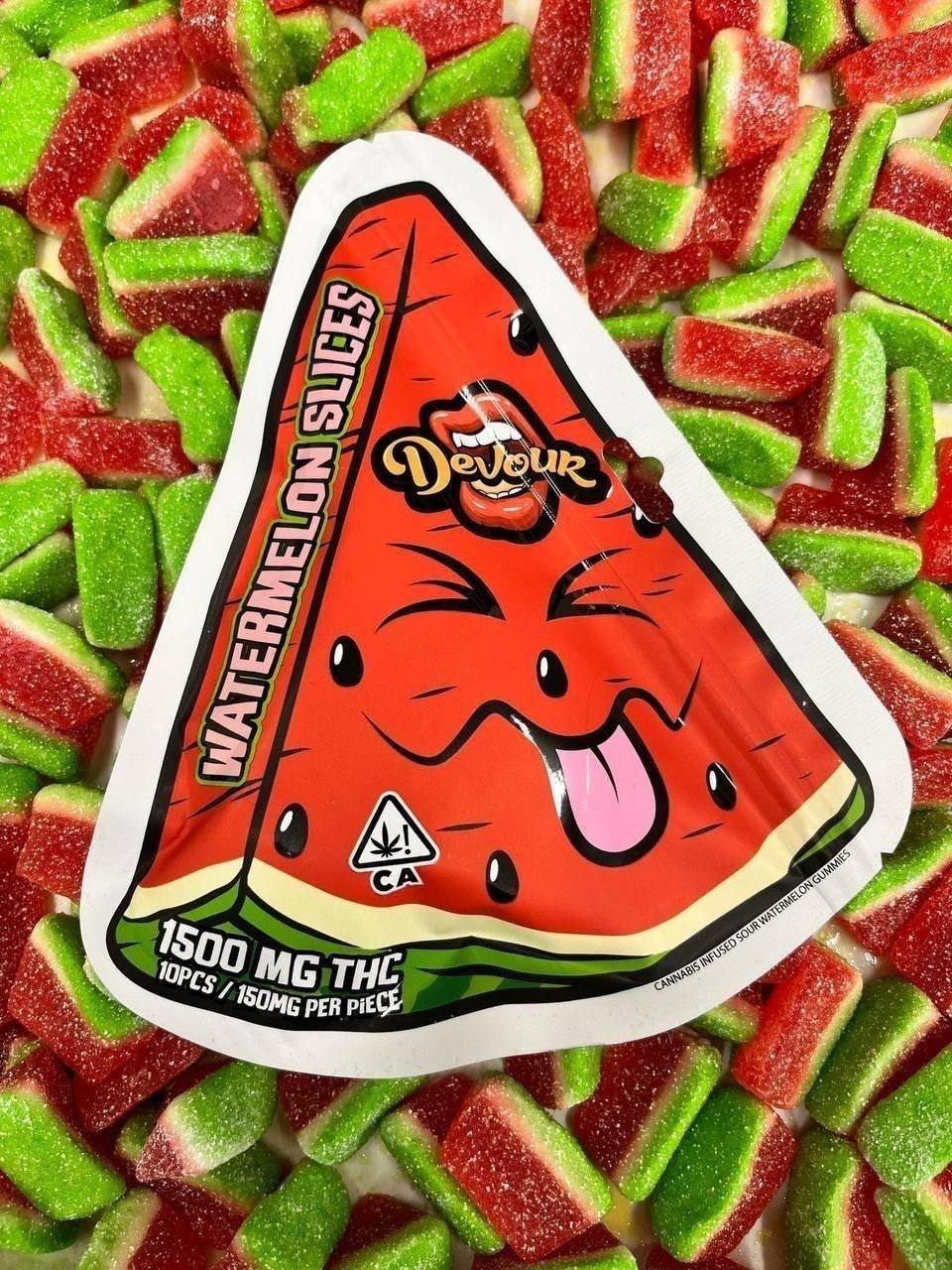
Suggested image alt text: “Cannabis edibles including gummies and other edible cannabis products”
Recommended Internal Links
When publishing this article, consider linking to related pages on your website:
- Cannabis — your main pillar article
- Cannabis Gummies — detailed guide to gummies
- THC — guide to tetrahydrocannabinol
- CBD — guide to cannabidiol
- CBD Gummies — information about CBD gummies
- Cannabis Strains — guide to cannabis varieties
- Cannabis Flower — guide to cannabis flower
- Medical Cannabis — educational guide to medical cannabis
- Cannabis Oil — guide to cannabis oils
- Cannabis Dispensary — guide to dispensaries
SEO Content Strategy
Use “cannabis edibles” as the main keyword for this page. Avoid creating multiple pages that target exactly the same keyword and search intent.
Instead, build a topical cluster:
Main pillar: Cannabis
→ Cannabis Edibles
→ Cannabis Gummies
→ CBD Gummies
→ Cannabis Oil
→ Cannabis Flower
→ THC
→ CBD
→ Cannabis Strains
→ Medical Cannabis
Each supporting article can link naturally to the others where relevant. This helps create a clear site structure while giving every page its own specific search intent.