

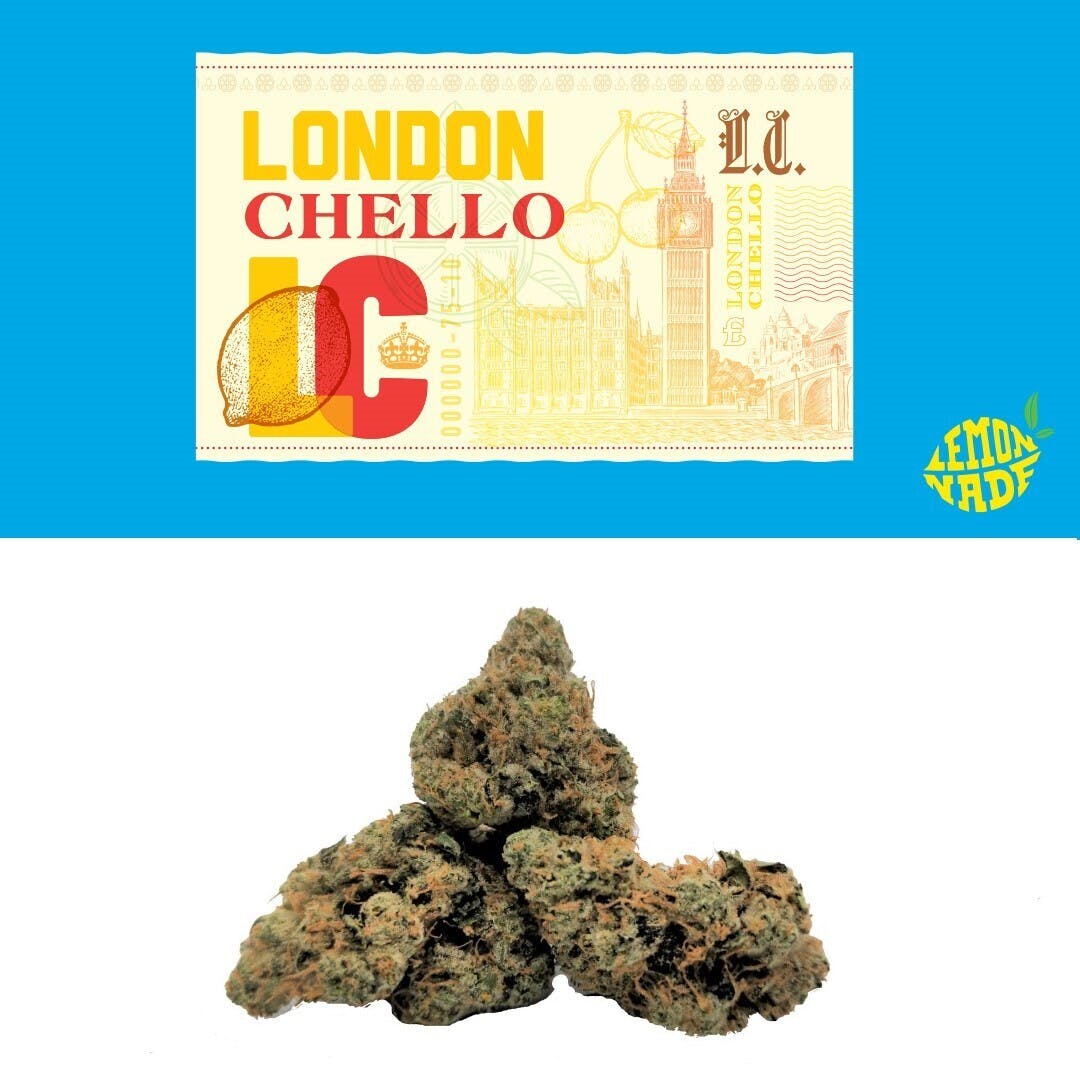
Marijuana is one of the most widely discussed cannabis-related topics in the world. Over the years, changes in public attitudes, medical research, and laws have increased interest in marijuana, cannabis products, THC, CBD, and different cannabis strains.
Whether you are researching marijuana for educational purposes, trying to understand the differences between marijuana and cannabis, or simply looking for reliable information about its effects and uses, understanding the basics can help you make informed decisions.
This guide explains what marijuana is, how it works, common types and products, the difference between THC and CBD, potential effects, medical applications, safety considerations, and important legal issues.
What Is Marijuana?
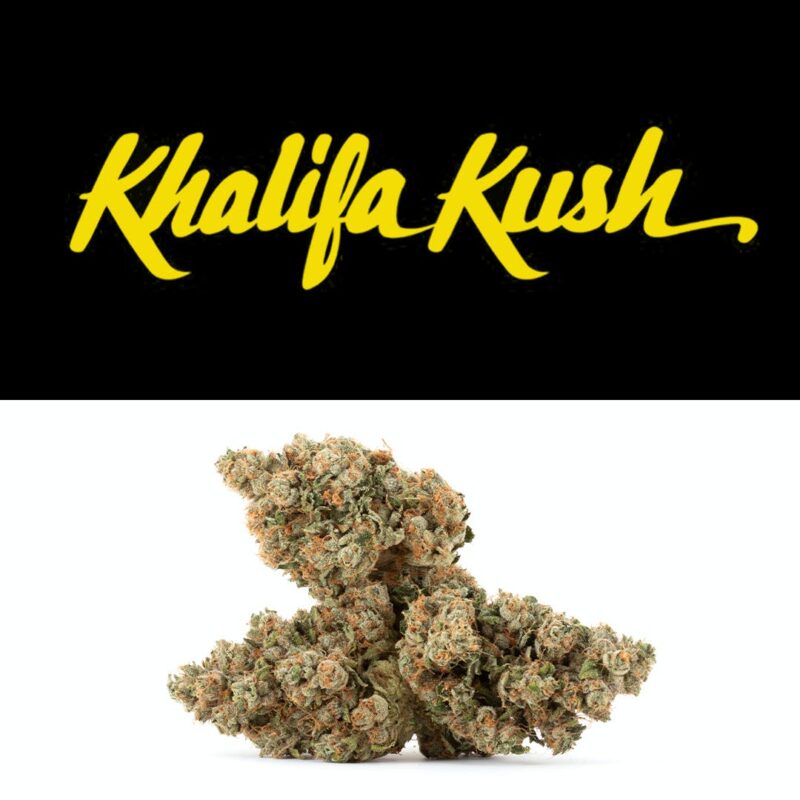
Marijuana is a term commonly used to describe cannabis plant material that contains cannabinoids, particularly tetrahydrocannabinol (THC), which is responsible for the plant’s intoxicating effects.
The cannabis plant contains many naturally occurring compounds called cannabinoids. The best-known cannabinoids are THC and cannabidiol (CBD).
THC interacts with the body’s endocannabinoid system and can produce changes in mood, perception, memory, coordination, and appetite. CBD, on the other hand, does not generally produce the same intoxicating effects associated with THC.
Marijuana can appear in several forms, including dried cannabis flower, concentrates, oils, edibles, and other processed cannabis products.
Because terminology differs between countries and communities, the word marijuana is sometimes used interchangeably with cannabis and weed. However, these terms can have different historical, legal, or cultural meanings.
Marijuana vs. Cannabis vs. Weed
People often use marijuana, cannabis, and weed as though they mean exactly the same thing. While they frequently refer to the same general subject, there are some differences in how the words are used.
Cannabis
Cannabis is the broader botanical term referring to the cannabis plant and products derived from it.
Cannabis may contain different cannabinoids, including THC and CBD, depending on the plant variety and product.
Marijuana
Marijuana commonly refers to cannabis products containing meaningful levels of THC that are used for their intoxicating effects.
The word has a complicated history and is increasingly replaced by the term cannabis in medical, scientific, and regulatory settings.
Weed
Weed is an informal term for cannabis. It is widely used in everyday conversation and online searches.
For example, someone might search for “weed strains” or “weed dispensary” when looking for information about cannabis.
Understanding these terms can also help website owners create better SEO content because users may search for different words even when they are looking for similar information.
What Makes Marijuana Produce Its Effects?
The main compound responsible for marijuana’s intoxicating effects is THC.
THC is short for tetrahydrocannabinol. It is a cannabinoid that interacts with cannabinoid receptors in the body’s endocannabinoid system.
The amount and type of cannabinoids in marijuana can influence the experience.
Other factors can also affect how someone responds, including:
- Individual biology
- Previous cannabis experience
- Product composition
- Method of consumption
- THC concentration
- Whether other substances are involved
- Individual tolerance
- Physical and mental state
This means that marijuana does not affect everyone in exactly the same way.
THC and CBD in Marijuana
THC and CBD are two of the most widely recognized cannabinoids in cannabis.
THC
THC is the primary intoxicating cannabinoid in marijuana.
Depending on the person and circumstances, THC may be associated with effects such as:
- Relaxation
- Changes in sensory perception
- Altered sense of time
- Increased appetite
- Drowsiness
- Impaired coordination
- Impaired short-term memory
Some people may also experience unpleasant effects, particularly with higher-THC products. These can include anxiety, paranoia, confusion, dizziness, or an increased heart rate.
CBD
CBD, or cannabidiol, is another major cannabinoid.
Unlike THC, CBD is not generally associated with a marijuana-like intoxicating high.
CBD is commonly found in oils, capsules, topical products, gummies, and other cannabis-derived products.
It is important to distinguish marketing claims from established medical evidence. People considering CBD or other cannabinoid products for a health condition should discuss their situation with a qualified healthcare professional.
Common Types of Marijuana Products
Modern cannabis markets include a wide variety of products. The form of marijuana can influence how quickly effects appear and how long they may last.
Marijuana Flower
Cannabis flower is the dried flowering portion of the cannabis plant.
It is one of the most recognizable forms of marijuana and is often discussed in relation to cannabis strains, cannabinoid content, and terpene profiles.
The chemical composition of flower can vary significantly from one product to another.

Cannabis Edibles
Cannabis edibles are foods or beverages containing cannabinoids.
Examples can include:
- Gummies
- Baked goods
- Chocolates
- Beverages
- Capsules
Edibles differ from inhaled cannabis because cannabinoids are processed through the digestive system.
One important consideration is that the effects of edible cannabis can take longer to become noticeable than inhaled cannabis. This can make it easier for inexperienced users to consume more than intended before the initial effects are felt.
Cannabis Oils
Cannabis oils can contain different combinations and concentrations of cannabinoids.
Some are rich in CBD, while others contain significant THC.
Because product formulations differ, consumers should pay attention to product labeling and applicable regulations.
Cannabis Concentrates
Concentrates are cannabis products containing relatively high concentrations of cannabinoids.
They can include several forms of extracted cannabis material.
Because concentrates can be much more potent than traditional flower, they present additional risks, particularly for inexperienced consumers.
Marijuana Strains
Cannabis is available in many varieties and cultivars. These are commonly marketed as different cannabis strains.
Traditional labels such as indica, sativa, and hybrid are frequently used in cannabis marketing.
However, these labels do not necessarily provide a complete scientific description of a product’s effects.
Two products carrying the same strain name can have different chemical compositions depending on genetics, cultivation, processing, storage, and other factors.
For a more meaningful understanding of a cannabis product, cannabinoid concentrations and terpene profiles can provide additional information.
Indica, Sativa, and Hybrid Marijuana
Indica
Indica is traditionally associated with cannabis plants that tend to have shorter, bushier growth patterns.
In commercial cannabis markets, indica products are sometimes marketed as relaxing or calming.
However, the effects of an individual product cannot be reliably predicted from the indica label alone.
Sativa
Sativa traditionally describes cannabis plants that tend to have taller growth characteristics.
Sativa products are sometimes marketed as more energizing or uplifting.
Again, individual experiences can vary considerably.
Hybrid
Hybrid cannabis products are generally described as combinations of characteristics associated with indica and sativa varieties.
Many modern cannabis products fall under the broad hybrid category.
The actual chemical profile of a product is more useful for understanding its potential effects than relying solely on these traditional labels.
Potential Effects of Marijuana
The effects of marijuana can vary significantly between individuals.
Some people report feelings of relaxation or euphoria, while others may experience changes in perception or increased appetite.
Potential short-term effects can include:
- Altered perception
- Relaxation
- Euphoria
- Increased appetite
- Drowsiness
- Reduced attention
- Slower reaction time
- Impaired coordination
- Short-term memory difficulties
Unwanted effects can also occur.
These may include:
- Anxiety
- Paranoia
- Confusion
- Dizziness
- Nausea
- Increased heart rate
- Impaired judgment
The likelihood and intensity of these effects can depend on THC concentration, consumption method, individual sensitivity, and other factors.
Marijuana and Medical Cannabis
Medical cannabis refers to cannabis or cannabinoid products used within a medical context where permitted by local regulations.
Researchers have investigated cannabinoids for a range of potential therapeutic applications. Some cannabinoid-based medicines have established medical uses, while evidence for other proposed uses remains limited or developing.
Medical cannabis should not be viewed as a universal treatment.
Anyone considering cannabis for a medical condition should speak with a healthcare professional, particularly if they take prescription medications or have an existing medical condition.
Healthcare professionals can help evaluate potential benefits, risks, drug interactions, and alternatives.
Marijuana and Mental Health
The relationship between marijuana and mental health is an important area of research.
Some individuals may experience temporary anxiety, panic, paranoia, or confusion after using THC-containing cannabis.
Frequent or heavy cannabis use may also be associated with a greater risk of problematic use and other adverse outcomes in some people.
People with a personal or family history of certain psychiatric conditions may need to be especially cautious about THC-containing products.
If marijuana use is affecting someone’s daily responsibilities, relationships, education, employment, or wellbeing, professional support may be appropriate.
Marijuana and Driving
Driving after using marijuana can be dangerous.
THC can affect reaction time, attention, coordination, perception, and decision-making. These abilities are important for safe driving.
A person who has consumed marijuana should not assume that they are safe to drive simply because they do not feel strongly intoxicated.
Driving under the influence of cannabis can also have serious legal consequences depending on the jurisdiction.
Is Marijuana Addictive?
Cannabis can lead to cannabis use disorder in some people.
Cannabis use disorder refers to problematic cannabis use that causes significant difficulties or distress.
Signs may include:
- Difficulty controlling use
- Continuing to use cannabis despite negative consequences
- Spending significant time obtaining or using cannabis
- Strong cravings
- Giving up important activities because of cannabis use
- Difficulty stopping or reducing use
Not everyone who uses marijuana develops a cannabis use disorder, but the possibility should be taken seriously.
People who believe their cannabis use has become difficult to control can seek support from a healthcare professional or qualified addiction service.
Marijuana Safety
Understanding safety is an important part of responsible cannabis education.
People should be particularly cautious about:
- Driving after cannabis use
- Combining cannabis with alcohol or other intoxicating substances
- Using unknown or poorly labeled products
- Keeping cannabis products where children can access them
- Assuming that a product will affect everyone in the same way
- Using cannabis during pregnancy without medical guidance
Edible cannabis products require particular care because their effects can take longer to appear than those of inhaled cannabis.
Cannabis products should also be stored securely and according to applicable safety recommendations.
Marijuana and Legal Regulations
The legal status of marijuana differs substantially around the world.
Some countries permit cannabis for specific medical purposes. Others allow regulated adult use, while some jurisdictions prohibit cannabis possession and use.
Even where cannabis is legal at a national level, restrictions may apply at the state, provincial, regional, or municipal level.
Laws can also distinguish between:
- Medical cannabis
- Adult-use cannabis
- THC-containing products
- CBD products
- Cannabis cultivation
- Cannabis possession
- Cannabis transportation
- Cannabis sales
Before purchasing, possessing, transporting, or using cannabis, people should check the laws that apply where they live.
How to Choose Reliable Marijuana Information
The internet contains a large amount of information about marijuana, but not all of it is accurate.
When researching marijuana, look for information from credible sources such as:
- Government health agencies
- Universities
- Medical institutions
- Peer-reviewed scientific research
- Qualified healthcare professionals
- Recognized public health organizations
Be cautious of websites that promise that marijuana or CBD can cure numerous unrelated diseases.
Good cannabis education should distinguish between established evidence, early research, personal experiences, and marketing claims.
Frequently Asked Questions About Marijuana
What is marijuana?
Marijuana is a common term for cannabis plant material and products containing cannabinoids, especially THC. The term is often used when discussing cannabis products that can produce intoxicating effects.
Is marijuana the same as cannabis?
The terms are often used interchangeably, but cannabis is the broader botanical term. Marijuana is commonly used to describe THC-containing cannabis products.
What is the difference between marijuana and weed?
In everyday language, marijuana and weed generally refer to cannabis. “Weed” is an informal term, while marijuana is a more established common term.
Does marijuana contain THC?
Many marijuana products contain THC. THC is the cannabinoid primarily responsible for the intoxicating effects associated with cannabis.
Does CBD get you high?
CBD is not generally associated with the intoxicating high produced by THC. However, product formulations can vary, so consumers should check labels carefully.
What are marijuana strains?
Marijuana strains are commonly marketed varieties or cultivars of cannabis. They can differ in genetics and chemical composition, including cannabinoid and terpene profiles.
Are marijuana edibles different from cannabis flower?
Yes. Edibles contain cannabinoids in food or beverages, while cannabis flower consists of dried cannabis plant material. The body processes cannabinoids differently depending on the method of consumption.
Is marijuana legal?
The answer depends on where you live. Cannabis laws vary significantly between countries and regions and can change over time.
Final Thoughts on Marijuana
Marijuana is a complex subject that involves botany, cannabinoids, health, culture, medicine, commerce, and law.
Understanding the difference between marijuana, cannabis, and weed is a useful starting point. It is also important to understand the roles of THC and CBD, the differences between cannabis products, and the potential effects and risks associated with cannabis use.
No single marijuana product affects everyone in exactly the same way. Product composition, THC concentration, consumption method, individual biology, and other factors can all influence the experience.
For medical questions, professional healthcare advice is more reliable than online claims. For legal questions, consult current laws and regulations in your jurisdiction.
As cannabis policies and scientific research continue to develop, staying informed through credible sources is one of the best ways to understand marijuana responsibly.
SEO Optimization Details
Primary Keyword:
Marijuana
Secondary Keywords:
- marijuana effects
- marijuana strains
- marijuana products
- marijuana flower
- marijuana edibles
- marijuana and cannabis
- THC
- CBD
- cannabis
- weed
- medical cannabis
- cannabis strains
- cannabis flower
- cannabis edibles
- cannabis safety
Suggested SEO Title:
Marijuana: Complete Guide to Cannabis, Effects, Types & Safety
Suggested Meta Description:
Learn about marijuana, including cannabis types, THC and CBD, effects, products, medical cannabis, safety, and important legal considerations.
Suggested URL Slug:/marijuana/
Recommended H1:
Marijuana: A Complete Guide to Cannabis, Effects, Uses, Types, THC, CBD, and Safety
Suggested Image Alt Text:
- Marijuana cannabis plant
- Marijuana flower and cannabis leaves
- Different marijuana cannabis products
- THC and CBD cannabis guide
Internal Linking Strategy
For a cannabis website, this article can act as a major topical page and link naturally to related articles such as:
- Cannabis — broad pillar page explaining cannabis.
- Weed — explain the informal terminology and common searches.
- THC — detailed guide to tetrahydrocannabinol.
- CBD — explain cannabidiol and how it differs from THC.
- Cannabis Strains — detailed guide to varieties and cannabinoid profiles.
- Cannabis Flower — guide to dried cannabis flower.
- Cannabis Edibles — guide to edible cannabis products.
- Cannabis Gummies — detailed information about cannabis gummies.
- Medical Cannabis — educational guide to medical cannabis.
- Indica vs. Sativa — explanation of traditional cannabis classifications.
Recommended Topic Cluster
A strong cannabis SEO structure could look like:
Cannabis
→ Marijuana
→ Weed
→ THC
→ CBD
→ Cannabis Strains
→ Weed Strains
→ Cannabis Flower
→ Cannabis Edibles
→ Cannabis Gummies
→ Medical Cannabis
→ Indica vs. Sativa
→ Cannabis Seeds
This structure allows the website to build topical authority around the broader cannabis subject while creating individual pages that target specific search intents.
SEO Best Practices
To optimize this article for search engines:
- Use marijuana naturally throughout the article.
- Avoid excessive keyword stuffing.
- Include related cannabis terminology naturally.
- Add internal links to relevant cannabis pages.
- Use descriptive image alt text.
- Create a short, compelling meta description.
- Use clear H2 and H3 headings.
- Make the page mobile-friendly.
- Improve page loading speed.
- Add authoritative external references where appropriate.
- Keep medical and legal information updated.
- Use FAQ structured data only when it complies with current search-engine guidelines.
- Update the article when important cannabis laws or scientific information changes.
Most importantly, focus on satisfying the reader’s search intent rather than repeating the keyword unnecessarily.