
Primary keyword: cannabis
Suggested SEO title: Cannabis: Complete Guide to Types, Uses, Effects, CBD, THC & More
Suggested meta description: Learn about cannabis, including its types, THC and CBD, cannabis strains, medical cannabis, cannabis products, potential effects, and important considerations.
Suggested URL slug: /cannabis-guide/
Introduction
Cannabis is one of the world’s most widely discussed plants, with a long history of cultivation, traditional use, medicine, research, and changing legal policies. Today, interest in cannabis continues to grow as more countries examine its medical applications, regulate cannabis products, and conduct research into cannabinoids such as THC and CBD.
For consumers, researchers, entrepreneurs, and people simply looking for reliable information, understanding cannabis can be complicated. The terms used to describe cannabis products are often confusing, while laws and regulations can differ considerably from one location to another.
This guide provides a comprehensive introduction to cannabis, including what it is, the major cannabinoids found in the plant, different cannabis strains, the difference between THC and CBD, common cannabis products, potential effects, medical cannabis, and important considerations for responsible use.
Because cannabis laws vary by country and region, anyone considering cannabis should check the laws that apply to their location and consult an appropriate healthcare professional when medical advice is needed.
What Is Cannabis?
Cannabis is a genus of flowering plants that has been cultivated by humans for centuries. The plant contains naturally occurring chemical compounds called cannabinoids, along with aromatic compounds known as terpenes and other plant constituents.
The two cannabinoids most commonly discussed are tetrahydrocannabinol (THC) and cannabidiol (CBD).
THC is primarily associated with the intoxicating effects of cannabis. CBD, on the other hand, is not considered intoxicating in the same way as THC. Both compounds have become major subjects of scientific research.
Cannabis can be processed into a variety of products, including dried flower, oils, extracts, edibles, and other preparations. The chemical composition of these products can vary substantially.
This is one reason why the word “cannabis” does not describe one single experience or product. Different varieties, preparations, cannabinoid concentrations, and methods of consumption can produce very different results.
Cannabis, Marijuana, and Weed: What’s the Difference?
The terms cannabis, marijuana, and weed are often used interchangeably, but their meanings can depend on context and location.
Cannabis is the broader botanical term for plants in the Cannabis genus.
Marijuana has historically been used in many places to describe cannabis products containing significant amounts of THC, although terminology varies and the word itself has a complicated history.
Weed is an informal term commonly used to refer to cannabis, particularly cannabis used recreationally.
When creating educational content, “cannabis” is generally a useful broad term because it can cover the plant, its cannabinoids, and its many preparations without assuming a particular product or purpose.
Understanding THC and CBD
Two of the most important terms anyone researching cannabis will encounter are THC and CBD.
What Is THC?
THC, or tetrahydrocannabinol, is a cannabinoid known for producing intoxicating effects. Depending on factors such as dose, individual sensitivity, product composition, and method of consumption, THC can affect perception, mood, coordination, attention, and memory.
Cannabis products containing THC can therefore affect people differently.
THC is also an important subject of medical research, and cannabis-based medicines containing cannabinoids may be used for specific medical purposes in jurisdictions where they are approved.
What Is CBD?
CBD, or cannabidiol, is another major cannabinoid found in cannabis and related plants.
Unlike THC, CBD is not generally associated with the same intoxicating effects. CBD products are available in numerous forms, including oils, capsules, creams, and gummies.
However, “non-intoxicating” does not mean that every CBD product is automatically appropriate or risk-free. Product quality, concentration, additional ingredients, medication interactions, and local regulations are important considerations.
People taking medications or managing a health condition should speak with a qualified healthcare professional before using CBD products.
Cannabis Strains and Varieties
One of the most popular topics among cannabis consumers is cannabis strains.
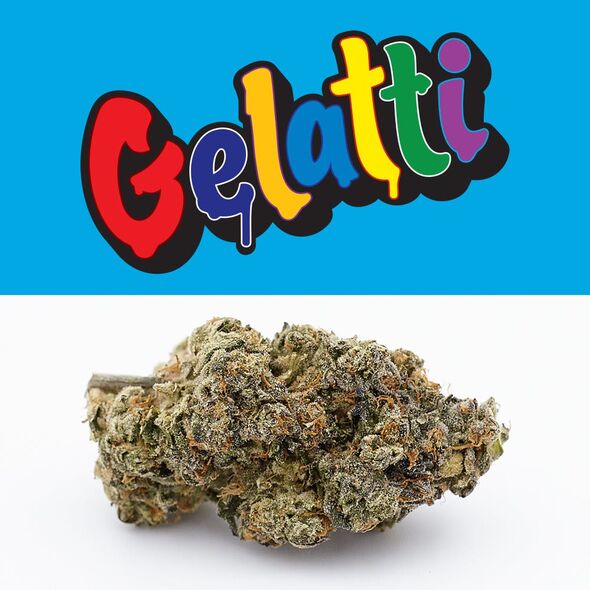
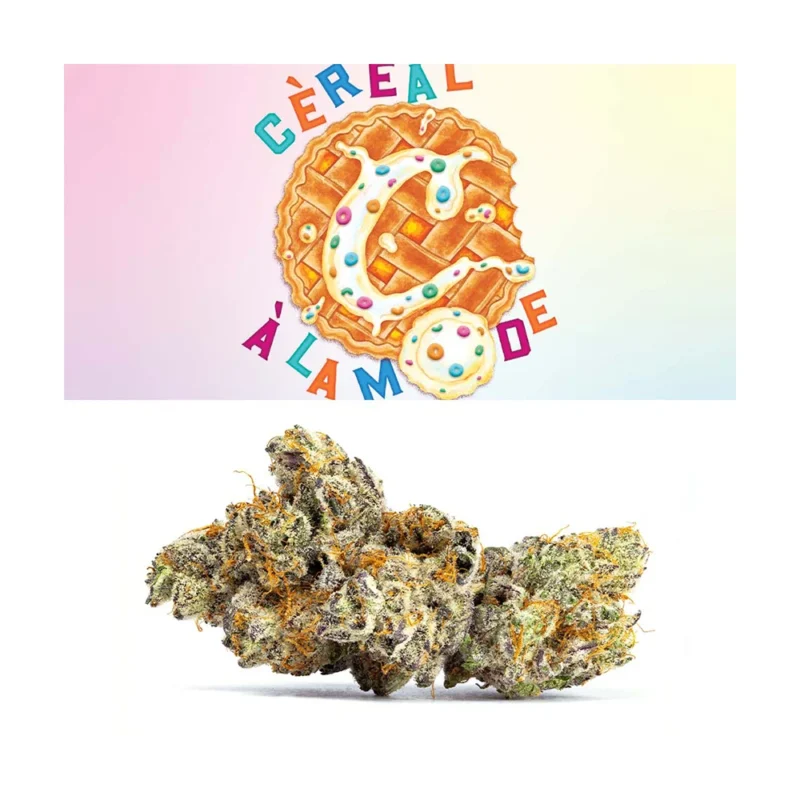
Cannabis products are often marketed using strain or cultivar names that are intended to communicate differences in aroma, appearance, cannabinoid content, and expected characteristics.
Traditionally, cannabis has commonly been described using categories such as:
- Indica
- Sativa
- Hybrid
However, these labels do not always provide a complete scientific description of a particular cannabis product.
Two products marketed under the same category can have substantially different cannabinoid and terpene profiles. For consumers who want to understand a product more accurately, laboratory testing and detailed product information can be more useful than relying solely on labels such as “indica” or “sativa.”
Indica vs. Sativa
The phrase indica vs sativa is extremely common in cannabis searches.
Historically, the terms have been used to describe different types of cannabis plants and have become associated with particular effects. Indica is often marketed as relaxing, while sativa is frequently marketed as energizing.
However, the relationship between these labels and actual effects is more complicated than many popular descriptions suggest.
The chemical profile of a product, including its cannabinoids and terpenes, can be more informative when evaluating its characteristics.
Consumers should therefore avoid assuming that every product labeled indica will produce exactly the same effects or that every sativa product will produce the opposite experience.
Common Cannabis Products
The cannabis industry includes many different product categories. Availability depends on local laws and regulations.

Cannabis Flower
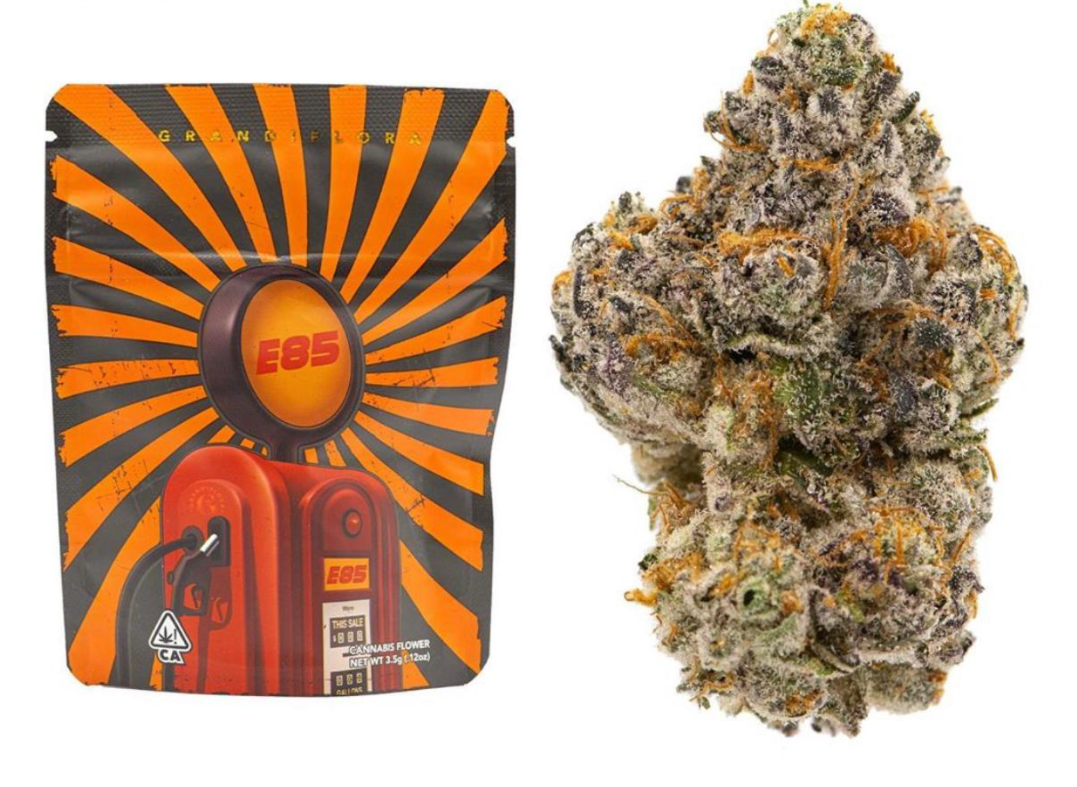
Cannabis flower refers to the dried flowering portions of the cannabis plant. It is one of the most recognizable forms of cannabis.
Flower can differ in:
- Cannabinoid concentration
- Aroma
- Terpene profile
- Appearance
- Texture
- Cultivar
- Production methods
Product testing and labeling can help consumers understand what they are purchasing.
Cannabis Oil
Cannabis oil is a broad term that can refer to different types of oil-based cannabis preparations.
The composition of cannabis oils varies. Some contain THC, some contain CBD, and others contain combinations of cannabinoids.
Because the term “cannabis oil” can describe different products, consumers should examine the product’s ingredients and cannabinoid information rather than assuming that every cannabis oil is the same.
Cannabis Edibles
Cannabis edibles are products containing cannabinoids that are consumed rather than inhaled.
Examples can include foods and beverages formulated with cannabinoids.
Edibles differ from inhaled cannabis because cannabinoids are processed through the digestive system. Effects may take longer to become noticeable and can last longer.
This delay is an important reason consumers should carefully follow product instructions and avoid assuming that a lack of immediate effects means more should be consumed.
Cannabis Gummies
Cannabis gummies are a popular type of edible product.
They are typically manufactured with a measured amount of cannabinoids per serving. Depending on the jurisdiction, regulations may establish requirements for packaging, labeling, testing, and serving sizes.
Consumers should pay attention to the amount of THC or CBD per serving and per package.
Products that look like ordinary candy should also be stored securely and away from children and pets.
CBD Gummies
CBD gummies are edible products formulated with cannabidiol.
They are commonly marketed for general wellness purposes, although marketing claims should be evaluated carefully. CBD products can vary in quality and concentration, and some products may contain additional cannabinoids.
Anyone using CBD alongside prescription or over-the-counter medications should discuss potential interactions with a healthcare professional.
Medical Cannabis
Medical cannabis refers to the use of cannabis or cannabis-derived cannabinoid products for medical purposes under the laws and medical regulations of a particular jurisdiction.
Research into cannabinoids has investigated their potential role in several areas of medicine. Some cannabis-based medicines have been authorized for specific conditions, while other uses remain under investigation.
It is important to distinguish between evidence-supported medical applications and general claims made in advertising or online discussions.
A person considering cannabis for a medical condition should not automatically replace an established treatment with cannabis. Instead, they should discuss the decision with a qualified healthcare provider.
Medical cannabis programs also differ from one country or region to another. Some jurisdictions permit specific cannabinoid medicines, while others have broader medical cannabis frameworks.
Potential Effects of Cannabis
The effects of cannabis can vary considerably from one person to another.
Factors that can influence the experience include:
- THC concentration
- CBD concentration
- Amount consumed
- Method of consumption
- Individual sensitivity
- Previous cannabis experience
- Other substances or medications
- Age
- Physical and mental health
- Product composition
THC-containing cannabis can produce effects such as altered perception, relaxation, changes in time perception, impaired coordination, and changes in attention or memory.
Some people may also experience unwanted effects such as anxiety, dizziness, confusion, nausea, or increased heart rate.
Because individual responses vary, it is not appropriate to assume that a particular cannabis product will affect everyone in the same way.
Cannabis and Responsible Decision-Making
Responsible decision-making is particularly important because cannabis products can differ significantly in potency and composition.
People should understand what product they are considering, read the available labeling, and be aware of applicable laws.
Driving or operating machinery after using an intoxicating cannabis product can be dangerous because THC may impair coordination, reaction time, judgment, and attention.
Cannabis should also be kept securely away from children and pets.
If someone experiences severe or concerning symptoms after consuming a cannabis product, seeking appropriate medical assistance is important.
Cannabis and Legal Considerations
Cannabis laws are changing in different parts of the world, but there is no single global cannabis law.
Some jurisdictions permit medical cannabis, some permit adult recreational cannabis under regulated systems, some permit only specific cannabinoid products, and others prohibit cannabis possession or use.
Even within the same country, regulations can vary between regions.
Before purchasing, possessing, cultivating, transporting, or consuming cannabis, people should verify the current laws where they live.
This is particularly important when traveling. A product that is legal in one jurisdiction may be illegal to possess or transport somewhere else.
Cannabis Cultivation and Cannabis Seeds
Another major area of interest is cannabis seeds and cultivation.
Cannabis cultivation laws vary substantially. Some jurisdictions permit adults to grow a limited number of plants under specific conditions, while others prohibit cultivation completely.
Where cultivation is legally permitted, growers may encounter terms such as:
- Photoperiod
- Autoflowering
- Feminized seeds
- Regular seeds
- Cultivar
- Germination
- Vegetative growth
- Flowering
Anyone considering cultivation should research the laws applicable to their location before purchasing seeds or beginning a grow.
Cannabis and Terpenes
Cannabis contains aromatic compounds known as terpenes.
Terpenes occur naturally in many plants and contribute to aroma and flavor. In cannabis, commonly discussed terpenes include myrcene, limonene, pinene, and caryophyllene.
The terpene profile of a cannabis cultivar can contribute to its distinctive smell and taste.
This is another reason cannabis products can differ even when they contain similar amounts of THC or CBD.
The study of cannabinoids and terpenes continues to develop, and consumers should be cautious about treating marketing descriptions as established medical facts.
How Cannabis Products Are Tested
Testing can provide valuable information about a cannabis product.
Depending on local regulations, laboratory testing may examine factors such as:
- THC concentration
- CBD concentration
- Other cannabinoids
- Terpene profiles
- Contaminants
- Pesticides
- Heavy metals
- Microbial contamination
Testing requirements vary by jurisdiction.
For consumers, products with clear labeling and appropriate testing information can make it easier to understand what they are purchasing.
Cannabis and Product Quality
Product quality is an important consideration in the cannabis market.
A product’s appearance alone does not necessarily reveal its cannabinoid concentration or safety.
Consumers should look for legally required labeling and, where applicable, information about testing and manufacturing standards.
Be particularly cautious about products making dramatic medical claims or promising guaranteed results.
The cannabis market includes a wide variety of products, and quality can differ depending on the manufacturer, production method, storage conditions, and regulatory environment.
Frequently Asked Questions About Cannabis
What is cannabis?
Cannabis is a genus of flowering plants containing naturally occurring compounds called cannabinoids. THC and CBD are two of the best-known cannabinoids found in cannabis.
What is the difference between cannabis and marijuana?
Cannabis is the broader botanical term. Marijuana is a term historically used to describe certain cannabis products, although terminology varies by country and context.
What is THC?
THC, or tetrahydrocannabinol, is a cannabinoid associated with the intoxicating effects of cannabis.
What is CBD?
CBD, or cannabidiol, is a cannabinoid that is not generally intoxicating in the same way as THC.
What are cannabis strains?
Cannabis strains, more accurately described in many scientific contexts as cultivars or varieties, are different forms of cannabis that can have different genetic, chemical, aromatic, and physical characteristics.
What are cannabis edibles?
Cannabis edibles are food or beverage products containing cannabinoids. Their effects can take longer to appear than those of inhaled cannabis.
What are cannabis gummies?
Cannabis gummies are edible products formulated with cannabinoids such as THC or CBD.
What is medical cannabis?
Medical cannabis refers to cannabis or cannabinoid-based products used for medical purposes within a particular healthcare and legal framework.
Is cannabis legal everywhere?
No. Cannabis laws differ significantly between countries and regions. Always check the current regulations that apply to your location.
Can cannabis affect people differently?
Yes. Individual responses can vary depending on the product, cannabinoid concentration, amount used, personal sensitivity, health factors, and other substances or medications.
Final Thoughts
Cannabis is a complex plant with a long history and an expanding body of scientific research. Understanding the basics of cannabis, THC, CBD, cannabis strains, cannabis flower, oils, edibles, gummies, and medical cannabis can help people make more informed decisions.
One of the most important things to remember is that cannabis is not a single standardized product. Different varieties and preparations can have very different chemical compositions and effects.
Consumers should consider product labeling, testing information, local regulations, and individual circumstances. Medical decisions should be discussed with qualified healthcare professionals rather than based solely on online claims.
As research and regulations continue to evolve, reliable and evidence-based information will remain important for anyone interested in cannabis.
SEO Optimization Notes
Primary keyword: cannabis
Secondary keywords used naturally:
- weed
- marijuana
- cannabis dispensary
- CBD
- CBD oil
- cannabis oil
- cannabis gummies
- cannabis edibles
- cannabis flower
- cannabis strains
- weed strains
- indica vs sativa
- cannabis seeds
- medical cannabis
- THC
- CBD gummies
Recommended focus: Keep “cannabis” as the primary keyword rather than repeatedly forcing every secondary keyword into the article. This creates a more natural reading experience and reduces the risk of keyword stuffing.
Suggested SEO title: Cannabis: Complete Guide to Types, Uses, Effects, CBD, THC & More
Suggested meta description: Learn about cannabis, including its types, THC and CBD, cannabis strains, medical cannabis, cannabis products, potential effects, and important considerations.
Suggested URL: /cannabis-guide/
Suggested image alt text: “Cannabis plant and cannabis flower guide”
Suggested internal links: Consider linking this article to future pages covering:
- Cannabis strains
- CBD oil
- THC
- Medical cannabis
- Cannabis edibles
- Cannabis dispensaries
- Indica vs sativa
- Cannabis seeds
- CBD gummies
Content strategy: This article should function as your broad pillar page for the keyword “cannabis.” Individual supporting articles can target the more specific keywords above and link back to this page. This creates a topical-cluster structure that can help search engines understand the overall subject of your website.