
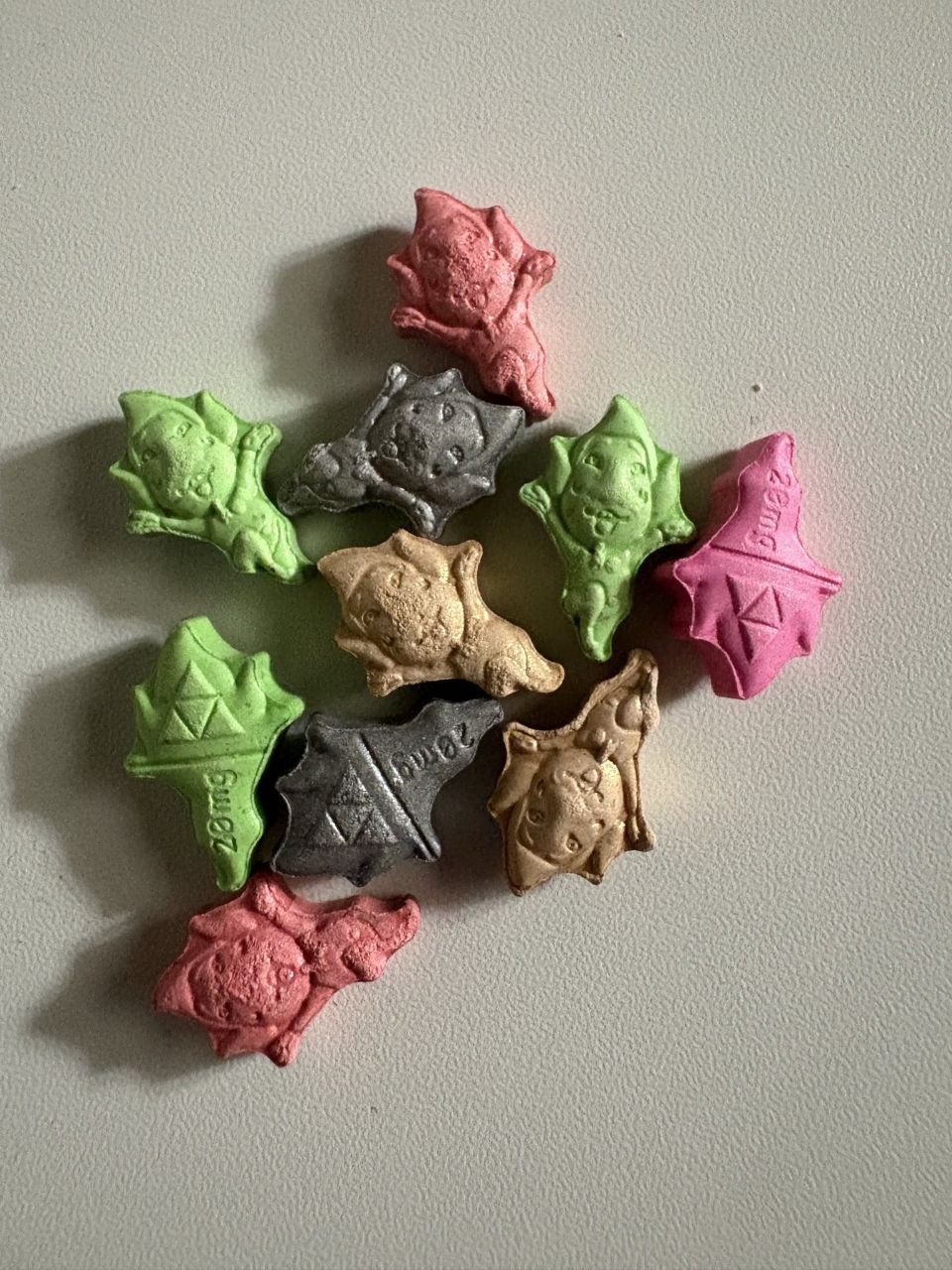
Cannabis has evolved far beyond traditional flower. Today, consumers in legal markets can find a wide variety of cannabis products, including beverages, tinctures, concentrates, capsules, and one of the most recognizable categories of all: cannabis edibles.
From colorful THC gummies and chocolate to baked goods and other infused edibles, cannabis-infused products have become an important part of the modern cannabis market.
But edibles are different from cannabis flower in several important ways.
The way cannabinoids are processed by the body, the time it can take to notice effects, the duration of effects, serving sizes, product labeling, and storage considerations can all differ.
For anyone exploring legal cannabis products, understanding these differences is essential.
At Dope Bliss, we believe that cannabis education should come before product selection. Understanding what you’re buying, how products are labeled, how cannabinoids work, and why edibles can feel different from inhaled cannabis can help consumers make more informed decisions.
This complete Cannabis Edibles Guide explores the basics of edibles, how THC gummies work, what infused edibles are, the differences between edibles and cannabis flower, cannabinoids, product labels, ingredients, serving sizes, storage, purchasing considerations, and responsible use.
Whether you’re completely new to edibles or simply want to understand the category better, this guide will give you a solid foundation.
What Are Cannabis Edibles?
Cannabis edibles are food or beverage products that contain cannabinoids derived from cannabis.
Instead of inhaling cannabis, consumers consume the cannabinoids through an edible product.
Examples can include:
- THC gummies
- Cannabis chocolates
- Infused beverages
- Baked goods
- Hard candies
- Chews
- Capsules
- Other legally manufactured infused foods
The exact products available depend on the laws and regulations in a particular jurisdiction.
Cannabis edibles are popular partly because they offer an alternative to inhaled cannabis.
They also provide an opportunity to combine cannabis with familiar food and beverage formats.
However, consuming cannabinoids orally is different from inhaling them, so consumers should understand the differences before choosing an edible product.
Why Are Cannabis Edibles So Popular?
There are several reasons cannabis edibles have become increasingly popular in legal markets.
Convenient Format
Many edibles are packaged as individual servings or clearly divided portions, making them easy to understand when the product is properly labeled.
Variety
The category includes numerous formats and flavors.
Consumers may find products ranging from fruit-flavored THC gummies to chocolates, beverages, and other infused edibles.
No Smoke
Edibles don’t require combustion or inhalation.
For consumers who don’t want to inhale cannabis, this can be an important consideration.
Discreet Product Formats
Some edible products look similar to ordinary foods or candies.
However, cannabis products should always remain clearly identifiable and securely stored rather than being mistaken for ordinary food.
Long-Lasting Experience
Orally consumed cannabinoids can have effects that last longer than inhaled cannabis for many people.
This difference is one of the most important things to understand before trying an edible.
How Do Cannabis Edibles Work?
When cannabis is inhaled, cannabinoids enter the bloodstream through the lungs.
With an edible, cannabinoids pass through the digestive system and are processed by the body before entering circulation.
This difference can influence:
- Onset
- Intensity
- Duration
- Individual experience
THC is metabolized in the body after oral consumption, producing metabolites that can contribute to the overall experience.
This is one reason an edible can feel different from inhaled cannabis even when the labeled THC amount appears similar.
Why Do Edibles Feel Different From Cannabis Flower?
One of the biggest differences between edibles and cannabis flower is the route of administration.
With inhaled cannabis, effects can generally become noticeable relatively quickly.
With edible products, there can be a considerable delay before effects become noticeable.
This creates an important consumer consideration:
You may not immediately know how strongly an edible will affect you.
For that reason, people should not assume that an edible is ineffective simply because effects aren’t immediately noticeable.
Following the product label and local regulations is important.
What Are THC Gummies?
THC gummies are edible cannabis products made by incorporating THC into a gummy or chewable format.
They have become one of the most recognizable cannabis edible products in legal markets.
THC gummies may come in various:
- Flavors
- Shapes
- Serving sizes
- Cannabinoid ratios
- Potency levels
- Formulations
Some products contain THC alone, while others may combine THC with CBD or other cannabinoids.
The exact formulation depends on the manufacturer and applicable regulations.
Why Are THC Gummies So Popular?
THC gummies combine a familiar candy-like format with a cannabis formulation.
Their popularity is partly due to their:
- Convenient size
- Variety of flavors
- Consistent labeling in regulated markets
- Easy-to-understand format
- Portability
- Lack of smoke or vapor
However, their familiar appearance is also a reason they should be stored carefully.
Cannabis gummies are not ordinary candy.
They should remain in their original packaging and be kept securely away from children, pets, and anyone who should not consume them.
What Are Infused Edibles?
The term infused edibles generally refers to foods or beverages that have been infused with cannabis-derived cannabinoids.
This is a broad category.
It can include:
- Gummies
- Chocolates
- Baked products
- Candies
- Beverages
- Chews
- Other regulated cannabis food products
The word “infused” simply describes the incorporation of cannabinoids into another product.
Different manufacturers can use different formulations and ingredients.
THC vs. CBD in Cannabis Edibles
THC and CBD are two of the best-known cannabinoids in cannabis.
Understanding the difference is important when reading edible labels.
THC
THC, or tetrahydrocannabinol, is the primary cannabinoid associated with cannabis’s intoxicating effects.
Edibles containing THC can therefore produce an intoxicating experience.
CBD
CBD, or cannabidiol, is another major cannabinoid.
CBD does not produce the same intoxicating effects associated with THC.
Some edible products contain CBD alone, while others combine THC and CBD.
The exact cannabinoid profile should be checked on the product label.
What Does THC Percentage Mean in an Edible?
Edibles are often labeled differently from cannabis flower.
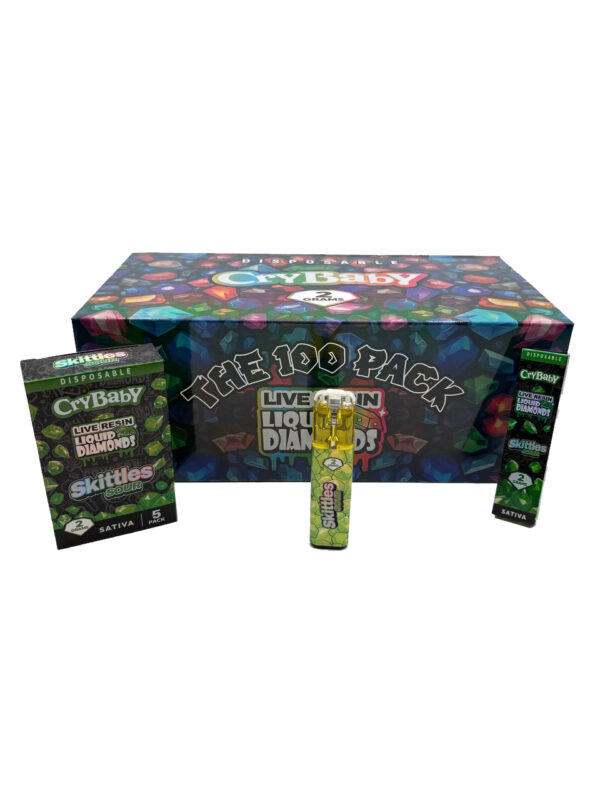
Instead of focusing only on a percentage, edible packaging commonly provides information about the amount of THC in the individual serving and/or the entire package.
For example, a package may specify:
- THC per serving
- Total THC per package
- CBD per serving
- Total CBD per package
The exact labeling requirements depend on local regulations.
This is why reading the complete label is more useful than simply looking for a THC percentage.
Serving Size vs. Total Package Amount
This is one of the most important concepts to understand when purchasing cannabis edibles.
A package can contain multiple servings.
For example, an edible package might contain several gummies, with each gummy representing a separate labeled serving.
The total THC in the package is therefore different from the THC amount in one serving.
Always check both figures when available.
Understanding this distinction helps prevent accidentally consuming more THC than intended.
Why Edible Labels Matter
A regulated cannabis product label can provide valuable information.
Depending on the jurisdiction and product, packaging may include:
- Product name
- THC amount
- CBD amount
- Serving size
- Total package cannabinoid content
- Ingredients
- Allergen information
- Manufacturing information
- Batch information
- Testing information
- Expiration or best-before information
- Storage instructions
- Required warnings
Always read the packaging before consuming a cannabis edible.
Understanding the Cannabis Edible Experience
Everyone responds to cannabis differently.
Factors that can influence an individual’s experience include:
- Individual metabolism
- Body chemistry
- Previous cannabis exposure
- Whether food was recently consumed
- Product formulation
- THC concentration
- Other medications or substances
- Individual sensitivity
Because of this variation, there is no universal experience that applies to everyone.
This is particularly important for people who are new to cannabis.

Why Edibles Can Take Longer to Feel
The digestive process takes time.
Unlike inhaled cannabis, which reaches the bloodstream through the lungs, edible cannabinoids pass through the gastrointestinal system before being processed by the body.
As a result, effects may take significantly longer to become noticeable.
This delayed onset is one of the most important differences between edible and inhaled cannabis.
Consumers should follow the product’s directions and applicable legal guidance rather than assuming they need more because effects aren’t immediately apparent.
Why Patience Matters With Cannabis Edibles
A common mistake with edibles is impatience.
Someone consumes a product and doesn’t notice anything immediately.
They then assume it isn’t working and consume more.
Because oral cannabis can have a delayed onset, this can result in unexpectedly strong effects later.
This is why understanding the product label and allowing sufficient time before making decisions about additional consumption is important.
If you’re inexperienced with cannabis, consult the product label and follow local guidance rather than guessing.
How Long Can Cannabis Edibles Last?
Edible effects can last considerably longer than the effects of inhaled cannabis for some people.
The exact duration varies significantly depending on:
- Product
- THC amount
- Individual metabolism
- Food intake
- Tolerance
- Body chemistry
- Other factors
Consumers should therefore avoid assuming that an edible will behave like a cannabis flower product.
Planning ahead is particularly important.
Cannabis Edibles vs. Cannabis Flower
Cannabis flower and edibles are very different product formats.
Cannabis Flower
Cannabis flower is inhaled after being heated appropriately.
Characteristics include:
- Rapid onset compared with edibles
- Shorter overall duration for many users
- Terpene-rich aroma
- Many cultivar options
- Direct interaction with the flower’s natural profile
Cannabis Edibles
Edibles are consumed orally.
Characteristics include:
- Delayed onset
- Potentially longer-lasting effects
- Food-based formats
- No inhalation
- Precise labeling in regulated markets
Neither category is universally better.
They simply provide different ways of consuming cannabis.
Cannabis Edibles vs. THC Gummies
THC gummies are a type of cannabis edible.
Think of the relationship like this:
Cannabis Edibles = The broader category
THC Gummies = One specific type of edible
Other cannabis edibles may include chocolates, beverages, baked products, and candies.
This distinction is useful when searching for cannabis products online or researching different product categories.
Types of Cannabis Edibles
The edible market continues to evolve.
Depending on local laws, consumers may find:
THC Gummies
One of the most popular edible formats.
Cannabis Chocolates
Chocolate products infused with cannabinoids.
Infused Beverages
Drinks containing cannabis-derived cannabinoids.
Baked Edibles
Products such as cookies or brownies may be available in some regulated markets.
Hard Candies
Cannabinoid-infused hard candy products can be another format.
Chews
Chewable products may have textures similar to gummies but use different formulations.
Capsules
Capsules can provide an oral cannabinoid product without a traditional food format.
Product availability varies by jurisdiction.
Full-Spectrum vs. Isolated Cannabinoids
Cannabis products can be formulated using different cannabinoid preparations.
Some products may contain a broader range of compounds derived from cannabis.
Others may be formulated around isolated cannabinoids.
The product label and manufacturer information can provide more detail.
This distinction can be important for consumers interested in the overall chemical composition of their edible.
What Are Terpenes in Cannabis Edibles?
Terpenes are aromatic compounds naturally found in cannabis and many other plants.
In cannabis flower, they contribute to aroma and flavor.
Some edible manufacturers incorporate terpene profiles into their formulations.
Commonly discussed cannabis terpenes include:
- Myrcene
- Limonene
- Pinene
- Caryophyllene
- Linalool
- Terpinolene
- Humulene
However, edible formulations can differ considerably from flower.
A consumer should not assume that a terpene listed on a package guarantees a particular subjective experience.
Why Ingredients Matter
Cannabis edibles are food products as well as cannabis products.
That means ingredients matter.
Depending on the product, ingredients can include:
- Sugars
- Sweeteners
- Gelatin
- Pectin
- Chocolate
- Flavoring agents
- Fruit ingredients
- Oils
- Preservatives
- Other food ingredients
Consumers with food allergies or dietary restrictions should carefully read ingredient lists.
Vegan Cannabis Edibles
Some cannabis gummies use gelatin, which is animal-derived.
Others may use pectin or other alternatives.
Consumers following vegan diets should look for clearly labeled vegan products and verify ingredients.
Always check the current product label because formulations can change.
Sugar-Free Cannabis Edibles
Some manufacturers produce edible products with reduced sugar or sugar-free formulations.
These may use alternative sweeteners.
Consumers should still read the ingredient list because sugar-free does not necessarily mean carbohydrate-free or appropriate for every dietary requirement.
Why Food Allergies Matter
Cannabis doesn’t eliminate ordinary food allergies.
An infused edible may contain ingredients such as:
- Milk
- Soy
- Nuts
- Wheat
- Gelatin
- Other common allergens
Always check the ingredient and allergen information before consuming an edible.
How to Choose Cannabis Edibles
When comparing products, don’t choose based solely on branding.
Consider the following:
1. Cannabinoid Content
Look at THC and CBD amounts.
2. Serving Size
Understand how much cannabinoid is associated with one serving.
3. Total Package Content
Determine how much cannabinoid is contained in the entire package.
4. Ingredients
Check for allergens, dietary restrictions, and ingredients you prefer to avoid.
5. Product Type
Decide whether you prefer gummies, chocolates, beverages, or another edible format.
6. Testing
Look for appropriate laboratory information where required.
7. Packaging
Make sure the product is properly sealed and labeled.
8. Manufacturer
In regulated markets, look for licensed producers and compliant products.
How to Compare THC Gummies
If you’re comparing multiple THC gummies, consider:
THC per serving
How much THC is in one serving?
Total THC
How much THC is in the entire package?
CBD
Does the product contain CBD?
Ingredients
What sweeteners, flavorings, or other ingredients are included?
Flavor
Which flavor profile appeals to you?
Product type
Is it a gummy, chew, chocolate, or another format?
Testing
Is appropriate testing information available?
Freshness
Does the packaging provide a date or other freshness information?
This is more useful than simply choosing whichever package looks the most attractive.
Cannabis Edibles and Food
Food can influence the way orally consumed cannabis is experienced.
Factors such as whether someone has recently eaten can affect how an edible feels.
This is one reason consumers should follow product-specific directions and avoid making assumptions based on another person’s experience.
Individual metabolism also varies.
Two people can consume the same product and have noticeably different experiences.
Why Cannabis Edibles Affect People Differently
There is no universal cannabis response.
Differences can result from:
- Metabolism
- Genetics
- Body chemistry
- Cannabis tolerance
- Previous experience
- Food intake
- Product formulation
- THC concentration
- Other substances
- Medications
This variability is one reason cannabis education is so important.
Cannabis Edibles and Tolerance
Tolerance can influence how an individual responds to THC.
Someone who regularly consumes cannabis may respond differently from someone who has little or no previous exposure.
However, tolerance doesn’t eliminate the need to follow product labeling.
Consumers should avoid using another person’s tolerance as a guide for their own consumption.
Cannabis Edibles for Beginners
New consumers should pay particularly close attention to product labeling.
Important information includes:
- THC per serving
- Total THC
- CBD content
- Ingredients
- Serving information
- Manufacturer directions
- Required warnings
New consumers should avoid assuming that a familiar-looking gummy is equivalent to ordinary candy.
It isn’t.
Cannabis edibles should be treated as regulated cannabis products.
Why THC Gummies Require Careful Storage
THC gummies often resemble ordinary candy.
That creates an important storage concern.
They should:
- Remain in their original packaging
- Be clearly identifiable
- Be stored securely
- Be kept away from children
- Be kept away from pets
- Follow the manufacturer’s storage recommendations
Never leave cannabis edibles somewhere they could be mistaken for ordinary food.
Cannabis Edibles and Children
Cannabis edibles should never be accessible to children.
Because gummies and other products can look like ordinary food, accidental ingestion is an important safety concern.
Keep products securely stored according to applicable regulations and manufacturer’s instructions.
If accidental ingestion occurs, seek appropriate emergency medical or poison-control assistance for your location.
Cannabis Edibles and Pets
Cannabis products should also be kept away from pets.
Animals can respond differently to cannabis than humans.
Store all cannabis products securely and avoid leaving gummies, chocolates, or other infused products within an animal’s reach.
Cannabis Edible Packaging
Good packaging serves more than an aesthetic purpose.
It can help consumers understand:
- What the product contains
- How much THC it contains
- Serving information
- Ingredients
- Manufacturer
- Batch information
- Warnings
- Storage requirements
Regulated markets often have strict packaging requirements.
Always examine the label before consuming the product.
Why Laboratory Testing Matters
Laboratory testing can provide valuable information about cannabis products.
Depending on local regulations, testing may help verify:
- Cannabinoid concentrations
- Product compliance
- Contaminant screening
- Other quality-control characteristics
Testing doesn’t guarantee that every consumer will have the same experience, but it improves transparency.
Buying Cannabis Edibles From Legal Sources
Where cannabis is legally regulated, purchasing from licensed sources can provide important consumer protections.
Legal products may be subject to requirements concerning:
- Testing
- Labeling
- Packaging
- Manufacturing
- Cannabinoid limits
- Ingredient disclosure
Laws vary widely between jurisdictions.
Always follow the laws that apply where you live.
Cannabis Edibles and Responsible Consumption
Cannabis can affect:
- Attention
- Coordination
- Reaction time
- Memory
- Perception
- Decision-making
THC-containing edibles can cause intoxicating effects.
Consumers should therefore avoid driving or operating machinery while impaired.
It’s also important to understand that edible effects may last for a considerable period.
Plan accordingly.
Cannabis Edibles and Alcohol
Combining cannabis and alcohol can increase impairment and produce unpredictable effects.
Consumers should exercise caution and avoid combining intoxicating substances.
If you’re using cannabis, understanding how the product affects you independently can help you make safer decisions.
Cannabis Edibles and Medications
Cannabis compounds can interact with certain medications.
If you’re taking prescription or over-the-counter medication, speak with a qualified healthcare professional before using THC-containing products.
This is particularly important if you take medications regularly or have concerns about potential interactions.
Why Edible Effects Can Be Unpredictable
Even when an edible is accurately labeled, individual responses can vary.
Variables include:
- Metabolism
- Food intake
- Body chemistry
- Previous cannabis experience
- Tolerance
- Product formulation
- Other substances
Therefore, a friend’s experience shouldn’t be treated as a guaranteed prediction of your own experience.
Common Cannabis Edible Mistakes
Mistake 1: Treating Gummies Like Ordinary Candy
THC gummies are cannabis products, not regular sweets.
Mistake 2: Ignoring Serving Size
Always read the serving information.
Mistake 3: Looking Only at Total THC
The package total and individual serving amount can be different.
Mistake 4: Assuming Delayed Effects Mean No Effects
Edibles can take longer to become noticeable than inhaled cannabis.
Mistake 5: Mixing With Alcohol
Combining intoxicating substances can increase impairment.
Mistake 6: Driving After Consumption
THC can impair reaction time and judgment.
Mistake 7: Ignoring Ingredients
Food allergies and dietary restrictions still apply.
Mistake 8: Improper Storage
Edibles can be mistaken for ordinary food if they’re not stored securely.
Mistake 9: Buying Unregulated Products
Unregulated products may lack reliable testing, labeling, and quality controls.
How Cannabis Edibles Fit Into Modern Cannabis Culture
Cannabis culture has expanded significantly.
Flower remains an important part of the industry, but consumers now have access to numerous product formats.
Edibles are particularly interesting because they combine cannabis with familiar food and beverage categories.
This has encouraged innovation in:
- Flavor
- Formulation
- Packaging
- Cannabinoid ratios
- Product design
- Food technology
As legal cannabis markets continue to develop, edible products will likely continue evolving.
The Future of THC Gummies
THC gummies have become one of the most recognizable cannabis products, and the category continues to evolve.
Future products may place greater emphasis on:
- Precise cannabinoid ratios
- Minor cannabinoids
- Terpene profiles
- Alternative sweeteners
- Vegan ingredients
- Sugar-free formulations
- Functional food concepts
- Detailed laboratory information
The exact direction will depend on regulation, consumer demand, and advances in cannabis product development.
Cannabis Edibles vs. Other Cannabis Products
Consumers today can choose from several broad cannabis formats.
Flower
Traditional cannabis flower.
Concentrates
Highly concentrated cannabis products.
Vapes
Cannabis formulations designed for vaporization.
Tinctures
Liquid cannabinoid products administered orally or sublingually depending on formulation.
Edibles
Cannabis-infused foods and beverages.
Each category has different characteristics.
Edibles stand out because cannabinoids are consumed orally and processed through the digestive system.
How to Build a Cannabis Edible Knowledge Base
If you’re interested in learning more about cannabis edibles, start with a few fundamental topics.
Learn:
Cannabinoids
Understand THC, CBD, and minor cannabinoids.
Terpenes
Learn how aromatic compounds contribute to cannabis profiles.
Serving Information
Understand the difference between per-serving and package totals.
Ingredients
Learn how food ingredients influence product selection.
Testing
Understand the purpose of laboratory testing.
Storage
Learn how to keep products secure and properly stored.
Regulations
Understand the laws governing cannabis where you live.
These fundamentals can help you evaluate products more intelligently.
Cannabis Edible Buying Checklist
Before purchasing a cannabis edible from a legal source, ask:
What type of product is it?
Gummy, chocolate, beverage, chew, capsule, or another format?
How much THC is in one serving?
Check the label carefully.
How much THC is in the entire package?
Don’t confuse package total with serving amount.
Does it contain CBD?
Check the cannabinoid profile.
What ingredients are included?
Look for allergens and dietary considerations.
Is testing information available?
Look for required laboratory information.
Is the packaging intact?
Avoid damaged or questionable packaging.
Is the product legally sold?
Purchase from licensed or regulated sources where available.
How should it be stored?
Follow manufacturer instructions and keep it away from children and pets.
Frequently Asked Questions About Cannabis Edibles
What are cannabis edibles?
Cannabis edibles are food or beverage products containing cannabinoids derived from cannabis. Examples include THC gummies, chocolates, beverages, baked products, and other infused foods.
What are THC gummies?
THC gummies are cannabis-infused gummy products containing THC. They are one of the most popular types of cannabis edibles in legal markets.
What are infused edibles?
Infused edibles are foods or beverages containing cannabis-derived cannabinoids. Gummies, chocolates, drinks, and some baked products can fall into this category.
How are edibles different from cannabis flower?
Edibles are consumed orally, while cannabis flower is generally inhaled after heating. Oral cannabis can have a delayed onset and longer-lasting effects compared with inhaled cannabis.
Why do cannabis edibles take longer to work?
Orally consumed cannabinoids pass through the digestive system and are processed by the body before entering circulation. This can make the onset slower than inhaled cannabis.
How long do cannabis edibles last?
The duration varies depending on the product, THC amount, individual metabolism, food intake, tolerance, and other factors. Edible effects can last longer than inhaled cannabis for many people.
Does CBD get you high?
CBD does not produce the same intoxicating effects associated with THC.
Do THC gummies contain CBD?
Some do and some don’t. Check the cannabinoid information on the product label.
Are THC gummies the same as regular candy?
No. THC gummies are cannabis products containing cannabinoids and should be treated differently from ordinary candy.
How should cannabis edibles be stored?
Follow the manufacturer’s storage instructions and keep products securely stored away from children and pets.
Are cannabis edibles safe for children?
Cannabis edibles are not intended for children. They should be securely stored to prevent accidental ingestion.
Can I drive after consuming cannabis edibles?
THC can impair reaction time, attention, coordination, perception, and judgment. Do not drive or operate machinery while impaired.
Can cannabis edibles be combined with alcohol?
Combining cannabis and alcohol can increase impairment and produce unpredictable effects. Avoid combining intoxicating substances.
How do I read a cannabis edible label?
Look for THC per serving, total THC, CBD content, serving information, ingredients, warnings, testing information, and storage instructions.
Are cannabis edibles available everywhere?
No. Cannabis laws vary significantly by jurisdiction. Product availability and legal status depend on local regulations.
Final Thoughts: Understanding Cannabis Edibles
The world of cannabis edibles is much larger than a package of THC gummies.
It represents an evolving category of cannabis products that combines cannabinoid science with food and beverage formats.
From gummies and chocolates to beverages and other infused edibles, modern cannabis consumers have more product choices than ever before.
But more choices also mean more information to understand.
Before choosing an edible, look beyond the flavor and packaging.
Understand the cannabinoid content.
Check the serving information.
Distinguish between THC per serving and total THC per package.
Read the ingredient list.
Consider potential allergens.
Look for appropriate testing information.
Pay attention to storage requirements.
Purchase from licensed or regulated sources where cannabis is legal.
And most importantly, remember that edible cannabis can behave differently from inhaled cannabis.
The delayed onset is one of the most important characteristics to understand.
An edible may not feel the same as cannabis flower, even when the labeled THC amount seems comparable.
Individual responses also vary considerably.
Metabolism, food intake, tolerance, product formulation, and body chemistry can all influence the experience.
That means responsible cannabis education is essential.
At Dope Bliss, our goal is to make cannabis information easier to understand so consumers can make informed decisions in legal markets.
Whether you’re interested in THC gummies, premium chocolates, cannabis beverages, or other infused edibles, start with the basics.
Know what’s in the product.
Understand the label.
Learn the difference between THC and CBD.
Understand serving information.
Pay attention to ingredients.
Store cannabis securely.
And always follow the laws and regulations that apply to you.
Cannabis edibles are only one part of the broader cannabis world, but they’re one of the most fascinating.
As cannabis science, food technology, breeding, and product development continue to evolve, the edible category will likely become even more diverse.
The future could bring increasingly sophisticated cannabinoid formulations, more precise product labeling, new flavors, alternative ingredients, and innovative edible formats.
For now, the best approach is simple:
Learn before you choose.
Read before you consume.
Understand the label.
Respect the product.
And always prioritize responsible, informed decisions.
Dope Bliss SEO Optimization
Primary Keyword
Cannabis Edibles
Secondary Keywords
- THC gummies
- Infused edibles
- Cannabis-infused edibles
- THC edibles
- Cannabis gummies
- Cannabis chocolates
- Cannabis beverages
- Edible cannabis
- THC-infused foods
- Cannabis food products
- Cannabis edible guide
- Cannabis products
Long-Tail SEO Keywords
- What are cannabis edibles
- How do cannabis edibles work
- What are THC gummies
- What are infused edibles
- Cannabis edibles guide
- How to choose cannabis edibles
- How to read cannabis edible labels
- THC gummies explained
- Cannabis edibles vs flower
- THC vs CBD edibles
- How long do cannabis edibles last
- Why do cannabis edibles take longer to work
- Cannabis edible serving size explained
- How to store cannabis edibles
- Best cannabis edibles guide
- Cannabis gummies vs flower
- What is an infused edible
- How are THC gummies made
- Cannabis edibles for beginners
- Understanding THC edible labels
Recommended SEO Title
Cannabis Edibles Guide: THC Gummies & Infused Edibles Explained
Alternative SEO Titles
Complete Cannabis Edibles Guide: THC Gummies, Infused Edibles & More
Cannabis Edibles Explained: The Ultimate Guide to THC Gummies
Meta Description
Learn about cannabis edibles, THC gummies, and infused edibles. Discover cannabinoids, serving information, labels, ingredients, storage, and responsible use.
Recommended URL Slug
/cannabis-edibles-guide
Suggested H1
Cannabis Edibles Guide: Everything You Need to Know About THC Gummies and Infused Edibles
Suggested Internal Linking Strategy for Dope Bliss
This article should function as the main Cannabis Edibles pillar page and connect to more specific supporting articles.
Existing Article: How to Choose the Best Cannabis Flower
Suggested anchor:
best cannabis flower
Link to it when comparing edibles with cannabis flower.
Existing Article: Ultimate Guide to Cannabis Flowers
Suggested anchor:
complete guide to cannabis flowers
Use this when explaining the differences between flower and edible products.
Existing Article: Best Indica vs. Sativa Strains Explained
Suggested anchor:
Indica vs. Sativa explained
Use this when discussing cannabis genetics and cultivar terminology.
Future Article: THC vs. CBD Explained
Suggested anchor:
THC vs. CBD explained
Use this to expand on cannabinoid differences.
Future Article: Cannabis Terpenes Explained
Suggested anchor:
cannabis terpenes explained
Link from the terpene section.
Future Article: THC Gummies Guide
Suggested anchor:
complete guide to THC gummies
This can become a dedicated supporting article targeting the secondary keyword.
Future Article: Cannabis Chocolate Guide
Suggested anchor:
cannabis-infused chocolate guide
Use this to build topical depth around edible formats.
Future Article: Cannabis Beverages Guide
Suggested anchor:
cannabis-infused beverages
Link from the section discussing infused drinks.
Future Article: How to Read Cannabis Labels
Suggested anchor:
how to read cannabis product labels
Use this to provide a detailed explanation of THC, CBD, serving sizes, ingredients, and testing.
Future Article: Cannabis Storage Guide
Suggested anchor:
how to store cannabis products
Use this from the storage and safety sections.
Recommended Dope Bliss Cannabis Edibles Content Cluster
Main Pillar
Cannabis Edibles Guide
Supporting Articles
→ What Are THC Gummies?
→ THC Gummies vs. Cannabis Flower
→ THC vs. CBD: What’s the Difference?
→ How to Read a Cannabis Edible Label
→ Cannabis Edible Serving Sizes Explained
→ Cannabis Chocolate Guide
→ Cannabis-Infused Beverages Guide
→ Cannabis Edibles vs. Flower
→ How to Store Cannabis Edibles
→ Cannabis Terpenes Explained
→ Cannabis Edibles for Beginners
→ Full-Spectrum vs. Isolate Cannabis Products
This structure allows the main Cannabis Edibles page to target the broad keyword while supporting pages target more specific searches such as THC gummies and infused edibles.
Suggested FAQ Schema Questions
- What are cannabis edibles?
- What are THC gummies?
- What are infused edibles?
- How do cannabis edibles work?
- Why do cannabis edibles take longer to feel?
- How long can cannabis edibles last?
- What is the difference between THC and CBD edibles?
- How do I read a cannabis edible label?
- What is the difference between THC per serving and total THC?
- How should cannabis edibles be stored?
- Are THC gummies the same as regular candy?
- Can cannabis edibles be combined with alcohol?
- Can I drive after consuming cannabis edibles?
- What ingredients are commonly found in cannabis edibles?
- Are cannabis edibles available everywhere?
Suggested Image Alt Texts
For on-page SEO and accessibility, descriptive alt text can include:
- Cannabis edibles and THC gummies in regulated packaging
- Colorful THC gummies close-up
- Cannabis-infused edibles product assortment
- Cannabis edible product label showing THC and CBD
- Cannabis chocolate and infused edible products
- Cannabis-infused beverage products
- THC gummy packaging and serving information
- Cannabis edible ingredients and product packaging
- Different types of cannabis edibles
- Cannabis edibles guide infographic
Suggested SEO Tags
Cannabis Edibles, THC Gummies, Infused Edibles, Cannabis Gummies, THC Edibles, Cannabis Food, Cannabis Chocolates, Cannabis Beverages, Cannabis Products, Edible Cannabis, Cannabis Education, Cannabis Guide, THC and CBD, Cannabis Infused Foods
Recommended Category
Cannabis Education
Recommended Content Pillar
Cannabis Edibles
Recommended Article Length
5,000+ words
This article is designed to serve as a comprehensive Dope Bliss pillar page targeting the primary keyword Cannabis Edibles while naturally supporting THC gummies, infused edibles, and a broader network of cannabis-related long-tail searches.
Cannabis Edibles Guide: The Complete Guide to THC Gummies and Infused Edibles
Cannabis edibles have become one of the most recognizable categories in the modern cannabis industry. From colorful THC gummies and infused chocolates to cannabis beverages, chews, and other infused edibles, consumers now have more choices than ever when exploring cannabis products in legal markets.
Unlike traditional cannabis flower, which is commonly inhaled, edibles are designed to be consumed. That difference changes the way cannabinoids move through the body and can make the experience noticeably different from smoking or vaporizing cannabis.
For newcomers, the variety of products and terminology can sometimes feel overwhelming. What does THC per serving mean? How is CBD different from THC? What makes a gummy different from a chocolate? What should you look for on an edible label? How do edibles compare with cannabis flower?
This comprehensive Cannabis Edibles Guide answers those questions and explores the most important things consumers should understand before choosing cannabis-infused products.
At Dope Bliss, cannabis education starts with understanding the product. Whether you’re interested in THC gummies, cannabis chocolates, infused beverages, or other cannabis products, knowing what you’re looking at can help you make more informed decisions in legal markets.
What Are Cannabis Edibles?
Cannabis edibles are food or beverage products containing cannabinoids derived from cannabis.
Instead of inhaling cannabinoids through smoke or vapor, consumers ingest them through products designed for oral consumption.
Cannabis edibles can take many forms, including:
- THC gummies
- Cannabis chocolates
- Infused candies
- Cannabis beverages
- Chews
- Baked products
- Capsules
- Other regulated cannabis-infused foods
The products available depend on local laws and regulations.
One of the most important characteristics of cannabis edibles is that they are processed differently from inhaled cannabis. When cannabis is consumed orally, the digestive system and liver become part of the process, which can influence the timing and character of the experience.
That makes understanding edible products especially important for anyone who is new to cannabis.
Why Are Cannabis Edibles So Popular?
The popularity of cannabis edibles comes from several factors.
First, they offer an alternative to inhaled cannabis. Consumers who don’t want to smoke or vaporize cannabis may prefer an edible format.
Second, edibles come in familiar food and beverage formats. THC gummies, chocolates, chews, and drinks can be easier to recognize and understand than some other cannabis products.
Third, regulated edible products can offer clearly labeled cannabinoid information. Depending on local regulations, packaging may provide details about THC, CBD, servings, ingredients, batch information, testing, and other product characteristics.
Finally, the category offers considerable variety.
Someone interested in cannabis doesn’t necessarily have to choose between only flower and concentrates. Modern cannabis markets can include a wide selection of products designed around different preferences.
Understanding THC, CBD, and Other Cannabinoids
Before exploring edibles in more detail, it helps to understand cannabinoids.
Cannabinoids are chemical compounds associated with cannabis. THC and CBD are two of the most familiar.
THC
THC, short for tetrahydrocannabinol, is the cannabinoid most closely associated with the intoxicating effects of cannabis.
When an edible contains THC, consumers can experience intoxication.
Because of this, THC-containing edibles should be treated differently from ordinary food.
CBD
CBD, or cannabidiol, is another well-known cannabinoid.
CBD does not produce the same intoxicating effects associated with THC.
Some edible products contain CBD alone, while others combine CBD with THC.
Minor Cannabinoids
Cannabis contains numerous cannabinoids beyond THC and CBD.
Some modern cannabis products may feature cannabinoids such as:
- CBG
- CBN
- CBC
- THCV
- Other emerging cannabinoids
The presence and concentration of these compounds varies from product to product.
Consumers interested in cannabinoid profiles should examine the product’s laboratory information and label rather than relying on the product name alone.
THC Gummies Explained
Among all cannabis edibles, THC gummies have become particularly recognizable.
THC gummies are chewable products formulated with THC and commonly made using ingredients such as sweeteners, flavorings, gelatin, pectin, and other food components.
They can come in many different shapes and flavors.
Some products contain THC as the primary cannabinoid, while others may combine THC with CBD or other cannabinoids.
In regulated markets, packaging can provide information about the cannabinoid content and serving size.
However, THC gummies should never be confused with ordinary candy.
Their familiar appearance is one reason secure storage is so important.
Why THC Gummies Have Become So Popular
There are several reasons gummies have become a major edible category.
Familiar Format
Many people already understand gummies as a food format.
Flavor Variety
Manufacturers can produce products with a wide range of fruit and other flavor profiles.
Convenient Packaging
Regulated products may be packaged in clearly defined servings.
No Inhalation
Gummies provide an alternative to smoking or vaping.
Product Variety
Consumers may find different formulations featuring THC, CBD, or combinations of cannabinoids.
Despite these advantages, gummies still require careful attention to labels, serving information, storage, and local regulations.
What Are Infused Edibles?
The term infused edibles covers a broad group of cannabis products.
An infused edible is essentially a food or beverage product that has been formulated with cannabis-derived cannabinoids.
Examples can include:
- THC gummies
- Cannabis chocolates
- Infused beverages
- Chews
- Candies
- Baked products
- Other regulated food products
Therefore, every THC gummy can be considered an edible, but not every edible is a gummy.
Understanding this distinction is useful when researching cannabis products online.
Types of Cannabis Edibles
The edible category is constantly evolving.
Here are some of the most common formats consumers may encounter.
1. THC Gummies
Gummies are one of the most recognizable cannabis edible formats.
They can feature different flavors, textures, cannabinoid profiles, and serving formats.
2. Cannabis Chocolates
Chocolate can be infused with cannabinoids and packaged as bars, pieces, or other confectionery formats.
Chocolate-based products can also contain ingredients such as milk, soy, nuts, or other allergens, making label reading important.
3. Cannabis Beverages
Infused beverages can include drinks formulated with THC, CBD, or other cannabinoids.
These products have created a growing connection between cannabis and the beverage industry.
4. Cannabis Chews
Chews are similar to gummies but may have different textures and formulations.
5. Baked Edibles
Depending on local regulations, consumers may encounter cannabis-infused baked products.
These can contain ordinary food ingredients alongside cannabinoids.
6. Capsules
Capsules are another oral cannabis format.
Although they aren’t technically a traditional food product, they are sometimes discussed alongside edibles because cannabinoids are consumed orally.
Cannabis Edibles vs. Cannabis Flower
One of the most common questions is how edibles compare with cannabis flower.
The biggest difference is how the cannabis is consumed.
Cannabis Flower
Cannabis flower is commonly inhaled after being heated.
The effects can become noticeable relatively quickly compared with oral cannabis.
Flower also offers a direct way to experience the plant’s aroma, flavor, and terpene profile.
Cannabis Edibles
Edibles are consumed orally.
Their effects can take longer to become noticeable and may last longer than those associated with inhaled cannabis.
They also allow cannabis to be incorporated into familiar food formats.
Neither product category is automatically better.
They are simply different cannabis experiences.
Cannabis Edibles vs. THC Gummies
These terms are sometimes used interchangeably, but they aren’t identical.
Cannabis edibles are the broader category.
THC gummies are one specific type of cannabis edible.
For example:
Cannabis edibles → Gummies, chocolates, beverages, chews, baked products
THC gummies → A specific gummy-based cannabis edible
This distinction is useful for both consumers and anyone researching cannabis-related products online.
Why Do Cannabis Edibles Take Longer to Feel?
The digestive system plays a major role in the experience of orally consumed cannabis.
When cannabis is inhaled, cannabinoids can reach the bloodstream through the lungs.
With an edible, cannabinoids move through the digestive system before being processed by the body.
This means the experience can have a delayed onset.
The timing can vary significantly from person to person.
Factors that can influence the experience include:
- Individual metabolism
- Food consumed around the time of the edible
- Product formulation
- THC content
- Previous cannabis exposure
- Individual body chemistry
- Other substances or medications
Because of this variability, consumers shouldn’t assume that an edible will affect everyone in exactly the same way.
Why Patience Matters With Edibles
The delayed onset of cannabis edibles is one of the most important things a consumer should understand.
Someone may consume an edible and initially feel little or nothing.
That doesn’t necessarily mean the product isn’t going to have an effect.
If someone assumes the product isn’t working and consumes additional amounts too quickly, the combined effects can later become stronger than expected.
This is why reading the label, following the manufacturer’s directions, and understanding the product’s serving information are important.
How Long Do Cannabis Edibles Last?
The duration of edible effects varies.
Factors can include:
- THC content
- Individual metabolism
- Tolerance
- Food intake
- Product formulation
- Body chemistry
- Previous cannabis exposure
For some people, edible effects may last considerably longer than the effects of inhaled cannabis.
This difference should be considered when planning activities.
THC can affect attention, coordination, perception, reaction time, and judgment, so consumers should avoid driving or operating machinery while impaired.
Understanding THC Per Serving
One of the most important concepts in edible shopping is the difference between THC per serving and total THC per package.
Imagine a package contains several individually labeled servings.
The total amount of THC in the entire package is not necessarily the amount associated with one serving.
This distinction is especially important with THC gummies.
Always read the label carefully to determine:
- THC per serving
- Number of servings
- Total THC in the package
- CBD per serving
- Total CBD in the package
Local regulations can determine exactly how this information must be presented.
How to Read a Cannabis Edible Label
A cannabis edible label can contain a considerable amount of useful information.
Look for:
Product Name
Identifies the specific edible.
THC Content
Shows how much THC is present.
CBD Content
Indicates whether CBD is included.
Serving Information
Shows how the manufacturer defines an individual serving.
Total Package Content
Provides information about the complete package.
Ingredients
Lists the food components used to make the product.
Allergen Information
Can identify common allergens.
Batch Information
May help identify the production batch.
Testing Information
Can provide details about laboratory testing where required.
Storage Instructions
Explain how the product should be stored.
Warnings
Provide important regulatory and safety information.
Never judge an edible only by its appearance.
The label is one of the most important sources of product information.
Why the Ingredients in Cannabis Edibles Matter
Cannabis is only one part of an edible.
A gummy, chocolate, or beverage can contain many other ingredients.
Depending on the product, these may include:
- Sugar
- Corn syrup
- Fruit flavoring
- Pectin
- Gelatin
- Chocolate
- Oils
- Sweeteners
- Preservatives
- Natural or artificial flavors
This matters for consumers with food allergies, dietary restrictions, or specific ingredient preferences.
Vegan Cannabis Edibles
Not every cannabis gummy is vegan.
Some gummies use gelatin, which is derived from animal sources.
Other products use pectin or alternative ingredients.
If you’re looking for vegan cannabis edibles, check for an explicit vegan label and review the ingredient list.
Never assume a gummy is vegan simply because it contains fruit flavoring.
Sugar-Free and Low-Sugar Cannabis Edibles
Some manufacturers offer products designed with alternative sweeteners or reduced sugar.
These products may appeal to consumers who prefer to limit their sugar intake.
However, “sugar-free” doesn’t automatically mean the product is appropriate for every dietary need.
Read the full nutrition and ingredient information when available.
Cannabis Edibles and Allergens
Edible products can contain common allergens.
Depending on the product, these might include:
- Milk
- Soy
- Wheat
- Peanuts
- Tree nuts
- Gelatin
- Other ingredients
Consumers with allergies should always read the packaging carefully.
Cannabis infusion does not remove the normal food-allergy considerations associated with the ingredients.
Full-Spectrum vs. Isolate Edibles
Cannabis products can be formulated using different types of cannabinoid preparations.
A product marketed as full-spectrum may contain multiple naturally occurring cannabis compounds, depending on its formulation.
An isolate-based product is centered around a purified individual cannabinoid.
These terms can be useful when comparing products, but consumers should look at the laboratory results and product label for the actual cannabinoid profile.
Marketing language alone doesn’t tell the entire story.
What Are Terpenes?
Terpenes are aromatic compounds found naturally in many plants, including cannabis.
They contribute to the distinctive aromas and flavors associated with different cannabis varieties.
Common cannabis-associated terpenes include:
- Myrcene
- Limonene
- Pinene
- Caryophyllene
- Linalool
- Humulene
- Terpinolene
Some edible products may incorporate terpene formulations.
However, an edible shouldn’t automatically be expected to produce exactly the same experience as a flower product simply because they share a terpene name.
The overall formulation and route of consumption are different.
Why Terpenes Matter When Comparing Cannabis Products
For flower consumers, terpene profiles are often an important part of the product experience.
When exploring edibles, however, consumers should look at the complete formulation.
Consider:
- THC
- CBD
- Other cannabinoids
- Terpenes
- Ingredients
- Serving information
- Product format
This provides a more complete picture than focusing on one compound.
THC vs. CBD Edibles
One of the most important distinctions in cannabis education is the difference between THC and CBD.
THC is associated with cannabis intoxication.
CBD does not produce the same intoxicating effect as THC.
A product can therefore be:
- THC-dominant
- CBD-dominant
- THC and CBD balanced
- Primarily another cannabinoid
Consumers should check the label rather than relying on the product’s name or packaging.
Can THC and CBD Be in the Same Edible?
Yes, some edible products are formulated with both THC and CBD.
For example, a gummy may contain both cannabinoids in specified amounts.
The exact ratio varies by product.
If a consumer wants to know whether a product contains THC, CBD, or both, the cannabinoid information on the packaging is the best place to start.
How to Choose Cannabis Edibles
Choosing an edible doesn’t have to be complicated.
Start with the basics.
1. Check the Cannabinoid Profile
Look at THC, CBD, and any other cannabinoids listed.
2. Understand Serving Information
Know how much cannabinoid is associated with an individual serving.
3. Check the Total Package Amount
Understand the difference between one serving and the entire package.
4. Read the Ingredients
Look for allergens and dietary considerations.
5. Consider the Format
Do you prefer gummies, chocolate, beverages, or another format?
6. Look for Testing Information
Where available, review laboratory information and certificates of analysis.
7. Check the Packaging
Make sure the package is properly sealed, labeled, and compliant with applicable regulations.
8. Consider the Manufacturer
In legal markets, look for products from licensed and regulated businesses.
How to Compare THC Gummies
When comparing THC gummies, don’t simply choose based on packaging or flavor.
Instead, compare:
THC per serving
This tells you the labeled amount associated with one serving.
Total THC
This tells you the amount contained throughout the package.
CBD content
Some gummies contain CBD in addition to THC.
Ingredients
Compare sweeteners, flavors, allergens, and other ingredients.
Product formulation
Some products may contain additional cannabinoids or terpenes.
Testing
Look for appropriate testing information where required.
Packaging
Choose products with clear and compliant labeling.
Cannabis Edibles for Beginners
For someone new to cannabis, education is especially important.
Before choosing an edible, learn:
- What THC means
- What CBD means
- How serving sizes work
- How to read the label
- Why edibles can have delayed effects
- Why effects can last longer
- How to store products
- Why impairment matters
- What local cannabis laws require
New consumers should avoid comparing their experience with someone else’s.
Cannabis affects individuals differently.
Common Cannabis Edible Mistakes
Even experienced consumers can benefit from reviewing common mistakes.
Mistake #1: Treating THC Gummies Like Regular Candy
Gummies may look like candy, but they contain cannabis.
Always treat them as cannabis products.
Mistake #2: Ignoring the Label
The package contains essential information about cannabinoid content and ingredients.
Mistake #3: Confusing Serving Size With Package Size
A package can contain multiple servings.
Mistake #4: Expecting Immediate Effects
Oral cannabis can take longer to become noticeable than inhaled cannabis.
Mistake #5: Assuming Everyone Responds the Same Way
Individual metabolism and body chemistry differ.
Mistake #6: Driving While Impaired
THC can affect reaction time, attention, coordination, and judgment.
Mistake #7: Combining Cannabis With Alcohol
Combining intoxicating substances can increase impairment.
Mistake #8: Leaving Edibles Where Children Can Find Them
Secure storage is essential.
Mistake #9: Ignoring Allergens
Cannabis edibles are still food products containing other ingredients.
Mistake #10: Purchasing From Unregulated Sources
Unregulated products may lack the same testing and labeling requirements as legal products.
How to Store Cannabis Edibles
Storage is an important part of responsible cannabis ownership.
Keep edibles:
- In their original packaging
- Clearly identified
- Securely stored
- Away from children
- Away from pets
- Away from anyone who shouldn’t consume them
Follow the manufacturer’s instructions regarding temperature, light, moisture, and shelf life.
Proper storage can also help preserve the product’s quality.
Why Child-Resistant Packaging Matters
Many legal cannabis markets require child-resistant packaging.
This is especially important for gummies and other products that can resemble ordinary food.
However, child-resistant packaging shouldn’t be treated as child-proof.
Cannabis products should still be stored securely and responsibly.
Cannabis Edibles and Pets
Pets should not have access to cannabis products.
A gummy, chocolate, or baked product left on a table can be accessible to an animal even when a person doesn’t realize it.
Store all cannabis products securely and follow appropriate local guidance if accidental ingestion occurs.
Cannabis Edibles and Responsible Consumption
Responsible cannabis use involves more than simply choosing a product.
Consumers should understand:
- What they’re consuming
- How much THC the product contains
- How serving information works
- How long effects can potentially last
- How cannabis can affect coordination and judgment
- How cannabis interacts with other substances
- How to store products safely
Most importantly, consumers should avoid driving or operating machinery while impaired.
Cannabis Edibles and Alcohol
Alcohol and THC are both intoxicating substances.
Combining them can increase impairment and make the overall experience less predictable.
For that reason, consumers should exercise caution and avoid combining intoxicating substances.
Cannabis Edibles and Medications
Cannabis may interact with certain medications.
If you’re taking prescription or over-the-counter medication, speak with a qualified healthcare professional before consuming THC-containing products.
This is especially important for people taking medication regularly or those with questions about potential interactions.
Why Everyone Experiences Cannabis Differently
There is no single cannabis experience.
Two people can consume the same edible and experience different effects.
Potential factors include:
- Metabolism
- Body chemistry
- Food intake
- Cannabis tolerance
- Previous exposure
- THC concentration
- Product formulation
- Other substances
- Medications
This is why statements such as “this product affects everyone the same way” should be treated cautiously.
Cannabis Edibles and the Modern Cannabis Industry
The cannabis industry has expanded dramatically beyond traditional flower.
Consumers can now find products across several categories:
- Flower
- Pre-rolls
- Concentrates
- Vapes
- Tinctures
- Capsules
- Edibles
- Beverages
- Topicals
Edibles are particularly interesting because they bring cannabis into the food and beverage space.
This has encouraged manufacturers to experiment with flavors, formulations, packaging, cannabinoids, and product formats.
The Growing World of Cannabis Beverages
Cannabis beverages are an increasingly interesting part of the edible category.
Instead of gummies or chocolates, consumers can find products designed as drinks.
Potential formats include:
- Sparkling beverages
- Flavored drinks
- Cannabis-infused water
- Other regulated cannabinoid beverages
As with any edible, the label should be checked for THC, CBD, serving information, ingredients, and required warnings.
Cannabis Chocolate Guide
Chocolate is another popular edible format.
Cannabis chocolate can be made into:
- Bars
- Pieces
- Bites
- Other confectionery products
When choosing cannabis chocolate, consumers should consider both the cannabis information and the food ingredients.
Chocolate can contain milk, soy, nuts, and other allergens.
It’s therefore important to read the label before consumption.
Why Packaging and Branding Matter
Packaging is one of the first things consumers see.
Good cannabis packaging can help communicate:
- Product identity
- Brand identity
- Cannabinoid content
- Ingredients
- Serving information
- Warnings
- Testing information
However, attractive packaging shouldn’t replace careful product research.
The most important information is found on the label and supporting product documentation.
Why Laboratory Testing Matters
Laboratory testing can provide valuable information about cannabis products.
Depending on the jurisdiction, testing can evaluate characteristics such as:
- Cannabinoid concentrations
- Contaminants
- Product consistency
- Other quality-control measures
Testing standards vary by location.
Consumers purchasing legal cannabis products should look for the testing information required in their jurisdiction.
Certificates of Analysis Explained
A Certificate of Analysis, often called a COA, is a laboratory document that can provide detailed information about a cannabis product.
Depending on the laboratory and jurisdiction, a COA may include:
- THC results
- CBD results
- Other cannabinoid results
- Contaminant testing
- Microbial testing
- Heavy-metal testing
- Pesticide testing
- Other quality information
A COA can therefore be useful when researching the quality and composition of cannabis products.
Legal Cannabis Edibles vs. Unregulated Products
Where cannabis is legal, regulated products are typically subject to rules concerning manufacturing, packaging, labeling, and testing.
Unregulated products may not have the same protections.
Consumers should therefore understand the difference between products sold through legal channels and products obtained from unknown sources.
Cannabis laws differ significantly from one location to another.
Always follow the regulations applicable to your jurisdiction.
Cannabis Edibles and Cannabis Culture
Cannabis culture has traditionally been associated with flower.
Today, that picture is much broader.
Edibles have introduced cannabis into food, beverage, culinary, and lifestyle spaces.
The result is a category that combines:
Cannabis + Food + Flavor + Product Design + Science
This combination has made edibles one of the most interesting areas of cannabis product development.
The Future of THC Gummies
THC gummies are likely to remain an important part of the cannabis market.
As technology and consumer expectations develop, manufacturers may continue exploring:
- More precise cannabinoid ratios
- Minor cannabinoids
- Different terpene profiles
- Vegan formulas
- Alternative sweeteners
- Sugar-free products
- New flavor combinations
- Improved packaging
- More detailed product testing
The future of cannabis edibles will likely be shaped by both consumer demand and evolving regulations.
The Future of Cannabis Edibles
The broader edible market could become increasingly sophisticated.
Future product development may focus on:
More precise formulations
Manufacturers may continue developing products with specific cannabinoid combinations.
Better labeling
Consumers increasingly want transparent information about what is inside a product.
More dietary options
Vegan, sugar-free, allergen-conscious, and other formulations can expand product accessibility.
New formats
The line between cannabis and traditional food and beverage products may continue to evolve.
Better education
As the industry matures, consumers will likely become more interested in understanding cannabinoids, terpenes, product testing, and responsible use.
Cannabis Edibles Buying Checklist
Before purchasing an edible from a legal source, review the following checklist.
Product type: Is it a gummy, chocolate, beverage, chew, or another edible?
THC content: How much THC is associated with one serving?
Total THC: How much THC is in the complete package?
CBD content: Does the product contain CBD?
Ingredients: Are there allergens or ingredients you avoid?
Testing: Is laboratory information available?
Packaging: Is the product properly sealed and labeled?
Manufacturer: Is the product made by a licensed or regulated producer?
Storage: How should the product be stored?
Local law: Is the product legal where you are?
This simple checklist can help consumers approach edible products more thoughtfully.
Frequently Asked Questions About Cannabis Edibles
What are cannabis edibles?
Cannabis edibles are food or beverage products containing cannabinoids derived from cannabis. Examples include THC gummies, chocolates, chews, beverages, and other infused foods.
What are THC gummies?
THC gummies are cannabis-infused gummy products containing THC. They are one of the most popular edible formats in legal cannabis markets.
What are infused edibles?
Infused edibles are foods or beverages containing cannabis-derived cannabinoids. THC gummies, cannabis chocolates, and infused beverages can all fall under this category.
Are THC gummies the same as cannabis edibles?
THC gummies are a type of cannabis edible. Cannabis edibles are the broader category.
How are cannabis edibles different from flower?
Flower is commonly inhaled, while edibles are consumed orally. Oral cannabis can have a slower onset and longer-lasting effects compared with inhaled cannabis.
Why do edibles take longer to feel?
Edible cannabinoids pass through the digestive system and are processed by the body, which can delay the onset compared with inhaled cannabis.
How long do cannabis edibles last?
The duration varies considerably depending on the product, cannabinoid content, individual metabolism, food intake, tolerance, and other factors.
What is the difference between THC and CBD?
THC is associated with cannabis intoxication, while CBD does not produce the same intoxicating effects.
Can an edible contain both THC and CBD?
Yes. Some products are formulated with both cannabinoids. Check the label for the exact cannabinoid profile.
What does THC per serving mean?
It refers to the amount of THC associated with an individual serving as defined on the product label.
What does total THC mean?
Total THC generally refers to the amount of THC contained throughout the entire package.
Are cannabis gummies regular candy?
No. THC gummies are cannabis products and should be treated as such even though they may resemble ordinary candy.
How should THC gummies be stored?
Keep them in their original packaging and store them securely according to the manufacturer’s instructions, away from children and pets.
Can cannabis edibles be combined with alcohol?
Combining cannabis and alcohol can increase impairment and make effects less predictable. Avoid combining intoxicating substances.
Can I drive after eating a THC gummy?
THC can impair attention, coordination, reaction time, perception, and judgment. Do not drive or operate machinery while impaired.
Are cannabis edibles legal everywhere?
No. Cannabis laws vary considerably between jurisdictions. Always check the laws that apply where you live.
How do I choose the best cannabis edible?
Start by checking cannabinoid content, serving information, ingredients, testing information, packaging, manufacturer information, and local legal requirements.
Final Thoughts on Cannabis Edibles
The world of cannabis edibles has grown far beyond traditional brownies.
Today, consumers can find THC gummies, infused chocolates, beverages, chews, capsules, and many other cannabis products in legal markets.
The category offers variety, convenience, and an alternative to inhaled cannabis.
However, edibles also require a different level of product awareness.
Understanding the difference between THC and CBD, reading serving information, distinguishing per-serving amounts from total package amounts, checking ingredients, and recognizing delayed onset are all important parts of cannabis education.
For anyone exploring THC gummies or other infused edibles, the best place to start is the product label.
Look beyond the branding.
Understand what’s inside.
Check the cannabinoid profile.
Read the serving information.
Review the ingredients.
Look for appropriate testing information.
Store the product securely.
And always understand the laws that apply in your area.
Cannabis affects people differently, and edible cannabis can have a different timeline and duration from inhaled cannabis.
That makes informed decision-making especially important.
At Dope Bliss, our goal is to make cannabis education approachable, informative, and easy to understand.
Whether you’re researching cannabis gummies, comparing edibles with flower, learning about THC and CBD, or exploring the latest developments in cannabis-infused products, knowledge is the foundation for making responsible choices.
The cannabis edible industry will continue to evolve as product technology, consumer preferences, regulations, and cannabis science develop.
From classic THC gummies to innovative beverages and next-generation infused foods, the future of cannabis edibles is likely to be diverse and increasingly sophisticated.
The most important takeaway is simple:
Understand the product before choosing it.
Read the label before consuming it.
Store cannabis products responsibly.
Never drive while impaired.
And always follow the laws and regulations applicable to your location.
Dope Bliss SEO Content Strategy
Primary Keyword
Cannabis Edibles
Secondary Keywords
- THC gummies
- Infused edibles
- Cannabis-infused edibles
- THC edibles
- Cannabis gummies
- Cannabis chocolates
- Cannabis beverages
- Edible cannabis
- THC-infused foods
- Cannabis food products
- Cannabis edible guide
- Cannabis products
Long-Tail Keywords
- What are cannabis edibles
- What are THC gummies
- What are infused edibles
- How do cannabis edibles work
- How to choose cannabis edibles
- Cannabis edibles for beginners
- Cannabis edibles vs flower
- THC gummies vs flower
- THC vs CBD edibles
- How to read cannabis edible labels
- How long do cannabis edibles last
- Why do cannabis edibles take longer to work
- THC gummy guide
- Cannabis gummy guide
- Cannabis chocolate guide
- Cannabis beverage guide
- Cannabis edible serving size explained
- How to store cannabis edibles
- Full-spectrum cannabis edibles
- Cannabis terpenes and edibles
SEO Title
Cannabis Edibles Guide: THC Gummies & Infused Edibles Explained
Alternative SEO Titles
The Complete Cannabis Edibles Guide: THC Gummies, Infused Edibles & More
Cannabis Edibles Explained: A Complete Guide to THC Gummies & Infused Foods
Meta Description
Explore our complete cannabis edibles guide covering THC gummies, infused edibles, THC vs. CBD, labels, serving information, ingredients, terpenes, storage, and responsible use.
Recommended URL Slug
/cannabis-edibles-guide/
Suggested H1
Cannabis Edibles Guide: The Complete Guide to THC Gummies and Infused Edibles
Suggested Internal Linking Structure
To build a strong SEO content cluster around this article, Dope Bliss should connect this page with other relevant cannabis guides.
Cannabis Flower Cluster
Link to:
Ultimate Guide to Cannabis Flowers
Suggested anchor text:
complete guide to cannabis flowers
Also link to:
How to Choose the Best Cannabis Flower
Suggested anchor text:
how to choose the best cannabis flower
These pages can create a strong connection between the edible and flower sections of the website.
Strain Education Cluster
Link to:
Best Indica vs. Sativa Strains Explained
Suggested anchor text:
Indica vs. Sativa explained
This can introduce readers to the broader topic of cannabis strain terminology.
Future THC vs. CBD Article
Create:
THC vs. CBD: What’s the Difference?
Suggested anchor:
THC vs. CBD explained
This should become a supporting article for the cannabinoid section.
Future THC Gummies Article
Create:
THC Gummies Guide: What Consumers Should Know
Suggested anchor:
complete THC gummies guide
This can target the secondary keyword THC gummies more aggressively.
Future Cannabis Label Article
Create:
How to Read a Cannabis Product Label
Suggested anchor:
how to read cannabis labels
This can expand on serving sizes, THC, CBD, ingredients, testing, and warnings.
Future Terpene Article
Create:
Cannabis Terpenes Explained
Suggested anchor:
cannabis terpenes explained
This can support the terpene section of the pillar article.
Future Cannabis Beverage Article
Create:
Cannabis-Infused Beverages Guide
Suggested anchor:
cannabis-infused beverages
This will help Dope Bliss build topical authority around the growing beverage category.
Future Cannabis Chocolate Article
Create:
Cannabis Chocolate Guide
Suggested anchor:
cannabis-infused chocolate guide
This creates another supporting page under the main Cannabis Edibles topic.
Recommended Cannabis Edibles Content Cluster
Pillar Page
Cannabis Edibles Guide
Supporting Articles
- What Are THC Gummies?
- THC Gummies vs. Cannabis Flower
- THC vs. CBD Explained
- How to Read a Cannabis Edible Label
- Cannabis Edible Serving Sizes Explained
- Cannabis Chocolate Guide
- Cannabis-Infused Beverages Guide
- Cannabis Edibles vs. Flower
- How to Store Cannabis Edibles
- Cannabis Terpenes Explained
- Cannabis Edibles for Beginners
- Full-Spectrum vs. Isolate Cannabis Products
- Cannabis Gummies Ingredients Guide
- Cannabis Edibles and Food Allergies
- Cannabis Edibles and Responsible Consumption
This structure gives Dope Bliss one broad pillar page targeting Cannabis Edibles, while the supporting articles target narrower search terms such as THC gummies, infused edibles, THC vs. CBD, cannabis beverages, and cannabis chocolate.
Recommended FAQ SEO Questions
Use these questions in the FAQ section and, where appropriate, structured FAQ markup:
- What are cannabis edibles?
- What are THC gummies?
- What are infused edibles?
- How do cannabis edibles work?
- Why do cannabis edibles take longer to feel?
- How long do cannabis edibles last?
- What is the difference between THC and CBD?
- Can THC and CBD be in the same edible?
- How do I read a cannabis edible label?
- What does THC per serving mean?
- What does total THC mean?
- How should THC gummies be stored?
- Are THC gummies the same as regular candy?
- Can cannabis edibles be combined with alcohol?
- Can I drive after consuming cannabis edibles?
- What ingredients are commonly found in cannabis edibles?
- What are cannabis terpenes?
- What is the difference between cannabis flower and edibles?
- Are cannabis edibles legal everywhere?
- How do I choose cannabis edibles?
Suggested Image SEO
Use original or properly licensed images throughout the article rather than relying on a single hero image.
Suggested image concepts include:
Hero Image
Cannabis Edibles Guide — THC gummies and assorted infused edibles
Suggested alt text:
Cannabis edibles guide featuring THC gummies and infused products
Image 2
Different types of cannabis edibles
Alt text:
Different types of cannabis edibles including gummies, chocolates and beverages
Image 3
THC gummy packaging
Alt text:
THC gummies with cannabis product packaging and label information
Image 4
Cannabis edible label
Alt text:
Cannabis edible label showing THC, CBD and serving information
Image 5
Cannabis chocolates
Alt text:
Cannabis-infused chocolate edible products
Image 6
Cannabis beverages
Alt text:
Cannabis-infused beverages in regulated packaging
Image 7
Cannabis flower vs edibles
Alt text:
Comparison of cannabis flower and cannabis edibles
Image 8
Cannabis terpenes
Alt text:
Cannabis terpenes and cannabinoid education graphic
Recommended SEO Tags
Cannabis Edibles, THC Gummies, Infused Edibles, Cannabis Gummies, THC Edibles, Cannabis Food, Cannabis Chocolates, Cannabis Beverages, Edible Cannabis, Cannabis Products, Cannabis Education, THC and CBD, Cannabis Terpenes, Cannabis Guide
Recommended Category
Cannabis Education
Content Pillar
Cannabis Edibles
Suggested Article Length
5,000–6,000+ words
The goal should be to make this page the main educational resource for Cannabis Edibles, while the supporting articles target more specific searches such as THC gummies, infused edibles, THC vs. CBD, cannabis beverages, and cannabis chocolates.