
What Is Microdosing Psilocybin?
Microdosing psilocybin has become one of the most widely discussed topics in modern psychedelic culture.
The concept generally refers to taking a very small amount of a psychedelic substance with the intention of experiencing subtle effects rather than the pronounced alterations in perception and consciousness associated with a full psychedelic experience.
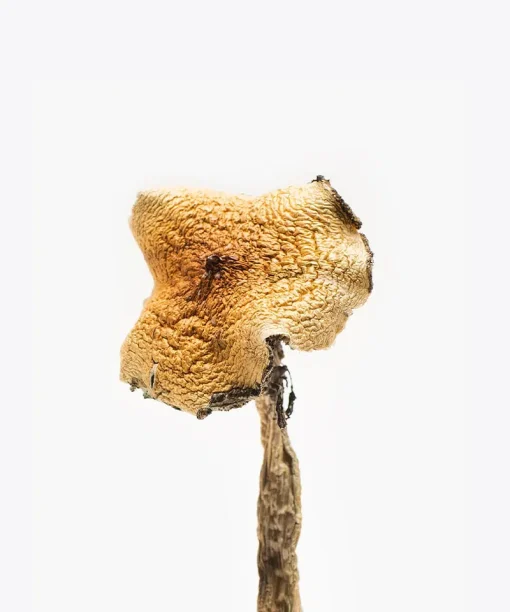
Psilocybin is the primary psychedelic compound found in certain species of mushrooms. After ingestion, the body converts psilocybin into psilocin, which interacts with serotonin receptors in the brain.
Unlike a conventional psychedelic experience, the idea behind a mushroom microdose is that the effects should be subtle enough that a person can continue with ordinary activities.
This idea has attracted interest from people curious about:
- Focus
- Creativity
- Mood
- Productivity
- Self-reflection
- Emotional well-being
- Personal development
- Psychedelic wellness
However, the scientific evidence doesn’t yet support many of the stronger claims made online.
A 2024 rapid review of 19 placebo-controlled microdosing studies concluded that it remains too early to determine whether reported benefits are primarily caused by the psychedelic substance, expectations, or a combination of factors.
That uncertainty is an important part of responsible psychedelic education.
Why Has Psilocybin Microdosing Become So Popular?
Interest in psilocybin microdosing has grown alongside the broader psychedelic renaissance.
For decades, psychedelic research was limited by legal, cultural, and regulatory barriers. In recent years, however, scientists have returned to studying psychedelic compounds in controlled environments.
At the same time, online communities have shared personal stories about microdosing.
People have reported experiences involving:
- Improved mood
- Greater creativity
- Increased concentration
- More energy
- Emotional awareness
- Greater appreciation for everyday experiences
These personal accounts have contributed significantly to public interest.
But anecdotal reports aren’t equivalent to controlled scientific evidence.
This distinction is essential when researching a subject as complex as psychedelic mushrooms.
What Is a Mushroom Microdose?
A mushroom microdose generally refers to a small, sub-hallucinogenic amount of psilocybin-containing mushroom material intended to produce subtle rather than overt psychedelic effects.
The term “microdose” isn’t perfectly standardized across research studies or online communities.
Different studies have investigated different amounts and formulations, which makes direct comparisons difficult.
This lack of standardization is one of the challenges facing microdosing research.
A person’s response can also vary based on:
- Mushroom chemistry
- Psilocybin concentration
- Individual sensitivity
- Body chemistry
- Expectations
- Previous psychedelic experience
- Other substances
- Medications
- Physical and psychological health
For that reason, a number found in an online post shouldn’t automatically be treated as a universal or medically appropriate dose.
Microdosing Psilocybin vs. a Full Psychedelic Experience
The major difference is intended intensity.
A full psychedelic experience can involve pronounced changes in:
- Visual perception
- Thought patterns
- Time perception
- Emotional processing
- Sense of identity
- Sensory awareness
Microdosing is intended to be much subtler.
The goal described in many discussions is to avoid substantial perceptual distortion while potentially experiencing smaller changes in mood, cognition, or subjective awareness.
However, the boundary isn’t always perfectly predictable.
A person’s sensitivity can vary, and a product’s potency can also vary.
Therefore, “microdose” should not be interpreted as meaning “risk-free” or “completely imperceptible.”
How Does Psilocybin Work?
Psilocybin is a naturally occurring psychedelic compound.
After entering the body, it is converted into psilocin.
Psilocin interacts with serotonin receptors, particularly the serotonin 2A receptor, which is strongly associated with psychedelic effects.
Researchers believe that changes in serotonin signaling and communication between brain networks contribute to altered perception and cognition.
At higher psychedelic exposures, these changes can be associated with substantial alterations in consciousness.
At lower exposures, researchers are investigating whether subtler biological and psychological effects occur.
The science is still developing.
What Does Microdosing Psilocybin Feel Like?
This is one of the most difficult questions to answer because there is no single microdose effect that everyone experiences.
People who report microdosing sometimes describe subtle changes such as:
- Slightly different mood
- Increased awareness
- Greater sensory appreciation
- Changes in concentration
- Mild stimulation
- Increased introspection
- Subtle emotional shifts
Other people report little or no noticeable effect.
Some may experience unwanted effects such as:
- Anxiety
- Restlessness
- Headache
- Nausea
- Physical discomfort
- Difficulty concentrating
Research has also found that controlled microdosing studies can produce a mixture of positive, negative, and null findings.
A 2024 systematic review concluded that the evidence remains inconsistent and that definitive conclusions about the effectiveness of psilocybin microdosing cannot yet be made.
Microdosing Benefits: What Do People Claim?
Online discussions frequently associate microdosing benefits with improvements in several areas.
Mood
Some people report feeling more positive, emotionally balanced, or engaged.
Creativity
Creativity is one of the most frequently mentioned reasons for experimenting with microdosing.
Some people describe increased idea generation or new perspectives.
Focus
Another common claim involves concentration and productivity.
Energy
Some people report feeling more motivated or energetic.
Self-Awareness
Others describe increased introspection or awareness of their emotional patterns.
These reports are interesting, but they should be treated as observations rather than established medical facts.
What Does the Research Say About Microdosing Benefits?
Scientific research provides a more complicated picture than online testimonials might suggest.
A 2024 systematic review of psychedelic microdosing and mental health found reports of potential improvements in areas such as mood and focus, but also noted physiologic discomfort and anxiety. The researchers emphasized that the limited number of controlled studies and small sample sizes make it difficult to establish cause and effect.
A separate 2024 rapid review examined placebo-controlled studies involving low-dose psychedelics and found evidence of some biological, physiological, subjective, emotional, and cognitive changes—but also many outcomes that did not differ from placebo.
This means the current scientific position is best summarized as:
Interesting, promising, but not yet conclusive.
Microdosing and the Placebo Effect
The placebo effect is particularly important when discussing psychedelic microdosing.
If someone strongly believes that a substance will improve their mood, creativity, or concentration, those expectations can influence how they perceive their experience.
This doesn’t mean that someone’s experience is imaginary.
It means that expectations can affect subjective outcomes, which is why randomized placebo-controlled trials are so important.
Microdosing studies have faced a special challenge: participants may sometimes recognize whether they received the active substance.
If participants can tell what condition they’re in, expectations can influence the results.
Researchers therefore continue to investigate better ways to design microdosing studies.
Is Microdosing Psilocybin Just a Placebo?
There isn’t currently a definitive answer.
Some research findings suggest that microdosing can produce measurable effects that differ from placebo.
Other findings suggest that some commonly reported benefits may be strongly influenced by expectations.
A 2024 rapid review concluded that available evidence wasn’t sufficient to say that microdosing is primarily a placebo, while also emphasizing that the existing research has significant limitations.
This is a good example of why psychedelic education should avoid extreme claims.
It is too early to say either:
“Microdosing definitely works for everyone.”
or:
“Microdosing is completely placebo.”
The evidence is more nuanced.
Microdosing Research and Creativity
Creativity is one of the most popular reasons people discuss microdosing.
Anecdotal reports sometimes describe:
- More unusual ideas
- Greater openness
- New perspectives
- Increased curiosity
- More flexible thinking
However, controlled studies haven’t established a reliable creativity-enhancing effect.
A 2024 review noted that some placebo-controlled research did not find the expected improvements in creativity or cognition despite these being among the most common anecdotal claims.
More research is needed to determine whether specific populations, contexts, or experimental conditions produce different outcomes.
Microdosing and Focus
Another common claim is that a mushroom microdose can improve focus.
Some observational studies and self-reports suggest people feel more attentive or productive.
However, subjective improvements don’t necessarily translate into measurable improvements on objective cognitive tests.
This distinction is important.
Feeling more focused and actually performing better on a controlled attention test are two different outcomes.
Researchers are continuing to investigate both.
Microdosing and Mood
Mood is another major area of interest.
Some people report feeling:
- More positive
- More emotionally open
- Less stressed
- More motivated
- More connected
However, placebo-controlled evidence remains mixed.
A recent umbrella review reported that mood improvements observed in uncontrolled settings are often reduced when placebo controls are used.
This doesn’t mean that nobody experiences mood changes.
It means scientists don’t yet have enough evidence to conclude that microdosing reliably improves mood across populations.
Microdosing and Mental Health
The relationship between microdosing and mental health deserves particular caution.
Some studies have investigated whether microdosing might be associated with improved mental well-being.
However, microdosing shouldn’t currently be treated as a replacement for established mental-health treatment.
If someone is experiencing:
- Depression
- Severe anxiety
- Suicidal thoughts
- Psychosis
- Mania
- Substance-use problems
- Serious emotional distress
professional medical or mental-health support is more appropriate than relying on self-directed psychedelic experimentation.
Research into psychedelic-assisted therapy is a separate area from informal microdosing.
Microdosing vs. Psilocybin-Assisted Therapy
These concepts are often confused.
Microdosing
Generally refers to repeated exposure to very low amounts intended to produce subtle effects.
Psychedelic-Assisted Therapy
Usually involves a controlled psychedelic experience combined with professional psychological support and structured therapeutic procedures.
These approaches shouldn’t be treated as interchangeable.
Evidence for one does not automatically establish evidence for the other.
This distinction is especially important when reading headlines about psychedelic research.
Psilocybin Research Is Still Developing
The modern field of psilocybin research is relatively young compared with established areas of medicine.
Researchers are investigating:
- Brain activity
- Serotonin signaling
- Perception
- Emotional processing
- Mental health
- Addiction
- Consciousness
- Therapeutic applications
- Long-term safety
Microdosing represents only one part of this broader field.
Much of the most promising clinical research has focused on supervised psychedelic experiences rather than repeated unsupervised microdosing.
Mushroom Microdose Safety
Mushroom safety should be part of any responsible microdosing discussion.
The fact that an amount is described as “micro” doesn’t mean it is automatically safe for everyone.
Potential concerns include:
- Anxiety
- Headache
- Nausea
- Dizziness
- Changes in heart rate or blood pressure
- Sleep disruption
- Psychological discomfort
- Impaired judgment
- Medication interactions
- Unknown long-term effects
A systematic review of psilocybin studies has found that acute adverse effects can occur, reinforcing the importance of understanding safety rather than focusing exclusively on potential benefits.
What Are the Risks of Microdosing Psilocybin?
The long-term risks of repeated low-dose psilocybin exposure aren’t fully established.
This is one of the biggest gaps in current research.
Scientists still need more information about:
- Long-term cardiovascular effects
- Repeated exposure
- Psychological effects
- Individual vulnerability
- Medication interactions
- Effects in older adults
- Effects in people with medical conditions
- Effects during pregnancy
- Effects in people with psychiatric disorders
A 2024 review specifically highlighted the limited evidence regarding sustained effects from repeated microdosing.
Who Should Be Especially Careful?
People with certain health conditions may face additional risks from psychedelic substances.
Particular caution is warranted for people with:
- A history of psychosis
- Certain bipolar-spectrum conditions
- Significant cardiovascular disease
- Serious psychiatric conditions
- Medication interactions
- Pregnancy or breastfeeding
- Previous severe reactions to psychedelics
This list isn’t exhaustive.
Individual circumstances matter, so people with medical or psychiatric concerns should speak with a qualified healthcare professional.
Psilocybin and Prescription Medications
Medication interactions are another area that shouldn’t be ignored.
A person’s response to psilocybin may be affected by prescription medications or other substances.
The outcome can depend on:
- The specific medication
- Dose
- Individual metabolism
- Health conditions
- Other substances being used
People taking prescription medication should consult an appropriately qualified healthcare professional rather than relying on online interaction charts.
Why Mushroom Identification Matters
Another important aspect of mushroom safety is identification.
Not every mushroom that resembles a psychedelic mushroom is safe.
Some poisonous species can look similar to other mushrooms.
Misidentification can result in serious poisoning.
For that reason, people shouldn’t assume that a wild mushroom is safe simply because:
- It resembles a mushroom shown online
- A social media post identifies it
- Someone claims to recognize it
- It has a familiar appearance
A responsible mushroom guide should always distinguish between scientific identification and casual visual guesses.
Microdosing Psilocybin and the Law
The legal status of psilocybin varies by jurisdiction.
Some places prohibit psilocybin-containing mushrooms.
Other jurisdictions may have:
- Decriminalization policies
- Reduced penalties
- Regulated therapeutic programs
- Limited legal access
- Specific exemptions
These categories aren’t interchangeable.
For example, decriminalization doesn’t necessarily mean that commercial sale or possession is legal.
Because psychedelic laws can change, readers should check current laws in their own jurisdiction rather than relying on an old article or social media post.
Psychedelic Education: Separating Facts From Marketing
The growth of the psychedelic industry has created a huge amount of online content.
Some is scientific.
Some is anecdotal.
Some is promotional.
A strong psychedelic education resource should help readers distinguish between these categories.
Scientific Evidence
Published research using controlled methods.
Anecdotal Evidence
Personal reports and experiences.
Marketing Claims
Statements designed to promote a product or service.
These shouldn’t be treated as equally reliable.
A personal story can be valuable without being proof that the same outcome will happen to everyone.
How to Evaluate a Psilocybin Study
When reading about psilocybin research, consider several questions.
Was the Study Placebo-Controlled?
A placebo group can help researchers determine whether changes are attributable to the substance.
Was It Randomized?
Randomization can reduce certain forms of bias.
How Many People Participated?
Small studies can provide useful preliminary information but may not generalize to everyone.
Was the Study Blinded?
Blinding can reduce the influence of expectations.
What Outcomes Were Measured?
Subjective feelings and objective cognitive tests measure different things.
Was It Microdosing or a Full Psychedelic Dose?
These are not interchangeable research models.
Was the Research Conducted in Humans?
Animal and laboratory studies can provide valuable information but don’t automatically predict human outcomes.
Why Expectations Matter in Psychedelic Research
Expectations are particularly important in psychedelic studies.
Psychedelic substances can produce noticeable subjective effects, making it challenging to keep participants unaware of whether they received an active substance.
Researchers therefore continue to improve trial designs.
A 2024 systematic review of psychedelic study design highlighted the importance of better masking and placebo methods for reducing expectancy effects.
This is especially relevant to microdosing because the expected effects are supposed to be subtle.
Microdosing Science vs. Online Claims
Online content may describe microdosing as a solution for:
- Depression
- Anxiety
- ADHD
- Creativity
- Productivity
- Sleep
- Focus
- Stress
These claims shouldn’t all be treated equally.
Some are being investigated scientifically.
Others are based primarily on personal experiences.
Some are marketing claims with little supporting evidence.
The safest approach is to ask:
What does the research actually show?
That question is at the heart of responsible psychedelic education.
Does Microdosing Improve Cognitive Performance?
Current evidence doesn’t establish a reliable cognitive enhancement effect.
Some studies have found measurable changes in cognition, while others haven’t found the expected improvements.
A 2026 umbrella review concluded that current evidence does not support a consistent cognitive-enhancement benefit from classical psychedelic microdosing and emphasized the need for better controlled trials.
This is an area where online enthusiasm has generally moved faster than the science.
Does Microdosing Improve Creativity?
There isn’t currently enough evidence to say that microdosing reliably increases creativity.
Personal reports can be compelling, but controlled research has produced mixed findings.
Creativity itself is also difficult to measure.
Generating more ideas, producing more original ideas, and producing better work aren’t necessarily the same thing.
Future research may provide clearer answers.
Is Microdosing Addictive?
Psilocybin does not generally produce the same pattern of physical dependence associated with substances such as nicotine or opioids.
However, that doesn’t mean repeated psychedelic use is automatically harmless.
Psychological patterns, repeated use, impaired judgment, and interactions with existing mental-health conditions are still important considerations.
Research into long-term microdosing remains limited.
Can Microdosing Cause Anxiety?
Yes.
Although some people report feeling calmer or more positive, others may experience:
- Nervousness
- Restlessness
- Anxiety
- Overstimulation
- Uncomfortable sensory changes
Individual reactions can be difficult to predict.
Someone who is already experiencing significant anxiety may therefore want to discuss psychedelic substances with a healthcare professional before considering them.
Microdosing and the “Sub-Perceptual” Idea
Microdosing is often described as “sub-perceptual.”
This generally means the intended effects are subtle enough not to produce obvious psychedelic alterations.
However, “sub-perceptual” doesn’t mean “biologically inactive.”
Controlled studies have found measurable changes in some physiological, subjective, and neurobiological outcomes.
At the same time, researchers are still working to determine which effects are meaningful, reproducible, and clinically relevant.
Why Psilocybin Mushroom Potency Can Vary
Natural mushroom material isn’t necessarily chemically identical from one sample to another.
Potency can be influenced by:
- Species
- Genetics
- Growing conditions
- Individual mushroom
- Storage
- Processing
- Age
This creates an additional challenge for people attempting to interpret online microdosing advice.
A label or strain name doesn’t necessarily provide enough information to predict the exact amount of active compound present.
Mushroom Strains and Microdosing
Online communities often discuss different mushroom strains in relation to microdosing.
However, strain names can be inconsistent.
Different growers may use the same name differently, and individual samples may vary in chemical composition.
Therefore, claims such as “this strain is always more energetic” or “that strain is always better for focus” should be approached cautiously.
Scientific research generally benefits from carefully characterized materials rather than informal strain labels.
Microdosing and Psychedelic Wellness
The broader psychedelic wellness movement has contributed to growing interest in microdosing.
People are exploring psychedelics in relation to:
- Personal development
- Mindfulness
- Creativity
- Emotional awareness
- Spirituality
- Well-being
These interests are legitimate subjects for discussion.
However, wellness language can sometimes blur the difference between personal experience and medical evidence.
A product being marketed as a wellness tool doesn’t automatically mean its benefits have been clinically demonstrated.
A Responsible Beginner’s Approach to Psychedelic Education
If you’re researching microdosing for the first time, focus on learning before making assumptions.
Learn the Science
Understand what psilocybin is and how researchers believe it interacts with the brain.
Learn the Evidence
Look for controlled trials and systematic reviews rather than relying exclusively on testimonials.
Learn the Risks
Understand that subtle effects aren’t synonymous with zero risk.
Learn the Legal Environment
Check current laws where you live.
Learn About Individual Differences
Health, medications, psychology, and expectations can all influence outcomes.
Be Skeptical of Guaranteed Results
No psychedelic substance should be presented as a guaranteed solution for everyone.
Common Myths About Psilocybin Microdosing
Myth 1: Microdosing Has No Effects
Reality: Research suggests low-dose psychedelics can produce measurable effects, although their significance and consistency remain uncertain.
Myth 2: Microdosing Always Improves Focus
Reality: Evidence for cognitive enhancement is inconsistent, and recent reviews do not support a reliable overall benefit.
Myth 3: Microdosing Always Improves Creativity
Reality: Creativity benefits are frequently reported anecdotally but haven’t been consistently demonstrated in controlled studies.
Myth 4: Microdosing Is Completely Safe
Reality: Short-term adverse effects can occur, and long-term risks remain incompletely understood.
Myth 5: Natural Mushrooms Can’t Be Dangerous
Reality: Mushroom misidentification can result in poisoning, and psilocybin itself can produce unwanted psychological or physical effects.
Myth 6: Microdosing Is the Same as Psychedelic Therapy
Reality: Informal microdosing and professionally supervised psychedelic-assisted therapy are different approaches.
Myth 7: Everyone Responds the Same Way
Reality: Individual responses can vary significantly.
Myth 8: A Microdose Is a Universal Amount
Reality: The term isn’t standardized perfectly across research and informal use.
Frequently Asked Questions About Microdosing Psilocybin
What is microdosing psilocybin?
Microdosing psilocybin generally refers to taking a very small amount of a psilocybin-containing psychedelic with the intention of experiencing subtle effects rather than a full psychedelic experience.
What is a mushroom microdose?
A mushroom microdose generally refers to a small amount of psilocybin-containing mushroom material intended to produce subtle effects.
What are the potential benefits of microdosing?
People commonly report changes involving mood, focus, creativity, energy, and emotional awareness. However, controlled scientific evidence remains mixed.
Does microdosing psilocybin actually work?
Research has identified some measurable effects, but evidence for reliable improvements in mood, creativity, or cognition remains inconsistent. More high-quality research is needed.
Is microdosing a placebo?
There is no definitive answer. Research suggests that both pharmacological effects and expectations may play roles, and current evidence isn’t strong enough to reduce the phenomenon entirely to placebo.
Can microdosing improve creativity?
Some people report improved creativity, but controlled studies have not consistently demonstrated a reliable creativity-enhancing effect.
Can microdosing improve focus?
Some people report better focus, but current evidence does not establish consistent cognitive enhancement.
Can microdosing affect mood?
Yes, mood can change, but the direction and intensity can vary. Some people report positive changes while others may experience anxiety or discomfort.
Is microdosing safe?
Safety isn’t fully established. Short-term unwanted effects can occur, and long-term effects of repeated microdosing remain an important research gap.
Can psilocybin interact with medication?
Potentially. Anyone taking prescription medication should consult an appropriately qualified healthcare professional before considering psilocybin.
Is psilocybin legal?
Its legal status varies significantly by location. Always check current local regulations.
Are all psychedelic mushrooms the same?
No. Different species and samples can vary in chemistry and potency.
Is microdosing the same as psychedelic-assisted therapy?
No. Microdosing and professionally supervised psychedelic-assisted therapy are distinct approaches.
What does psychedelic education mean?
Psychedelic education involves learning about psychedelic substances, their history, science, potential effects, risks, research, and legal context using reliable information.
The Future of Microdosing Research
The future of microdosing research will likely focus on answering several important questions.
Researchers need to determine:
- Which effects are reproducible?
- How much do expectations influence outcomes?
- Are there meaningful long-term benefits?
- What are the long-term risks?
- Which populations might benefit?
- Which people may face increased risks?
- Are certain cognitive effects real and clinically meaningful?
- How does microdosing compare with established treatments?
- How does repeated exposure affect the brain and body?
Larger, well-designed, randomized, placebo-controlled trials will be especially valuable.
Researchers also need better participant diversity and more consistent definitions of what constitutes a microdose.
Until those studies are available, strong claims should be treated cautiously.
Final Thoughts on Microdosing Psilocybin
Microdosing psilocybin has captured public attention because it sits at the intersection of psychedelic culture, neuroscience, mental health, creativity, and personal wellness.
The idea of using a mushroom microdose to produce subtle changes in mood, focus, or creativity is fascinating, but the scientific evidence remains incomplete.
Some studies have identified measurable effects.
Others have found limited or no evidence for the benefits commonly discussed online.
Expectations and placebo effects are also important considerations.
Current research therefore doesn’t justify presenting microdosing as a guaranteed way to improve productivity, creativity, mood, or mental health. Recent reviews continue to emphasize methodological limitations, inconsistent findings, and unanswered questions about repeated use and long-term safety.
For anyone interested in psychedelics, the best starting point is education.
Understand the science.
Understand the uncertainty.
Understand the risks.
Understand the legal environment.
And distinguish personal experiences from clinical evidence.
That’s the foundation of responsible psychedelic education.
At Dope Bliss, the goal should be to make complex psychedelic topics accessible without exaggerating what science has—or has not—proven.
As research continues, the conversation around psilocybin may become more precise.
For now, curiosity is valuable, but evidence matters even more.
Dope Bliss SEO Optimization
SEO Title
Microdosing Psilocybin: Beginner’s Guide to Effects, Benefits & Research
Alternative SEO Titles
Beginner’s Guide to Microdosing Psilocybin & Mushroom Microdoses
Microdosing Psilocybin Explained: Effects, Benefits, Risks & Research
Psilocybin Microdosing Guide: Mushroom Microdose, Science & Safety
Meta Description
Learn about microdosing psilocybin, mushroom microdoses, potential effects, research, safety, risks, legality, and psychedelic education in this beginner’s guide.
Suggested URL Slug
/microdosing-psilocybin-beginners-guide/
Recommended H1
Beginner’s Guide to Microdosing Psilocybin: Effects, Benefits, Risks & Research
Recommended SEO Tags
Primary Keyword
- Microdosing Psilocybin
Secondary Keywords
- Mushroom microdose
- Psychedelic education
Supporting Keywords
- Psilocybin microdosing
- Psilocybin mushrooms
- Microdosing guide
- Magic mushrooms
- Psychedelic mushrooms
- Microdose effects
- Psilocybin effects
- Microdosing research
- Psychedelic research
- Mushroom safety
- Psilocybin safety
- Microdosing benefits
- Microdosing risks
- Psychedelic wellness
- Mushroom guide
- Psilocybin guide
- Psychedelic experience
- Microdosing science
- Mental health and psilocybin
- Psilocybin research
- Mushroom microdose guide
- Psychedelic education guide
- Psilocybin effects explained
- Mushroom safety guide
- Psychedelic wellness guide
Recommended Internal Linking Strategy
This article can become part of a larger Dope Bliss psychedelic education content cluster.
Natural internal links could point to:
Everything You Need to Know About Magic Mushrooms
Suggested anchor: complete magic mushroom guide
Mushroom Safety Guide
Suggested anchor: mushroom safety
Psilocybin Effects Explained
Suggested anchor: understanding psilocybin effects
Psychedelic Wellness Guide
Suggested anchor: psychedelic wellness
Cannabis Effects Guide
Suggested anchor: understanding cannabis effects
The goal should be to connect related educational pages naturally rather than forcing keywords into every paragraph.
Suggested Image SEO
Hero Image
Concept: A clean editorial image of naturally occurring mushrooms in a calm woodland setting, with subtle scientific/psychedelic visual elements.
Alt text:
Microdosing psilocybin and mushroom microdose guide
Image 2
Concept: Educational illustration showing psilocybin being converted into psilocin.
Alt text:
Psilocybin and psilocin explained
Image 3
Concept: Modern scientific laboratory researching psychedelic compounds.
Alt text:
Psilocybin microdosing research and psychedelic science
Image 4
Concept: Person reading scientific research about psychedelic mushrooms.
Alt text:
Psychedelic education and psilocybin research
Image 5
Concept: Educational graphic comparing microdosing research, placebo-controlled studies, and anecdotal reports.
Alt text:
Microdosing research and placebo studies explained
Suggested Featured Snippet
Microdosing psilocybin refers to taking a very small amount of a psilocybin-containing psychedelic with the intention of experiencing subtle effects rather than a full psychedelic experience. People commonly associate microdosing with mood, creativity, and focus, but scientific evidence remains mixed and long-term safety is not fully understood.
Suggested FAQ Schema Questions
- What is microdosing psilocybin?
- What is a mushroom microdose?
- Does psilocybin microdosing work?
- What are the potential benefits of microdosing?
- Can microdosing improve creativity?
- Can microdosing improve focus?
- Can microdosing affect mood?
- Is microdosing psilocybin safe?
- Is microdosing a placebo?
- Can psilocybin interact with medications?
- Is psilocybin legal?
- Is microdosing the same as psychedelic therapy?
- What does psychedelic education mean?
- What does current microdosing research show?
- What are the risks of repeated microdosing?
Suggested Supporting Articles for Dope Bliss
1. What Is Psilocybin? Complete Beginner’s Guide
Target keywords: psilocybin, psilocybin effects, psilocybin guide
2. Magic Mushrooms Explained
Target keywords: magic mushrooms, psychedelic mushrooms, mushroom guide
3. Psilocybin Effects Explained
Target keywords: psilocybin effects, mushroom effects, psychedelic effects
4. Mushroom Safety Guide
Target keywords: mushroom safety, psilocybin safety, psychedelic mushroom safety
5. Psilocybin Research: What Does Science Say?
Target keywords: psilocybin research, psychedelic research, microdosing research
6. Psychedelic Wellness Explained
Target keywords: psychedelic wellness, psychedelic education, psychedelic health
7. Microdosing vs. Psychedelic-Assisted Therapy
Target keywords: microdosing vs therapy, psychedelic-assisted therapy, psilocybin therapy
8. Psilocybin and Mental Health Research
Target keywords: psilocybin mental health, psychedelic research, mental health and psilocybin
9. Mushroom Identification and Safety
Target keywords: mushroom identification, mushroom safety, psychedelic mushroom guide
10. Psychedelic Education: How to Evaluate Online Claims
Target keywords: psychedelic education, psychedelic science, psilocybin information
Content Cluster Recommendation
For SEO, this article should serve as the central page for the Microdosing Psilocybin topic.
The strongest supporting cluster would connect:
Microdosing Psilocybin
↓
Mushroom Microdose
↓
Psilocybin Effects
↓
Microdosing Research
↓
Microdosing Benefits & Risks
↓
Mushroom Safety
↓
Psychedelic Education
↓
Psychedelic Wellness
↓
Psilocybin Research
This structure gives Dope Bliss multiple opportunities to rank for both the main keyword and closely related informational searches while maintaining a clear educational purpose.
Beginner’s Guide to Microdosing Psilocybin: Effects, Benefits, Risks, Research & Psychedelic Education
Primary Keyword: Microdosing Psilocybin
Secondary Keywords: mushroom microdose, psychedelic education
Supporting SEO Keywords: psilocybin mushrooms, magic mushrooms, psychedelic mushrooms, psilocybin effects, microdosing research, psychedelic research, mushroom safety, psilocybin safety, microdosing benefits, microdosing risks, psychedelic wellness, mushroom guide, psilocybin guide, psychedelic experience, microdosing science, psychedelic therapy, psilocybin mental health, psychedelic education, mushroom microdose guide
Introduction to Microdosing Psilocybin
Interest in microdosing psilocybin has grown considerably as psychedelic science becomes a more visible part of modern conversations about consciousness, creativity, mental health, personal development, and wellness.
For newcomers, however, the topic can be confusing.
Social media often presents microdosing as a simple way to become more productive, creative, focused, positive, or emotionally balanced. Scientific research tells a more complicated story. While researchers have found interesting effects from low doses of psychedelic substances, evidence for many of the popular claims remains mixed, and important questions about long-term safety remain unanswered.
That makes education especially important.
A mushroom microdose is generally described as a very small amount of a psilocybin-containing mushroom intended to produce subtle effects rather than the pronounced changes in perception associated with a conventional psychedelic experience.
This beginner’s guide explores the science, history, potential effects, risks, research, legal considerations, and broader culture surrounding psilocybin microdosing.
Whether you’re completely new to psychedelic mushrooms or simply want to understand the conversation more clearly, this guide provides a foundation for responsible psychedelic education.
What Is Psilocybin?
Before understanding microdosing, it helps to understand psilocybin itself.
Psilocybin is a naturally occurring psychedelic compound found in certain species of fungi. These fungi are commonly referred to as magic mushrooms or psychedelic mushrooms.
When psilocybin enters the body, it is converted into another compound called psilocin. Psilocin interacts with serotonin receptors in the brain, particularly the serotonin 2A receptor.
This interaction is associated with changes in perception, cognition, mood, and sensory processing.
At larger psychedelic exposures, these changes can become profound.
At lower exposures, researchers are investigating whether subtler changes can occur without a traditional psychedelic experience.
This is the foundation of modern microdosing research.
What Is Microdosing Psilocybin?
Microdosing psilocybin generally refers to the practice of taking a very small amount of a psilocybin-containing substance with the intention of experiencing subtle effects rather than an obvious psychedelic experience.
The idea is different from taking enough to produce significant visual, perceptual, or consciousness-altering effects.
People interested in microdosing commonly discuss goals such as:
- Creativity
- Focus
- Mood
- Productivity
- Curiosity
- Emotional awareness
- Personal reflection
- General well-being
However, it is important to distinguish reported experiences from scientifically established benefits.
Research into microdosing is still developing, and controlled studies have produced mixed results.
There is currently no scientific basis for claiming that microdosing will reliably improve a particular person’s mood, creativity, focus, or mental health.
What Is a Mushroom Microdose?
A mushroom microdose generally refers to a small amount of mushroom material containing psilocybin.
The term itself isn’t perfectly standardized.
Different studies and communities may use different definitions of what qualifies as a microdose. Mushroom potency can also vary according to species, genetics, cultivation conditions, storage, and other factors.
That means a particular amount of mushroom material doesn’t necessarily contain a predictable amount of psilocybin.
This is one reason online microdosing advice should be treated cautiously.
A number shared in a forum or social media post isn’t automatically a scientifically validated or universally appropriate amount.
Microdosing vs. a Full Psychedelic Experience
Microdosing and a conventional psychedelic experience are intended to be very different in intensity.
A larger psychedelic exposure may involve substantial changes in:
- Visual perception
- Sound perception
- Time perception
- Thought patterns
- Emotional intensity
- Sense of self
- Sensory awareness
- Consciousness
Microdosing is generally discussed as an attempt to remain below that level of obvious perceptual alteration.
However, individual responses vary.
A person can also experience unexpected psychological or physical effects.
Therefore, the term “microdose” shouldn’t be interpreted as meaning that the substance has no effect or carries no risks.
A Brief History of Psychedelic Mushrooms
Human relationships with psychedelic mushrooms have a long history.
Various cultures have used psychoactive fungi in ceremonial, spiritual, and traditional contexts.
Modern Western scientific interest expanded substantially during the twentieth century.
Researchers began investigating compounds such as psilocybin for their effects on perception, consciousness, psychology, and mental health.
Research was later interrupted or restricted by changing drug laws and political attitudes toward psychedelics.
In recent decades, scientific interest has returned.
Universities, hospitals, and research organizations are now investigating psilocybin and other psychedelics under controlled conditions.
This renewed interest is often described as the modern psychedelic renaissance.
Why Is Microdosing So Popular?
Microdosing became particularly popular through online communities and discussions surrounding productivity and personal development.
People have shared stories claiming that microdosing helped them feel:
- More creative
- More focused
- More motivated
- More connected
- More emotionally aware
- More positive
- More productive
These accounts helped introduce microdosing to a much wider audience.
However, personal stories have limitations.
An anecdote can tell us what one person experienced, but it cannot establish that the same effect will occur in other people.
Scientific studies are necessary to determine whether an effect is reliable and whether it is caused by the substance itself.
Microdosing Benefits: What Do People Report?
The most frequently discussed microdosing benefits involve mood, creativity, focus, and general well-being.
Mood
Some people describe feeling more positive or emotionally balanced.
Creativity
Creativity is one of the most frequently mentioned reasons for exploring psychedelic microdosing.
Some users report greater openness to unusual ideas or alternative perspectives.
Focus
Others describe increased concentration or an improved ability to work on tasks.
Motivation
Some people report feeling more motivated or engaged with everyday activities.
Emotional Awareness
Others describe becoming more aware of their emotions, habits, or thought patterns.
These reports are worth studying, but they shouldn’t be confused with proven clinical benefits.
What Does Science Say About Microdosing Benefits?
The research picture is still developing.
Some controlled studies have found measurable effects from low doses of psychedelic substances.
Other studies have found limited effects or results that are not significantly different from placebo conditions.
This creates an important distinction between:
“People report this benefit.”
and:
“Clinical research has established this benefit.”
The first statement may be accurate.
The second may not yet be justified.
A major area of scientific interest is determining how much of the reported benefit comes from pharmacological effects and how much comes from expectations.
The Placebo Effect and Microdosing
The placebo effect is particularly important in microdosing research.
Imagine someone believes that taking a psychedelic microdose will make them more creative.
They take what they believe is an active substance and spend the day looking for signs of improved creativity.
Their expectations can influence their perception of the experience.
This doesn’t mean that the person’s experience is fake.
It means expectations can influence subjective outcomes.
For this reason, researchers use placebo-controlled studies to investigate whether a substance produces effects beyond expectation.
Why Microdosing Studies Are Difficult
Psychedelic research has several unique challenges.
One major problem is blinding.
If a participant can easily recognize that they received a psychedelic substance, they may know which group they belong to.
That knowledge can influence expectations and behavior.
Researchers therefore need sophisticated study designs to separate pharmacological effects from expectation effects.
Other challenges include:
- Small study populations
- Different definitions of microdosing
- Different substances
- Different study durations
- Different outcome measurements
- Differences in participant backgrounds
- Difficulty measuring subjective experiences
These challenges mean that more high-quality research is needed.
Microdosing and Creativity
Creativity is perhaps the most famous claim associated with microdosing.
People often describe psychedelic substances as helping them see familiar problems from new perspectives.
Potentially relevant concepts include:
- Divergent thinking
- Cognitive flexibility
- Associative thinking
- Openness
- Novel idea generation
However, creativity is difficult to measure scientifically.
Being able to generate more ideas isn’t necessarily the same as generating better ideas.
Likewise, feeling more creative isn’t necessarily equivalent to producing objectively more creative work.
Some controlled research has not found the dramatic creativity improvements suggested by anecdotal reports.
Therefore, the relationship between microdosing and creativity remains an active research topic.
Microdosing and Focus
Another major topic is focus.
Online communities sometimes describe microdosing as a way to improve concentration and productivity.
But focus is complicated.
Researchers can measure things such as:
- Reaction time
- Working memory
- Attention
- Cognitive flexibility
- Task performance
A person may subjectively feel more focused while objective performance remains unchanged.
This distinction is important when evaluating claims about microdosing.
Feeling different does not necessarily mean performing better.
Microdosing and Mood
Mood is another major area of interest.
People may report:
- Greater optimism
- Improved emotional awareness
- Increased appreciation
- Reduced negative thinking
- Greater social connection
But mood can be influenced by many factors besides a substance.
Sleep, exercise, social interaction, expectations, environment, stress, and daily routines can all affect mood.
This makes it difficult to determine whether a reported improvement came directly from psilocybin.
Controlled research is therefore essential.
Psilocybin and Mental Health
The relationship between psilocybin and mental health is one of the most important areas of modern psychedelic research.
Researchers are investigating psilocybin in relation to conditions including:
- Depression
- Anxiety
- Substance-use disorders
- Psychological distress
However, much of the clinical research involves carefully supervised psychedelic experiences rather than informal microdosing.
That distinction matters.
Evidence supporting supervised psychedelic-assisted therapy should not automatically be interpreted as evidence that self-directed microdosing produces the same results.
Microdosing vs. Psychedelic-Assisted Therapy
These are two different concepts.
Microdosing
Microdosing generally refers to repeated exposure to very small amounts intended to produce subtle effects.
Psychedelic-Assisted Therapy
Psychedelic-assisted therapy involves a structured therapeutic setting in which a psychedelic experience may be combined with psychological preparation, professional support, and integration.
The two approaches have different research designs, goals, and safety considerations.
A clinical trial involving supervised psilocybin therapy doesn’t prove that informal microdosing will have the same outcome.
This is an important point in responsible psychedelic education.
Understanding Psilocybin Effects
Psilocybin effects can vary considerably depending on the amount consumed, individual sensitivity, environment, expectations, and other factors.
Potential psychological effects can include:
- Changes in perception
- Altered sense of time
- Emotional changes
- Changes in thought patterns
- Increased introspection
- Visual changes at sufficiently high exposure
Physical effects may include:
- Nausea
- Dizziness
- Headache
- Changes in heart rate
- Changes in blood pressure
- Physical discomfort
A person’s reaction isn’t guaranteed to match someone else’s experience.
What Are the Potential Risks of Microdosing?
One of the biggest mistakes in online psychedelic discussions is assuming that a small amount automatically means no risk.
Potential concerns can include:
- Anxiety
- Restlessness
- Headaches
- Nausea
- Dizziness
- Sleep disruption
- Increased psychological distress
- Impaired judgment
- Medication interactions
The long-term effects of repeated low-dose exposure are also not fully understood.
More research is needed to determine the consequences of sustained microdosing over long periods.
Mushroom Safety: Why Identification Matters
Mushroom safety deserves special attention.
Not every mushroom that looks like a psychedelic mushroom is safe.
Some poisonous fungi can resemble non-poisonous varieties.
Misidentification can result in serious poisoning.
This is particularly important when discussing wild mushrooms.
Photographs posted online aren’t necessarily enough to establish safe identification.
Responsible mushroom education should therefore emphasize scientific identification rather than relying on visual similarities or casual online advice.
Psilocybin Safety and Individual Health
A person’s health history can influence their response to psychoactive substances.
People with certain psychiatric or cardiovascular conditions may face additional risks.
Extra caution may be appropriate for people with:
- A history of psychosis
- Certain bipolar-spectrum conditions
- Significant cardiovascular conditions
- Serious psychiatric symptoms
- Pregnancy or breastfeeding
- Previous severe reactions to psychedelics
This isn’t a complete list.
Anyone concerned about their health, medications, or potential interactions should discuss those concerns with a qualified healthcare professional.
Psilocybin and Medications
Medication interactions are another important part of psilocybin safety.
People may take:
- Antidepressants
- Anxiety medications
- Blood-pressure medications
- Stimulants
- Sleep medications
- Other prescription drugs
The potential interaction can depend on the specific medication, dosage, health condition, and individual biology.
Because of this complexity, online interaction lists shouldn’t replace professional medical advice.
Microdosing and Long-Term Safety
One of the biggest unanswered questions in microdosing science concerns long-term use.
Researchers need more evidence regarding:
- Repeated exposure
- Cardiovascular effects
- Psychological effects
- Cognitive effects
- Medication interactions
- Vulnerable populations
- Long-term behavioral changes
A lack of evidence isn’t proof that a practice is dangerous.
But it also isn’t proof that the practice is completely safe.
The scientifically responsible position is to recognize the uncertainty.
Psilocybin Mushroom Potency
Natural mushroom material can vary considerably in potency.
Factors that may contribute to differences include:
- Species
- Genetics
- Growing conditions
- Harvest timing
- Individual mushroom
- Storage conditions
- Processing
This creates an important challenge for people trying to interpret information online.
A mushroom’s name doesn’t necessarily tell you exactly how much active compound it contains.
That makes precise comparisons based solely on appearance or strain names unreliable.
Mushroom Strains and Why Names Can Be Confusing
The online psychedelic mushroom community frequently discusses different “strains.”
However, terminology isn’t always consistent.
Different cultivators may use names differently, and individual samples may vary in chemical composition.
This means claims that one particular variety will always produce a specific psychological effect should be treated cautiously.
Scientific research benefits from standardized and characterized materials.
Online product descriptions and informal strain names don’t necessarily provide the same level of information.
Psychedelic Education: How to Evaluate Online Claims
The internet contains an enormous amount of psychedelic information.
Unfortunately, not all of it is equally reliable.
A good psychedelic education approach is to separate information into three categories.
Scientific Evidence
Published research, systematic reviews, controlled trials, and evidence-based medical information.
Anecdotal Evidence
Personal experiences shared by individuals.
Marketing Claims
Statements intended to sell a product, service, program, or lifestyle.
These categories should never automatically be treated as equivalent.
A personal story can be meaningful without being scientific proof.
How to Read a Psilocybin Study
If you’re researching psilocybin research, ask a few basic questions.
Was the study randomized?
Randomization can help reduce bias.
Was there a placebo group?
A placebo group helps researchers distinguish drug effects from expectations.
How many participants were included?
Small studies can be useful for early research but may not represent the broader population.
Was the study blinded?
Blinding can reduce expectancy effects.
What was actually measured?
Subjective reports and objective cognitive tests can produce very different results.
Was the study about microdosing?
Research involving a full psychedelic experience should not automatically be used to make claims about microdosing.
Was it conducted in humans?
Laboratory and animal research is valuable but doesn’t automatically establish what will happen in people.
Why Scientific Sources Matter
When researching psychedelics, prioritize sources such as:
- Peer-reviewed scientific studies
- Systematic reviews
- Academic institutions
- Government health agencies
- Established medical organizations
- Clinical trial registries
Be cautious with articles that:
- Promise guaranteed results
- Describe psychedelics as cures
- Ignore potential risks
- Use only testimonials
- Don’t provide sources
- Present speculation as fact
- Claim one mushroom works identically for everyone
Good psychedelic education should acknowledge uncertainty rather than hide it.
Psychedelic Wellness and Microdosing
The concept of psychedelic wellness has grown alongside interest in meditation, mindfulness, self-development, and alternative approaches to well-being.
People may be interested in psychedelics because they want to explore:
- Personal reflection
- Creativity
- Mindfulness
- Emotional awareness
- Spirituality
- Self-understanding
These interests are legitimate subjects for cultural and scientific discussion.
However, wellness language can sometimes make scientific claims sound more established than they really are.
A product described as “natural” or “wellness-focused” isn’t automatically risk-free.
Microdosing and Personal Development
Some people approach microdosing as part of a larger personal-development routine.
They may also incorporate:
- Journaling
- Meditation
- Exercise
- Creative work
- Therapy
- Sleep improvements
- Social connection
- Mindfulness
These factors can independently affect well-being.
Consequently, it can be difficult to determine whether a person’s positive experience came from microdosing itself or from the combination of lifestyle changes surrounding it.
This is another reason controlled research is so important.
The Importance of Set and Setting
The concepts of “set” and “setting” are particularly important in psychedelic discussions.
Set refers broadly to a person’s mindset, expectations, mood, and psychological state.
Setting refers to the physical and social environment.
A person’s experience with a psychoactive substance can be influenced by whether they feel:
- Safe
- Comfortable
- Stressed
- Supported
- Anxious
- Distracted
Even when the amount of a substance remains unchanged, the subjective experience can differ considerably.
Microdosing and the Expectation Effect
Expectations can influence psychedelic experiences in complicated ways.
If someone expects microdosing to make them more creative, they may notice moments of creativity more strongly.
If someone expects anxiety, they may pay greater attention to physical sensations associated with nervousness.
This doesn’t mean every effect is imaginary.
Instead, it demonstrates that psychological expectations are an important part of psychedelic research.
Researchers are still working to understand the interaction between pharmacological effects and expectations.
Is Microdosing Addictive?
Psilocybin isn’t generally associated with the same physical dependence pattern seen with substances such as opioids or nicotine.
However, that doesn’t mean repeated psychedelic use is automatically risk-free.
People can develop problematic patterns around many behaviors or substances even without classic physical dependence.
It is therefore useful to consider:
- Why a person is using it
- How often they’re using it
- Whether they feel unable to stop
- Whether it interferes with daily responsibilities
- Whether it replaces established care
- Whether psychological distress is increasing
Responsible psychedelic education should include these considerations.
Is Microdosing Legal?
The legal status of psilocybin differs widely around the world and can change over time.
Some jurisdictions prohibit possession and use.
Others have reduced penalties or decriminalization policies.
Some locations have limited regulated therapeutic programs.
These categories have different meanings.
Decriminalization does not necessarily mean commercial sale is legal.
Medical research authorization doesn’t necessarily mean personal possession is legal.
Anyone researching psychedelics should verify the current law applicable to their own location.
Psilocybin Research vs. Commercial Marketing
As interest in psychedelics grows, commercial marketing has grown alongside it.
This creates a potential problem.
A scientific study may show that researchers observed a particular effect under specific controlled conditions.
A marketing campaign may turn that finding into a much broader claim.
For example:
Research: A study investigates whether psilocybin influences a particular psychological outcome under controlled conditions.
Marketing: A company claims that psilocybin is proven to improve everyone’s mental health.
Those statements aren’t equivalent.
Understanding this difference is one of the most important lessons in psychedelic education.
Common Myths About Microdosing Psilocybin
Myth 1: Microdosing Has No Effects
Not necessarily.
Low doses can still produce physiological or subjective changes, and individual responses vary.
Myth 2: Microdosing Automatically Improves Productivity
There isn’t sufficient evidence to guarantee improved productivity.
Myth 3: Microdosing Always Improves Creativity
Creativity claims are common, but controlled research remains mixed.
Myth 4: Microdosing Is Completely Safe
Long-term safety hasn’t been fully established.
Myth 5: Natural Mushrooms Are Always Safe
Natural doesn’t automatically mean harmless. Mushroom misidentification can also be dangerous.
Myth 6: Psilocybin Is a Proven Cure for Mental Health Conditions
Research into therapeutic applications is promising in some areas, but psilocybin isn’t a universal cure.
Myth 7: Microdosing and Psychedelic Therapy Are the Same
They are different approaches with different research frameworks.
Myth 8: Everyone Responds to Psilocybin the Same Way
Individual biology, psychology, environment, medications, and expectations can all influence the experience.
Microdosing Psilocybin and the Future of Psychedelic Science
The future of psychedelic research may provide clearer answers about microdosing.
Researchers still need to investigate:
- Which effects are reproducible
- Whether benefits extend beyond placebo
- Whether repeated exposure produces long-term changes
- Who may benefit
- Who may be at increased risk
- How individual differences influence outcomes
- How microdosing compares with established treatments
- Whether specific psychological outcomes can be reliably measured
Better research will require larger participant groups, stronger placebo controls, improved blinding, standardized materials, and longer follow-up periods.
What We Still Don’t Know About Microdosing
Science has learned a lot about psilocybin, but important questions remain unanswered.
We don’t yet have definitive answers to questions such as:
- Does microdosing reliably improve mood?
- Does it reliably improve creativity?
- Does it reliably improve focus?
- How much does placebo influence reported benefits?
- What are the long-term consequences?
- Are some people particularly vulnerable to adverse effects?
- How do different mushroom chemistries affect outcomes?
- What happens with repeated exposure over many years?
Recognizing these gaps doesn’t make the research less interesting.
It makes the research more important.
How Beginners Can Approach Psychedelic Education
If you’re new to this topic, start with education rather than assumptions.
1. Understand the Compound
Learn what psilocybin is and how it is converted into psilocin.
2. Understand the Research
Read controlled studies and systematic reviews rather than relying solely on testimonials.
3. Understand the Risks
Learn about psychological, physical, and legal considerations.
4. Understand Individual Differences
Recognize that another person’s experience doesn’t predict yours.
5. Question Strong Claims
Be skeptical of promises involving guaranteed improvements.
6. Check Sources
Look for scientific references and current information.
7. Understand the Legal Context
Psychedelic laws vary substantially between jurisdictions.
Building a Personal Research Checklist
When encountering a new article or social media post about microdosing, ask:
Who wrote it?
Is the author a researcher, journalist, marketer, or anonymous user?
What evidence is provided?
Is there a scientific study or only a personal story?
Was the research controlled?
Was there a placebo comparison?
How large was the study?
Small studies may have limited generalizability.
Are limitations acknowledged?
Reliable scientific writing generally discusses uncertainty.
Is the content selling something?
Commercial incentives can influence claims.
This simple checklist can dramatically improve the quality of information you consume.
Microdosing and the Broader Psychedelic Movement
Microdosing exists within a much larger psychedelic movement.
Other areas of interest include:
- Psilocybin-assisted therapy
- MDMA-assisted therapy research
- LSD research
- Psychedelic neuroscience
- Consciousness research
- Psychedelic anthropology
- Harm reduction
- Psychedelic policy
- Spirituality
- Creativity research
Understanding microdosing therefore means understanding a much larger conversation about psychedelics and society.
Why Responsible Psychedelic Education Matters
Psychedelic substances occupy an unusual position.
They are simultaneously:
- Ancient cultural tools
- Scientific research subjects
- Controlled substances in many jurisdictions
- Objects of spiritual interest
- Topics of commercial marketing
- Potential therapeutic research tools
- Sources of legitimate risk
This complexity makes responsible education essential.
Good information shouldn’t sensationalize psychedelics.
It shouldn’t automatically demonize them either.
Instead, it should explain what is known, what is uncertain, and what remains under investigation.
Frequently Asked Questions About Microdosing Psilocybin
What is microdosing psilocybin?
Microdosing psilocybin generally means taking a very small amount of a psilocybin-containing substance with the intention of experiencing subtle effects rather than a full psychedelic experience.
What is a mushroom microdose?
A mushroom microdose generally refers to a small amount of psychedelic mushroom material intended to produce subtle effects.
What are the potential benefits of microdosing?
People commonly report changes in mood, focus, creativity, motivation, and emotional awareness. Scientific evidence for consistent benefits remains mixed.
Does microdosing psilocybin actually work?
Research has identified some measurable effects, but there isn’t enough evidence to conclude that microdosing reliably produces the popular benefits claimed online.
Is microdosing just a placebo?
Not necessarily. Research suggests that both pharmacological effects and expectations may contribute to reported outcomes.
Can microdosing improve creativity?
Some people report increased creativity, but controlled studies haven’t consistently established a reliable creativity-enhancing effect.
Can microdosing improve focus?
Focus is frequently mentioned in anecdotal reports, but scientific findings remain inconsistent.
Can microdosing affect mood?
Yes, mood can be affected, but the direction and intensity vary between individuals.
Is microdosing safe?
The complete safety profile isn’t established. Short-term adverse effects can occur, while long-term effects of repeated use remain an important research question.
Is psilocybin addictive?
Psilocybin doesn’t generally produce the same physical dependence pattern associated with substances such as opioids, but repeated use can still raise psychological and behavioral concerns.
Can psilocybin interact with medications?
Potentially. Medication interactions can depend on the particular drug and individual circumstances. Professional medical advice is appropriate for people taking prescription medications.
Is psilocybin legal?
Legal status varies significantly by country, state, province, and municipality. Current local regulations should always be checked.
Are all psychedelic mushrooms the same?
No. Different species, genetics, and growing conditions can result in substantial differences.
Is microdosing the same as psychedelic-assisted therapy?
No. Microdosing and supervised psychedelic-assisted therapy are separate approaches.
What does psychedelic education mean?
Psychedelic education involves learning about psychedelic substances, their history, science, effects, risks, research, culture, and legal context.
Why is microdosing research difficult?
Researchers face challenges involving placebo effects, participant expectations, blinding, small samples, inconsistent definitions, and differences between studies.
Final Thoughts: Understanding Microdosing Psilocybin
The growing interest in microdosing psilocybin reflects a much broader cultural and scientific fascination with psychedelic substances.
A mushroom microdose is often discussed as a subtle approach to psychedelic experiences, with people reporting potential changes in creativity, focus, mood, motivation, and emotional awareness.
But responsible psychedelic education requires a distinction between what people report and what scientific research has established.
The research so far is interesting but incomplete.
Some studies have identified measurable effects.
Other studies have found limited or inconsistent results.
Placebo effects and expectations are important considerations.
Long-term safety remains an area where more research is needed.
It is also important to distinguish informal microdosing from professionally supervised psychedelic-assisted therapy. Research involving therapeutic psychedelic experiences cannot automatically be used to claim that microdosing produces the same outcomes.
For beginners, the most valuable approach is therefore education.
Learn about psilocybin mushrooms.
Understand psilocybin effects.
Read about microdosing research.
Explore mushroom safety.
Understand the difference between anecdotal evidence and scientific evidence.
Learn about the legal environment where you live.
And remain skeptical of anyone promising guaranteed results.
The psychedelic field is evolving rapidly, and future research may answer many of today’s unanswered questions.
For now, the most responsible perspective is neither unquestioning enthusiasm nor automatic dismissal.
It is curiosity combined with evidence.
Dope Bliss SEO Optimization
SEO Title
Microdosing Psilocybin: Beginner’s Guide to Effects, Benefits, Risks & Research
Alternative SEO Titles
Beginner’s Guide to Microdosing Psilocybin & Mushroom Microdoses
Microdosing Psilocybin Explained: Effects, Benefits, Risks & Science
Psilocybin Microdosing Guide: Mushroom Microdose, Research & Safety
Meta Description
Explore microdosing psilocybin, mushroom microdoses, potential effects, benefits, risks, research, safety, and psychedelic education in this beginner’s guide.
Suggested URL Slug
/microdosing-psilocybin-beginners-guide/
H1
Beginner’s Guide to Microdosing Psilocybin: Effects, Benefits, Risks & Research
Recommended SEO Tags
Primary Keyword
- Microdosing Psilocybin
Secondary Keywords
- Mushroom microdose
- Psychedelic education
Related Keywords
- Psilocybin microdosing
- Psilocybin mushrooms
- Magic mushrooms
- Psychedelic mushrooms
- Microdosing guide
- Mushroom microdose guide
- Psilocybin effects
- Microdose effects
- Microdosing research
- Psychedelic research
- Mushroom safety
- Psilocybin safety
- Microdosing benefits
- Microdosing risks
- Psychedelic wellness
- Psilocybin guide
- Mushroom guide
- Psychedelic experience
- Microdosing science
- Psilocybin mental health
- Psychedelic therapy
- Psychedelic-assisted therapy
- Psychedelic wellness
- Psychedelic science
- Psychedelic education guide
Suggested Internal Linking Structure for Dope Bliss
This article can serve as a pillar page connecting several related Dope Bliss articles.
1. Everything You Need to Know About Magic Mushrooms
Suggested anchor: complete magic mushroom guide
This can introduce readers to mushroom species, history, psilocybin, traditional uses, and basic safety.
2. What Is Psilocybin?
Suggested anchor: what is psilocybin?
This supporting article can explain the compound, psilocin, serotonin receptors, and psychedelic neuroscience.
3. Psilocybin Effects Explained
Suggested anchor: understanding psilocybin effects
This can explore psychological, perceptual, emotional, and physical effects.
4. Mushroom Safety Guide
Suggested anchor: mushroom safety
This article can focus on identification, poisoning risks, storage, contamination, and responsible education.
5. Psilocybin Research: What Does Science Say?
Suggested anchor: latest psilocybin research
This supporting page can discuss clinical trials, systematic reviews, neuroscience, and limitations.
6. Psychedelic Wellness Explained
Suggested anchor: psychedelic wellness
This can explore the relationship between psychedelics, mindfulness, personal development, and wellness culture.
7. Psychedelic-Assisted Therapy Explained
Suggested anchor: psychedelic-assisted therapy
This can clearly distinguish supervised therapeutic research from informal microdosing.
8. Psilocybin and Mental Health
Suggested anchor: psilocybin and mental health research
This can cover the current research landscape while avoiding unsupported medical promises.
9. How to Evaluate Psychedelic Claims Online
Suggested anchor: how to evaluate psychedelic information
This can help readers distinguish scientific research from anecdotes and marketing.
10. Psychedelic Education Guide
Suggested anchor: psychedelic education
This can become a broad educational hub linking all Dope Bliss psychedelic articles.
Suggested SEO Image Plan
Hero Image
Image concept: Editorial photograph of naturally occurring mushrooms in a sophisticated, educational setting.
SEO alt text:
Beginner’s guide to microdosing psilocybin and psychedelic mushrooms
Image 2 — Psilocybin Science
Image concept: Scientific illustration showing psilocybin and its conversion to psilocin.
SEO alt text:
Psilocybin and psilocin explained
Image 3 — Microdosing Research
Image concept: Modern neuroscience laboratory studying psychedelic compounds.
SEO alt text:
Psilocybin microdosing research and psychedelic science
Image 4 — Psychedelic Education
Image concept: Person studying scientific literature about psychedelic mushrooms.
SEO alt text:
Psychedelic education and psilocybin research
Image 5 — Mushroom Safety
Image concept: Educational mushroom identification display emphasizing scientific identification.
SEO alt text:
Mushroom safety and psychedelic mushroom identification
Image 6 — Psychedelic Therapy
Image concept: Calm, professional therapeutic research environment.
SEO alt text:
Psilocybin-assisted therapy research and psychedelic science
Suggested Featured Snippet
Microdosing psilocybin refers to taking a very small amount of a psilocybin-containing psychedelic with the intention of experiencing subtle effects rather than a full psychedelic experience. People commonly associate microdosing with creativity, focus, and mood, but scientific evidence remains mixed and the long-term safety of repeated microdosing is not fully understood.
Suggested FAQ Schema Questions
- What is microdosing psilocybin?
- What is a mushroom microdose?
- Does psilocybin microdosing work?
- What are the potential benefits of microdosing?
- Can microdosing improve creativity?
- Can microdosing improve focus?
- Can microdosing affect mood?
- Is microdosing psilocybin safe?
- Is microdosing a placebo?
- Can psilocybin interact with medications?
- Is psilocybin legal?
- Is microdosing the same as psychedelic therapy?
- What does psychedelic education mean?
- What does current microdosing research show?
- What are the risks of repeated microdosing?
- What is psilocybin?
- What are magic mushrooms?
- What are psilocybin effects?
- What is psychedelic-assisted therapy?
- How should beginners evaluate psychedelic information?