
Introduction
Pre-rolls have become one of the most convenient ways to enjoy cannabis flower. Instead of purchasing loose flower, preparing it, and rolling it yourself, a pre-roll arrives ready for use.
Although the finished product can look simple, producing a quality cannabis pre-roll involves several stages. Cannabis flower must be selected, prepared, processed, filled or rolled, packaged, and tested according to applicable requirements.
The quality of the original flower matters, but so do consistency, moisture, grind size, paper quality, airflow, packaging, and storage.
In this guide, Dope Bliss explores the process behind cannabis pre-rolls, the differences between standard and infused pre-rolls, what consumers should look for, and how pre-roll quality can vary.
What Is a Cannabis Pre-Roll?
A cannabis pre-roll is a ready-made cannabis cigarette containing ground cannabis flower.
Instead of requiring the consumer to grind flower and roll it into rolling paper, the manufacturer prepares the product in advance.
Pre-rolls may be:
- Standard flower pre-rolls
- Multi-packs
- Infused pre-rolls
- Pre-roll cones
- Different strain or cultivar varieties
- Specialty products containing additional cannabis extracts
The exact format depends on the manufacturer and local regulations.
How Are Pre-Rolls Made?
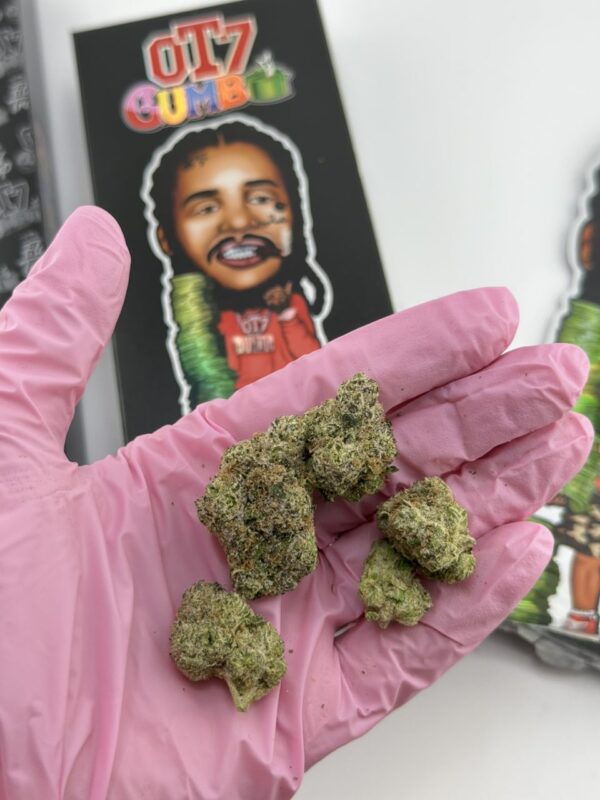
While manufacturing methods vary, a typical pre-roll production process involves several major stages.
1. Selecting Cannabis Flower
The process starts with cannabis flower.
Manufacturers may evaluate flower for:
- Appearance
- Aroma
- Moisture
- Cannabinoid profile
- Terpene profile
- Cleanliness
- Overall quality
High-quality starting material generally makes it easier to produce a consistent finished product.
2. Preparing the Flower
The cannabis flower is prepared before being placed into pre-roll papers.
Preparation can involve removing unwanted plant material and ensuring that the flower is suitable for processing.
The goal is to create material that can be distributed evenly inside the pre-roll.
3. Grinding the Cannabis
Cannabis flower is generally ground into smaller pieces before being placed into a pre-roll.
The grind is important.
If cannabis is too coarse, it may not distribute evenly.
If it is excessively fine, it can affect airflow and may create an unpleasant smoking experience.
Manufacturers therefore aim for a consistent texture appropriate for the product.
4. Filling the Pre-Roll
Once the flower has been prepared, it can be introduced into pre-roll papers or cones.
Commercial operations may use specialized equipment to fill multiple pre-rolls consistently.
Proper filling helps create:
- Consistent weight
- Even airflow
- Reliable structure
- Uniform appearance
Too much material can restrict airflow, while too little may cause the pre-roll to burn unevenly.
5. Packing and Settling
The flower needs to settle appropriately inside the paper.
This helps prevent large empty spaces while avoiding excessive compression.
The goal is a balanced structure that allows airflow through the cannabis.
6. Closing the Pre-Roll
Depending on the format, the open end may be twisted, folded, or otherwise secured.
A properly closed pre-roll helps prevent the flower from spilling during transportation and handling.
7. Quality Control
Quality control is an important part of commercial pre-roll production.
Manufacturers may evaluate:
- Weight
- Appearance
- Fill consistency
- Packaging
- Product labeling
- Cannabinoid content
- Contaminants
- Moisture
- Batch information
Testing requirements vary by jurisdiction.
What Are Infused Pre-Rolls?
Infused pre-rolls contain cannabis concentrates or other cannabis-derived ingredients in addition to flower.
Depending on the product, manufacturers may use extracts such as:
- Live resin
- Rosin
- Distillate
- Other cannabis concentrates
Infused pre-rolls can have substantially different cannabinoid concentrations and effects than ordinary flower pre-rolls.
Consumers should therefore check labels carefully.
Pre-Rolls vs Loose Flower
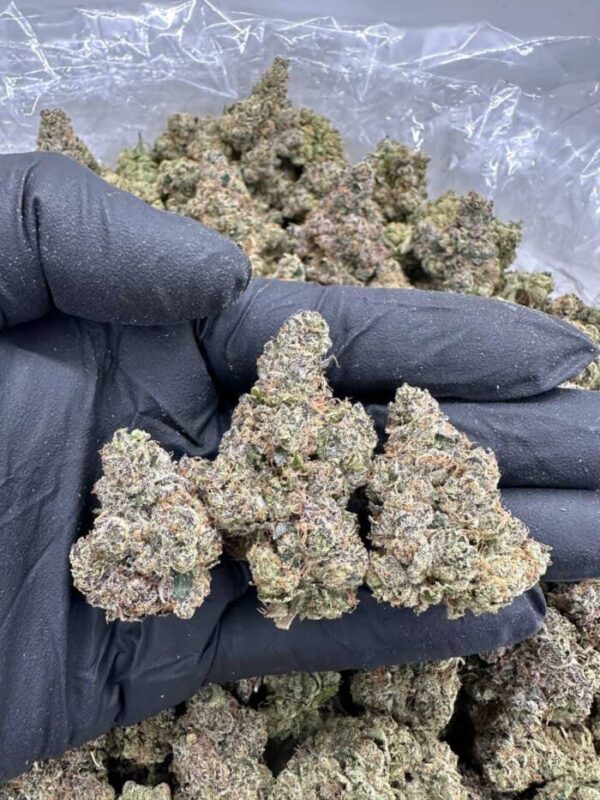
Pre-Rolls
Advantages:
- Convenient
- Ready to use
- No grinding required
- Easy to transport
- Useful for consumers who don’t want to roll themselves
Loose Flower
Advantages:
- More control over quantity
- Greater flexibility
- Can be used in different consumption formats
- Consumers can inspect and prepare the flower themselves
Neither option is automatically better.
The choice comes down to convenience, preference, product quality, and intended use.
What Makes a Good Pre-Roll?
Quality pre-rolls should generally have:
- Even filling
- Appropriate airflow
- Properly prepared flower
- Reliable packaging
- Accurate labeling
- Appropriate moisture
- Consistent construction
A pre-roll that is too tightly packed may have restricted airflow.
One that is too loose may burn inconsistently.
How Should Pre-Rolls Be Stored?
Pre-rolls should generally be protected from:
- Excessive heat
- Direct sunlight
- Excess moisture
- Extremely dry conditions
- Air exposure
A cool, dark, controlled environment can help preserve cannabis quality.
Packaging should remain sealed until the product is ready to be used.
Frequently Asked Questions
Are pre-rolls made from cannabis flower?
Yes. Standard pre-rolls are generally made from ground cannabis flower.
Are infused pre-rolls stronger?
They can contain substantially more cannabinoids than ordinary flower, depending on the formulation.
Why do some pre-rolls burn unevenly?
Uneven grinding, moisture differences, inconsistent filling, airflow problems, or paper construction can contribute.
Are pre-rolls convenient?
Yes. Convenience is one of their main advantages because the product is prepared before purchase.
Conclusion
Understanding how pre-rolls are made provides useful insight into why manufacturing quality matters.
From flower selection and grinding to filling, construction, packaging, and quality control, each stage can affect the finished product.
For consumers, the best approach is to look beyond appearance. Consider laboratory testing, labeling, product freshness, cannabinoid content, and manufacturer reputation.
Pre-rolls are ultimately about convenience, but a well-made pre-roll combines convenience with thoughtful preparation and consistent quality.
2. What Are Cannabinoids? A Complete Guide to Cannabis Compounds
Primary Keyword: What Are Cannabinoids?
Secondary Keywords: cannabinoids, cannabis compounds, THC, CBD, CBG, CBN, endocannabinoid system
SEO Title
What Are Cannabinoids? Complete Guide to THC, CBD & Cannabis Compounds
Meta Description
Learn what cannabinoids are, how THC and CBD differ, what CBG and CBN are, and how cannabis compounds interact with the endocannabinoid system.
Suggested URL Slug
/what-are-cannabinoids/
Introduction
Cannabis is more chemically complex than simply “THC.”
The plant contains numerous naturally occurring compounds, with cannabinoids being among the most important.
THC and CBD are the best-known cannabinoids, but they are far from the only ones. Cannabis can also contain CBG, CBN, CBC, THCV, THCA, CBDA, and other compounds.
Understanding cannabinoids can help consumers make sense of cannabis labels, product descriptions, strain information, and modern cannabis research.
What Are Cannabinoids?
Cannabinoids are chemical compounds that interact with cannabinoid receptors and related biological pathways.
There are three broad categories.
Phytocannabinoids
These are cannabinoids produced naturally by plants.
Examples include:
- THC
- CBD
- CBG
- CBN
- CBC
- THCV
Endocannabinoids
These are cannabinoid-like compounds naturally produced by the human body.
Examples include:
- Anandamide
- 2-AG
Synthetic Cannabinoids
These are laboratory-created compounds designed to interact with cannabinoid receptors.
Synthetic cannabinoids can have substantially different effects from natural cannabis compounds.
THC Explained
THC, or tetrahydrocannabinol, is the best-known intoxicating cannabinoid.
It can influence:
- Perception
- Mood
- Memory
- Appetite
- Coordination
- Attention
THC interacts strongly with CB1 receptors, helping explain its characteristic intoxicating effects.
CBD Explained
CBD, or cannabidiol, is another major cannabinoid.
CBD generally does not produce the same intoxicating high as THC.
Researchers have investigated CBD in connection with numerous biological processes, including neurological and inflammatory pathways.
However, CBD is biologically active and can interact with medications.
CBG Explained
CBG stands for cannabigerol.
It is sometimes called a precursor cannabinoid because CBGA participates in pathways involved in the production of several other cannabinoids.
CBG has become increasingly popular in cannabis products and continues to be studied.
CBN Explained
CBN stands for cannabinol.
It can develop as THC undergoes degradation.
CBN has attracted attention in consumer markets, especially in products marketed around relaxation and nighttime use, although many popular claims require additional research.
What Is the Endocannabinoid System?
The endocannabinoid system is a biological signaling network in the body.
It includes:
- Endocannabinoids
- Cannabinoid receptors
- Metabolic enzymes
- Related signaling pathways
The ECS is involved in numerous physiological processes.
Two major receptors are:
CB1
Especially abundant in the central nervous system.
CB2
Strongly associated with immune and peripheral tissues.
What Are Minor Cannabinoids?
Cannabinoids such as CBG, CBN, CBC, THCV, and CBDV are often called minor cannabinoids because they generally occur in lower concentrations.
The term does not necessarily mean that they are unimportant.
Researchers are investigating these compounds for a wide variety of potential biological properties.
THCA and CBDA
THCA and CBDA are acidic cannabinoid forms.
THCA can convert into THC through decarboxylation when exposed to heat.
Similarly, CBDA can convert into CBD.
This is one reason raw and heated cannabis can have different chemical profiles.
Cannabinoids and Terpenes
Cannabinoids are only one group of cannabis compounds.
Terpenes contribute to aroma and flavor and include compounds such as:
- Myrcene
- Limonene
- Pinene
- Linalool
- Caryophyllene
The combination of cannabinoids and terpenes contributes to the complexity of cannabis chemistry.
Why Cannabinoid Profiles Matter
Two cannabis products can contain similar THC concentrations but have different chemical profiles.
Differences may involve:
- CBD
- CBG
- CBN
- THCV
- Terpenes
- Other plant compounds
This is why THC percentage alone doesn’t describe an entire cannabis product.
Frequently Asked Questions
What are cannabinoids?
Cannabinoids are chemical compounds that interact with cannabinoid receptors and related biological systems.
What is the most famous cannabinoid?
THC is the most famous intoxicating cannabinoid, while CBD is another highly recognized cannabinoid.
Is CBD intoxicating?
CBD generally doesn’t produce the characteristic high associated with THC.
What are minor cannabinoids?
They are cannabinoids that generally occur in lower concentrations than major cannabinoids such as THC and CBD.
Conclusion
Cannabinoids are at the center of cannabis science.
From THC and CBD to emerging compounds such as CBG, CBN, CBC, and THCV, each cannabinoid contributes to a much larger chemical picture.
Understanding cannabinoids also provides a foundation for learning about the endocannabinoid system, terpenes, cannabis products, and ongoing research.
3. What Should First-Time Cannabis Consumers Know?
Primary Keyword: First-Time Cannabis Consumers
Secondary Keywords: beginner cannabis guide, cannabis for beginners, first-time cannabis use, cannabis safety
SEO Title
First-Time Cannabis Consumers: Complete Beginner’s Guide
Meta Description
New to cannabis? Learn what first-time consumers should know about THC, CBD, product labels, consumption methods, impairment, storage, and responsible use.
Suggested URL Slug
/first-time-cannabis-consumer-guide/
Introduction
Trying cannabis for the first time can feel confusing.
There are different products, cannabinoid concentrations, consumption methods, terminology, and legal requirements to understand.
A beginner may encounter:
- Flower
- Pre-rolls
- Edibles
- Vapes
- Concentrates
- THC
- CBD
- Terpenes
- Indica
- Sativa
- Hybrid
Before making any decision, first-time consumers should understand how cannabis products differ and how THC can affect perception, coordination, attention, and judgment.
This guide provides a general educational introduction.
Know the Difference Between THC and CBD
THC and CBD are not the same.
THC is intoxicating and can produce the cannabis high.
CBD generally doesn’t produce the same intoxicating effects.
For beginners, understanding this distinction is essential when reading product labels.
Understand Cannabis Flower
Cannabis flower is the dried flowering portion of the cannabis plant.
Consumers may encounter flower sold as:
- Loose buds
- Pre-rolls
- Different cultivars
- Different cannabinoid profiles
Flower can vary considerably in potency and terpene composition.
Understand Pre-Rolls
Pre-rolls are cannabis flower prepared in a ready-to-use format.
They can be convenient for beginners because they eliminate the need to grind and roll flower.
However, consumers should check the label to understand cannabinoid concentration and whether the product is infused.
Understand Edibles
Edibles contain cannabinoids in food or drink products.
They differ significantly from inhaled cannabis.
Oral THC can take longer to produce noticeable effects and may last longer.
One of the most important beginner mistakes to avoid is assuming that a delayed onset means the product isn’t working.
Understand Cannabis Concentrates
Concentrates contain cannabis extracts with cannabinoids in much higher concentrations than ordinary flower.
Examples include:
- Wax
- Shatter
- Live resin
- Rosin
Because concentrates can be highly potent, they may not be appropriate for someone unfamiliar with THC.
Don’t Judge Quality Only by THC Percentage
A higher THC percentage doesn’t automatically mean better cannabis.
Other characteristics include:
- Cannabinoid profile
- Terpene profile
- Freshness
- Cultivation quality
- Processing
- Laboratory testing
- Storage
Quality is multidimensional.
Learn About Impairment
THC can affect:
- Reaction time
- Coordination
- Attention
- Memory
- Judgment
- Perception
First-time consumers should never assume that feeling “fine” means they are unimpaired.
Activities requiring full attention and coordination should be avoided while intoxicated.
Avoid Mixing Cannabis With Other Intoxicating Substances
Combining cannabis with alcohol or other intoxicating substances can increase impairment and make effects less predictable.
Beginners should avoid combinations that could increase risk.
Choose a Comfortable Environment
For someone experiencing cannabis for the first time, environment matters.
A calm, familiar setting can be preferable to an unfamiliar or stressful environment.
Factors such as:
- Noise
- Crowds
- Anxiety
- Social pressure
- Unfamiliar surroundings
can influence the experience.
Keep Cannabis Away From Children and Pets
Cannabis products should be stored securely and away from children and animals.
Edibles can be particularly concerning because they may resemble ordinary food.
Use appropriate child-resistant packaging where applicable.
Know Your Local Laws
Cannabis laws vary by jurisdiction.
Before purchasing, possessing, transporting, or consuming cannabis, consumers should understand the laws where they live or travel.
Legal cannabis in one location does not necessarily mean cannabis can be transported freely across borders.
What If Someone Feels Uncomfortable?
If THC produces an uncomfortable experience, the safest response is generally to stop consuming more and remain in a calm environment.
A person experiencing severe or concerning symptoms should seek appropriate medical assistance.
Frequently Asked Questions
What should first-time cannabis consumers know?
They should understand THC, CBD, product potency, consumption methods, impairment, storage, local laws, and potential interactions.
Are edibles good for beginners?
Edibles can be difficult for inexperienced consumers because their effects may take longer to appear and can last longer.
Can cannabis affect driving?
Yes. THC can impair coordination, reaction time, attention, and judgment.
Is higher THC better?
Not necessarily. Potency is only one part of product quality.
Conclusion
The best approach for first-time cannabis consumers is education before consumption.
Learn the difference between THC and CBD, understand the products you’re considering, recognize that cannabis can impair coordination and judgment, and understand applicable laws.
Cannabis affects people differently, so responsible decision-making matters more than chasing the highest potency or following someone else’s experience.
4. What Is Live Resin? Complete Guide to This Cannabis Concentrate
Primary Keyword: What Is Live Resin?
Secondary Keywords: live resin cannabis, cannabis concentrates, live resin vs rosin, cannabis extracts, terpene-rich concentrate
SEO Title
What Is Live Resin? Complete Guide to Live Resin Cannabis Concentrates
Meta Description
Learn what live resin is, how it is produced, how it differs from other cannabis concentrates, its terpene profile, potency, storage, and common uses.
Suggested URL Slug
/what-is-live-resin-cannabis/
Introduction
Cannabis concentrates have transformed the way consumers experience cannabis.
Among the most recognizable concentrate types is live resin.
Live resin is known for its strong aroma, rich terpene profile, and concentrated cannabinoid content. Unlike traditional dried cannabis flower, live resin is produced from cannabis material that is preserved in a fresh state before extraction.
That difference can have a major effect on the final product’s chemical profile.
In this guide, we’ll explore what live resin is, how it differs from other concentrates, why terpene preservation matters, and what consumers should know about live resin products.
What Is Live Resin?
Live resin is a cannabis concentrate produced using freshly harvested cannabis that is preserved at very low temperatures before extraction.
The purpose is to preserve more of the plant’s volatile compounds, particularly terpenes.
The resulting concentrate can have:
- Strong aroma
- Distinctive flavor
- High cannabinoid concentration
- Rich terpene profile
- Sticky or viscous texture
Why Is It Called “Live” Resin?
The term “live” refers to the use of fresh cannabis plant material rather than traditionally dried and cured flower.
Fresh plant material contains volatile compounds that can change during drying and curing.
By preserving the material soon after harvest, producers aim to retain more of the plant’s original aromatic profile.
How Is Live Resin Made?
Commercial production involves specialized extraction equipment and controlled conditions.
The general process involves:
Fresh Harvest
Cannabis is harvested and prepared for preservation.
Cold Preservation
The plant material is rapidly preserved at very low temperatures.
Extraction
Cannabinoids and terpenes are extracted using an appropriate commercial extraction process.
Purification and Processing
The resulting extract can be processed into a specific consistency or product format.
Testing
Finished products may undergo laboratory testing for cannabinoid concentration and contaminants according to applicable requirements.
The exact process varies among manufacturers.
Why Terpenes Matter in Live Resin
Terpenes are responsible for many of the aromas associated with cannabis.
Examples include:
- Myrcene
- Limonene
- Pinene
- Linalool
- Caryophyllene
Live resin is often valued because its production process is designed to preserve a richer terpene profile.
This can make live resin particularly appealing to consumers who prioritize aroma and flavor.
Live Resin vs Traditional Cannabis Flower
| Feature | Live Resin | Cannabis Flower |
|---|---|---|
| Form | Concentrate | Dried flower |
| Cannabinoid concentration | Generally higher | Generally lower |
| Terpene profile | Often concentrated | Present naturally |
| Preparation | Extracted | Dried/cured |
| Convenience | Product-dependent | Simple and familiar |
| Potency | Often high | Varies |
The biggest difference is concentration.
Live resin is an extract, while flower is the plant material itself.
Live Resin vs Live Rosin
These names sound similar but describe different products.
Live resin is produced using an extraction process involving solvents.
Live rosin is a solventless concentrate made using mechanical pressure and heat.
Both can be made from fresh-frozen cannabis.
Their production methods and final characteristics can differ.
Live Resin vs Wax
Wax is a broad category of cannabis concentrate with a soft, wax-like consistency.
Live resin refers more specifically to the source material and extraction approach.
A live resin product can have a different texture depending on processing.
Therefore, “wax” and “live resin” aren’t always directly comparable categories.
Live Resin vs Shatter
Shatter is typically a translucent, glass-like concentrate.
Live resin is usually more viscous and may have a more pronounced terpene profile.
Both can be highly concentrated.
Is Live Resin Stronger Than Flower?
Live resin generally contains a much higher concentration of cannabinoids than ordinary flower.
That means the same amount by weight can contain considerably more THC.
Consumers should therefore understand that concentrates are fundamentally different from traditional flower in terms of potency.
Live Resin Storage
Live resin should generally be protected from:
- Heat
- Light
- Air
- Excessive temperature changes
Proper storage can help preserve cannabinoids and volatile terpenes.
Product-specific storage instructions should always take priority.
Frequently Asked Questions
What is live resin?
Live resin is a cannabis concentrate made from fresh cannabis preserved before extraction, with an emphasis on retaining cannabinoids and terpenes.
Is live resin stronger than flower?
It is generally much more concentrated than ordinary cannabis flower.
What is the difference between live resin and live rosin?
Live resin uses solvent-based extraction, while live rosin is produced without solvents through mechanical separation.
Why does live resin smell so strong?
Its production process is designed to preserve a substantial amount of volatile aromatic compounds, particularly terpenes.
Conclusion
Live resin represents one of the most terpene-focused categories in modern cannabis concentrates.
Its defining feature is the use of fresh cannabis material preserved before extraction, helping producers retain a distinctive chemical and aromatic profile.
For consumers, understanding the difference between live resin, flower, rosin, wax, and shatter can make concentrate terminology much easier to navigate.
Because live resin can be highly concentrated, product labeling and responsible handling are especially important.
5. How Do Cannabis Edibles Differ From Flower?
Primary Keyword: Cannabis Edibles vs Flower
Secondary Keywords: cannabis edibles, THC gummies, cannabis flower, edible cannabis effects, edibles vs smoking
SEO Title
Cannabis Edibles vs Flower: Effects, Onset, Duration & Differences
Meta Description
Learn how cannabis edibles differ from flower, including onset time, duration, THC metabolism, product formats, effects, and what beginners should know.
Suggested URL Slug
/cannabis-edibles-vs-flower/
Introduction
Cannabis can be consumed in many different formats, but two of the most familiar are flower and edibles.
Cannabis flower is the dried flowering material of the cannabis plant and is commonly inhaled.
Edibles contain cannabinoids in food, beverages, or other ingestible products.
Although both can contain THC and CBD, the body processes them differently.
This means that cannabis edibles and flower can produce noticeably different experiences.
Understanding these differences is especially important for consumers who are new to cannabis.
What Is Cannabis Flower?
Cannabis flower is the dried and cured flowering portion of the cannabis plant.
It can be sold as:
- Loose flower
- Pre-rolls
- Different cultivars
- Different cannabinoid profiles
Flower is commonly inhaled through smoking or vaporization.
Because inhaled cannabinoids enter the bloodstream through the lungs, effects can appear relatively quickly.
What Are Cannabis Edibles?
Edibles are products containing cannabinoids that are consumed orally.
Examples include:
- THC gummies
- Baked products
- Chocolates
- Drinks
- Capsules
- Other infused foods
The cannabinoid concentration can vary substantially from one product to another.
Labels should be checked carefully.
The Biggest Difference: How the Body Processes Them
One of the most important differences between flower and edibles is the route cannabinoids take through the body.
Flower
When cannabis is inhaled, cannabinoids enter the bloodstream through the lungs.
This generally leads to a relatively rapid onset.
Edibles
When cannabis is eaten, cannabinoids travel through the digestive system and are metabolized by the liver.
THC consumed orally produces metabolites including 11-hydroxy-THC.
This contributes to the distinctive character of edible experiences.
Onset Time
Flower and edibles differ substantially in how quickly their effects become noticeable.
Inhaled Flower
Effects can begin relatively quickly.
Edibles
Edibles generally take longer to produce noticeable effects.
The delay can lead inexperienced consumers to consume more before the initial amount has fully taken effect.
This is one of the most important differences beginners should understand.
Duration of Effects
Edible cannabis effects can last longer than the effects of inhaled cannabis.
This is partly related to digestion and metabolism.
The longer duration can be convenient for some consumers but can also make an uncomfortable experience last longer.
Why Edibles Can Feel Strong
Oral THC is metabolized differently from inhaled THC.
The resulting metabolites can contribute to the intensity and duration of edible experiences.
This doesn’t mean every edible will feel stronger than every flower product.
Product potency, dose, metabolism, individual tolerance, and formulation all matter.
Flower vs Edibles: Quick Comparison
| Feature | Cannabis Flower | Cannabis Edibles |
|---|---|---|
| Consumption | Usually inhaled | Eaten or swallowed |
| Onset | Generally quicker | Generally slower |
| Duration | Generally shorter | Generally longer |
| Dosing | Can be easier to adjust gradually through inhalation | Delayed onset makes self-adjustment harder |
| Product types | Buds, pre-rolls | Gummies, drinks, foods, capsules |
| Metabolism | Direct absorption through lungs | Digestive and liver metabolism |
| THC experience | Rapidly noticeable | Delayed and potentially prolonged |
THC Gummies Explained
THC gummies are one of the most recognizable edible formats.
They are convenient, discreet, and available in many formulations.
However, consumers should understand that gummies can contain concentrated amounts of THC.
Packaging should be checked for:
- THC per serving
- Total THC
- Number of servings
- CBD content
- Other cannabinoids
- Manufacturer information
- Applicable testing information
Edibles and Delayed Onset
Delayed onset is one of the biggest differences between edibles and flower.
A person may consume an edible and feel nothing for a while.
That doesn’t necessarily mean it isn’t working.
The safest approach is to avoid making rapid decisions based on the first few minutes.
People can react very differently to oral THC depending on metabolism and individual factors.
Cannabis Flower and Terpenes
Flower contains cannabinoids as well as naturally occurring terpenes.
Terpenes contribute to:
- Aroma
- Flavor
- Plant chemistry
Common examples include:
- Myrcene
- Limonene
- Pinene
- Linalool
- Caryophyllene
The terpene profile of flower can be different from the profile of an edible product.
Edibles Can Have Different Formulations
Not every edible is simply THC mixed into candy.
Modern products can include:
- THC
- CBD
- CBG
- Other cannabinoids
- Terpenes
- Different formulations designed for particular release characteristics
Always read the label rather than assuming two products with similar names will have identical effects.
Which Lasts Longer: Edibles or Flower?
In general, edible cannabis effects tend to last longer than the effects from inhaled flower.
The difference comes from the way cannabinoids are absorbed and metabolized.
However, duration can vary significantly depending on:
- Dose
- Product
- Individual metabolism
- Tolerance
- Food intake
- Other substances
- Consumption pattern
Can Cannabis Edibles Be More Difficult for Beginners?
They can be.
The delayed onset makes it harder for inexperienced consumers to immediately judge the effects.
Someone accustomed to the rapid onset of inhaled cannabis may be surprised by the slower progression of an edible experience.
For this reason, cannabis education around edibles should emphasize reading labels, understanding serving sizes, avoiding rapid repeat consumption, and keeping products safely stored.
Edibles and Children
Edibles can create a particular safety concern because products such as gummies and chocolates may resemble ordinary food.
Cannabis edibles should be stored securely and kept away from children and pets.
If accidental ingestion occurs, seek appropriate medical assistance.
Cannabis Edibles and Driving
THC can impair:
- Reaction time
- Judgment
- Coordination
- Attention
- Perception
Because edible effects can last for a prolonged period, consumers should be particularly cautious about driving or operating machinery after consuming intoxicating cannabis.
Edibles vs Flower: Which Is Better?
There is no universal answer.
Flower may appeal to consumers who prefer:
- Faster onset
- Traditional cannabis aromas
- Greater control over the timing of effects
Edibles may appeal to people who prefer:
- No inhalation
- Discreet consumption
- Food or beverage formats
- Longer-lasting effects
The best choice depends on the individual, product, laws, and circumstances.
Frequently Asked Questions
Are edibles stronger than flower?
Not necessarily, but edible THC is processed differently and can produce longer-lasting effects.
Why do edibles take longer to work?
Because cannabinoids must pass through the digestive system and undergo metabolism before producing their full effects.
Do edibles last longer than flower?
Generally, yes. Oral cannabis effects often last longer than inhaled cannabis effects.
What are THC gummies?
THC gummies are edible products infused with THC.
Can edibles impair driving?
Yes. THC-containing edibles can impair reaction time, attention, coordination, and judgment.
Are edibles suitable for beginners?
They can be more challenging for inexperienced consumers because onset is delayed and effects can last longer.
Final Thoughts
Understanding cannabis edibles vs flower comes down to understanding how the body receives and processes cannabinoids.
Flower is commonly inhaled and generally produces effects relatively quickly.
Edibles are consumed orally, take longer to produce noticeable effects, and can produce longer-lasting experiences.
Neither format is automatically better.
What matters is understanding the differences, reading product labels, recognizing the potential for THC impairment, storing products responsibly, and following applicable laws.
For anyone exploring cannabis education, knowing the difference between flower and edibles is an important foundation for understanding the wider world of cannabis products.
Dope Bliss SEO Content Cluster
These five articles can work together as a strong cannabis education cluster.
Article 1
How Are Pre-Rolls Made?
Primary keyword: how are pre-rolls made
Article 2
What Are Cannabinoids?
Primary keyword: what are cannabinoids
Article 3
What Should First-Time Cannabis Consumers Know?
Primary keyword: first-time cannabis consumers
Article 4
What Is Live Resin?
Primary keyword: what is live resin
Article 5
How Do Cannabis Edibles Differ From Flower?
Primary keyword: cannabis edibles vs flower
Suggested Internal Links Between These Articles
Pre-Rolls → Cannabis Flower Guide
Anchor text: cannabis flower
Pre-Rolls → Cannabinoids Guide
Anchor text: cannabinoids in cannabis
Cannabinoids → THC vs CBD Guide
Anchor text: THC vs CBD
First-Time Consumers → Cannabis Storage Guide
Anchor text: how to store cannabis
First-Time Consumers → Edibles vs Flower
Anchor text: cannabis edibles vs flower
Live Resin → Cannabis Concentrates Guide
Anchor text: cannabis concentrates
Live Resin → Cannabis Terpenes Guide
Anchor text: cannabis terpenes
Edibles → Cannabinoids Guide
Anchor text: THC and CBD
Edibles → First-Time Consumer Guide
Anchor text: cannabis beginner guide
Recommended SEO Tags for the Five Articles
Pre-Rolls
cannabis pre-rolls, pre-rolled joints, how pre-rolls are made, cannabis flower, pre-roll guide, infused pre-rolls
Cannabinoids
cannabinoids, cannabis compounds, THC, CBD, CBG, CBN, CBC, THCV, endocannabinoid system, cannabinoid receptors
First-Time Consumers
cannabis for beginners, first-time cannabis consumers, beginner cannabis guide, cannabis safety, THC guide, CBD guide, cannabis education
Live Resin
live resin, live resin cannabis, cannabis concentrates, cannabis extracts, live rosin, wax, shatter, cannabis terpenes
Edibles vs Flower
cannabis edibles, cannabis flower, THC gummies, edibles vs flower, edible cannabis effects, THC edibles, cannabis consumption methods