
Cannabis flowers are at the heart of the cannabis experience. Whether you are discovering cannabis for the first time or already know your way around different cultivars, understanding the flower itself can make it easier to appreciate differences in appearance, aroma, cultivation methods, cannabinoid profiles, and overall quality.
At Dope Bliss, we believe that good cannabis culture starts with good information. The world of cannabis flowers has evolved considerably, with cultivators developing new genetics, refining growing techniques, and paying closer attention to everything from soil and lighting to harvesting and curing. As a result, today’s consumers can encounter an enormous variety of flowers, each with its own characteristics.
This ultimate guide explores what cannabis flowers are, how they are cultivated, what separates premium cannabis flowers from ordinary flower, how indoor cannabis compares with outdoor-grown plants, and what to consider when exploring different strains.
Whether you’re interested in cannabis cultivation, learning about cannabis terminology, or simply becoming a more informed enthusiast, let’s break it down.
What Are Cannabis Flowers?

Cannabis flowers are the mature, resin-rich buds produced by female cannabis plants. They contain many of the plant’s naturally occurring compounds, including cannabinoids and aromatic compounds known as terpenes.
When people talk about cannabis flower, they are generally referring to the dried and cured buds that are prepared after cultivation. These flowers can vary dramatically in color, density, aroma, texture, cannabinoid composition, and terpene profile.
A flower’s appearance can sometimes provide clues about how it was cultivated and handled, but visual appearance alone does not tell the whole story. Two flowers may look similar while having completely different chemical profiles.
That is one reason cannabis enthusiasts often look beyond appearance and consider:
- Cultivation method
- Genetics
- Cannabinoid content
- Terpene profile
- Harvest timing
- Drying and curing
- Storage conditions
- Laboratory testing where available
Understanding these characteristics can help consumers make more informed choices where cannabis products are legal and regulated.
Understanding Cannabis Flower Genetics
Genetics are one of the foundations of cannabis flower. The genetic characteristics of a plant influence how it grows and can contribute to its eventual cannabinoid and terpene profile, structure, aroma, and appearance.
Cannabis varieties are often discussed using categories such as indica, sativa, and hybrid. However, modern cannabis genetics are much more complex than these simple labels suggest.
Indica, Sativa, and Hybrid
Traditionally, indica varieties have been associated with shorter plants and broader leaves, while sativa varieties have often been associated with taller plants and narrower leaves.
Hybrids are combinations of different genetic lines.
Today, however, these categories don’t necessarily predict a flower’s chemical profile or subjective experience with precision. For a more meaningful understanding of a particular product, looking at its cannabinoid and terpene information can be more useful than relying solely on an indica or sativa label.
Cultivar Names and Strains
The word “strain” is commonly used throughout cannabis culture, although cultivators and industry professionals sometimes prefer the term cultivar because it more accurately describes a cultivated variety.
You’ll encounter countless names when exploring cannabis flowers. Some names refer to established genetics, while others may be used by particular growers or brands.
This is why the name alone shouldn’t determine whether a flower is considered high quality. Genetics matter, but cultivation and post-harvest handling matter too.
What Makes Premium Cannabis Flowers Different?
The phrase premium cannabis flowers is frequently used to describe high-quality buds that have been carefully cultivated, harvested, dried, cured, tested, and stored.
But what actually makes flower premium?
Quality is usually the result of several factors working together rather than a single characteristic.
1. Healthy Development
Quality begins during cultivation. Plants need suitable environmental conditions throughout their growth cycle. Light, temperature, humidity, nutrients, water, airflow, and genetics all influence development.
Cultivators who carefully manage these variables can produce flowers with desirable structures and well-developed resin production.
2. Trichome Development
Trichomes are tiny structures found on cannabis flowers. They are responsible for producing many of the plant’s cannabinoids and terpenes.
Under magnification, mature flowers can appear covered in a sparkling layer of resin-producing trichomes.
Trichome development is one of the characteristics enthusiasts often look for when evaluating flower.
3. Aroma and Terpenes
Aroma is another major part of the cannabis flower experience.
Terpenes are naturally occurring aromatic compounds found in cannabis and many other plants. Different terpene combinations can produce aromas that range from citrus and pine to floral, herbal, earthy, fruity, or spicy.
Some commonly discussed cannabis terpenes include:
- Myrcene
- Limonene
- Pinene
- Linalool
- Caryophyllene
The overall aroma of a flower comes from its combination of terpenes and other volatile compounds rather than one compound working alone.
4. Appearance
Premium flower often has a visually appealing structure, with healthy-looking buds, visible trichomes, and relatively consistent coloration.
However, appearance should not be treated as a definitive measure of quality.
Bright colors, excessive frost, or unusually dense buds do not automatically mean a flower is superior. Quality should be evaluated holistically.
5. Proper Drying and Curing
Even excellent cultivation can be undermined by poor post-harvest handling.
Drying removes excess moisture from harvested flowers. Curing then allows the remaining moisture to redistribute gradually while the flower develops a more refined aroma and texture.
Properly handled cannabis flower should generally avoid being excessively wet or excessively dry.
This stage is particularly important because it can influence how the finished flower smells, feels, burns, and maintains its quality during storage.
Indoor Cannabis: Why Growing Environment Matters
Indoor cannabis cultivation has become an important part of the modern cannabis industry.
Growing indoors gives cultivators considerable control over environmental conditions. Instead of depending on natural sunlight and outdoor weather, growers can carefully manage lighting, temperature, humidity, ventilation, and other environmental factors.
This level of control can provide consistency from one cultivation cycle to another.
Advantages of Indoor Cultivation
Indoor growing can offer several potential advantages:
Environmental control: Growers can carefully manage temperature and humidity.
Lighting control: Artificial lighting allows cultivators to create consistent light schedules and intensities.
Year-round cultivation: Indoor facilities aren’t dependent on traditional outdoor growing seasons.
Protection from weather: Plants can be protected from many environmental conditions that can affect outdoor crops.
Consistency: Controlled environments can make it easier to reproduce specific cultivation conditions.
Indoor cannabis cultivation can therefore be highly technical. Modern facilities may use automated systems to monitor environmental variables and maintain precise growing conditions.
Is Indoor Cannabis Always Better?
Not necessarily.
Growing method is only one factor in flower quality. A carefully cultivated outdoor plant can produce exceptional flower, while poorly managed indoor cultivation can produce disappointing results.
Outdoor cultivation can also offer unique characteristics because plants grow under natural sunlight and within their local environment.
The most important question isn’t simply whether cannabis was grown indoors or outdoors. Instead, consider how well it was cultivated and handled throughout the entire production process.
Indoor vs. Outdoor Cannabis Flowers
The indoor-versus-outdoor conversation has been part of cannabis culture for decades.
Indoor flowers are typically grown under controlled lighting and environmental conditions, while outdoor flowers are cultivated using natural sunlight.
Both methods have advantages.
Indoor Flower
Indoor cultivation can provide:
- Controlled environmental conditions
- Consistent lighting
- Greater control over humidity
- Protection from many weather-related challenges
- More predictable cultivation cycles
Outdoor Flower
Outdoor cultivation can provide:
- Natural sunlight
- Large growing environments
- Seasonal cultivation
- Potentially lower energy requirements
- Unique environmental influences
Neither method automatically guarantees superior flower.
Ultimately, genetics, cultivation expertise, harvest timing, drying, curing, testing, and storage all contribute to the finished product.
How to Recognize Quality Cannabis Flowers
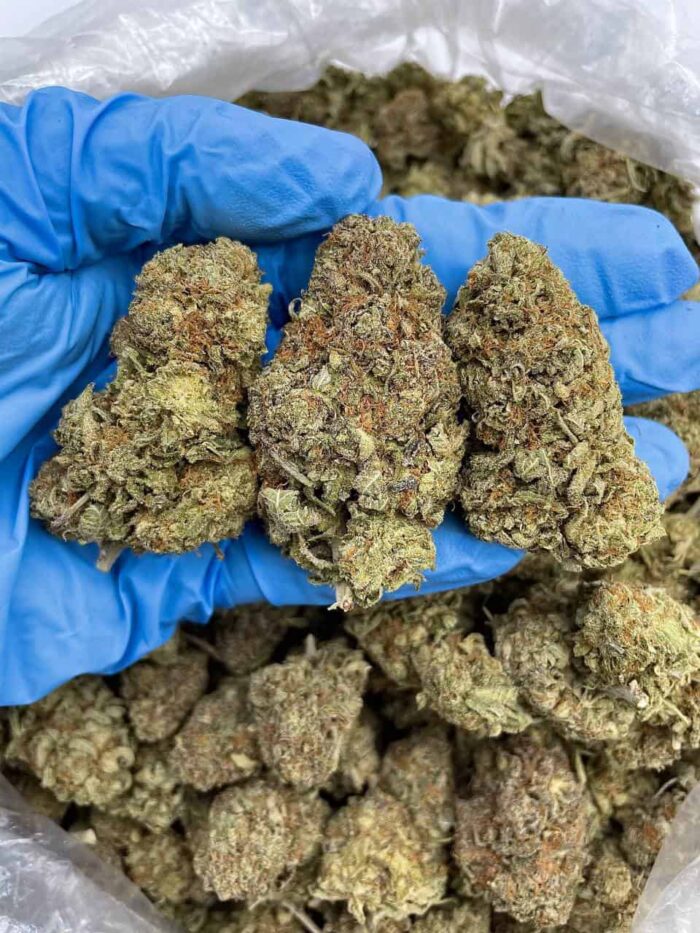
If cannabis is legal for adult use where you live, learning how to evaluate flower can be useful.
Here are several characteristics worth considering.
Aroma
Aroma is one of the easiest characteristics to assess. Quality flower can have a noticeable and complex scent.
Depending on genetics, you might encounter citrus, pine, fruit, herbs, flowers, spice, or earthy notes.
An unusually harsh chemical smell or an unpleasant mustiness may be a reason to avoid a product.
Texture
Good flower generally shouldn’t feel soaking wet or crumble into dust at the slightest touch.
The texture should reflect appropriate drying and curing.
Too much moisture can create storage concerns, while excessively dry flower can lose aroma and become brittle.
Trichomes
Trichomes are often visible as tiny crystalline structures on the surface of the flower.
A magnifying tool can provide a closer look.
Remember that more visible trichomes do not automatically mean a product is better. The overall cannabinoid and terpene profile, cultivation practices, and handling all matter.
Color
Cannabis flowers can range from different shades of green to purple and other hues depending on genetics and cultivation conditions.
Color alone should not be used to determine potency or quality.
Packaging and Testing
Where legal and available, regulated products may include laboratory information describing cannabinoid content and other product details.
Checking the packaging, testing information, production date, and storage recommendations can help consumers make informed decisions.
Exploring the Best Weed Strains
Searching for the best weed strains can quickly become overwhelming.
There are thousands of cannabis varieties and countless hybrids available across different markets. Rather than asking which strain is universally the best, it can be more useful to ask:
Which flower characteristics are you looking for?
For example, someone might prioritize:
- Strong aroma
- Fruity terpene profiles
- Earthy flavors
- Citrus notes
- Dense flower structure
- Specific cannabinoid ratios
- Particular terpene combinations
- Cultivation method
- Laboratory-tested products
This approach helps shift the focus from hype to characteristics.
Why There Isn’t One Best Strain
Cannabis preferences are highly individual.
One person may prefer a flower with strong citrus aromas, while another may enjoy earthy or pine-like profiles.
Likewise, someone might prefer a particular cannabinoid concentration, while another person may prefer a more balanced profile.
Instead of automatically choosing whatever is labeled the “best,” learn what characteristics you actually enjoy.
Cannabis Strains and Terpene Profiles
Terpenes have become one of the most discussed subjects among cannabis enthusiasts.
They contribute to aroma and flavor and are part of the plant’s overall chemical profile.
Myrcene
Myrcene is commonly associated with earthy, herbal, and sometimes fruity aromas.
Limonene
Limonene is known for citrus-like aromas and is also found naturally in citrus fruits.
Pinene
Pinene is associated with pine-like aromas and occurs naturally in many plants.
Linalool
Linalool is commonly associated with floral aromas and is also found in plants such as lavender.
Caryophyllene
Caryophyllene can contribute spicy, peppery, and woody notes.
It’s important to remember that the presence of a particular terpene doesn’t guarantee a specific effect. Cannabis chemistry is complex, and individual experiences can vary.
THC, CBD, and Other Cannabinoids
Cannabis flowers contain cannabinoids, with THC and CBD being among the best known.
THC, or tetrahydrocannabinol, is the cannabinoid primarily associated with cannabis intoxication.
CBD, or cannabidiol, does not produce the same intoxicating effects as THC.
Cannabis flowers can contain different combinations and concentrations of cannabinoids.
Other cannabinoids that may appear in cannabis research and product testing include CBG, CBC, and THCV.
The cannabinoid profile can therefore be an important consideration when comparing flowers.
Why Cannabinoid Percentage Isn’t Everything
A common mistake is assuming that the flower with the highest THC percentage must automatically be the best.
That’s not necessarily true.
Cannabis is chemically complex. Two flowers with similar THC percentages can have dramatically different terpene profiles, aromas, structures, and overall characteristics.
A more complete evaluation considers the whole profile, including:
Cannabinoids + terpenes + genetics + cultivation + harvest + curing + storage
This is one reason experienced cannabis enthusiasts often pay attention to more than a single number printed on packaging.
The Importance of Harvesting
Harvest timing can influence the final characteristics of cannabis flowers.
Cultivators monitor plant development and resin production to determine when flowers are ready for harvest.
Harvesting too early or too late can influence the resulting product.
Once harvested, flowers enter the drying and curing stages, which are equally important for maintaining quality.
Drying and Curing Cannabis Flowers
Drying and curing are often overlooked by beginners, but they can have a significant impact on finished flower.
Drying
After harvest, freshly cut flowers contain substantial moisture. Controlled drying gradually reduces that moisture.
The process needs to be managed carefully because excessively rapid or improper drying can negatively affect the final product.
Curing
Curing is a longer post-harvest process intended to help stabilize the flower and develop its aroma and texture.
Proper curing can help produce flower that smells more developed and has a more consistent texture.
For consumers, this is another reason to pay attention to how products have been handled after cultivation.
Proper Cannabis Flower Storage
Once cannabis flowers have been purchased legally, proper storage can help maintain their quality.
Cannabis should generally be protected from:
- Excessive heat
- Excessive light
- High humidity
- Excessive dryness
- Air exposure
A suitable airtight container kept in an appropriate environment can help preserve aroma and texture.
Avoid exposing flower to unnecessary heat or direct sunlight.
The goal is to maintain a stable environment rather than constantly exposing the flower to changing conditions.
Cannabis Flower Quality: Common Mistakes to Avoid
There are several common misconceptions surrounding cannabis flowers.
Mistake 1: Choosing Only by THC Percentage
Higher THC does not automatically equal higher quality.
Mistake 2: Assuming Indoor Means Superior
Indoor cultivation offers environmental control, but growing method alone doesn’t determine quality.
Mistake 3: Judging Only by Appearance
Beautiful flower can still have a disappointing aroma or poor handling history.
Mistake 4: Ignoring Terpenes
Cannabinoids aren’t the only important compounds in cannabis. Terpene profiles can provide valuable information about aroma and flavor.
Mistake 5: Poor Storage
Even excellent flower can lose quality when stored improperly.
Mistake 6: Buying Based Entirely on Hype
Popular strain names can be interesting, but the actual product’s genetics, testing, cultivation, and freshness are more meaningful indicators.
Choosing Cannabis Flowers Responsibly
Cannabis laws differ significantly between jurisdictions. Before purchasing or possessing cannabis, always understand the regulations that apply to your location.
For legal adult consumers, responsible selection means paying attention to product information rather than relying exclusively on marketing claims.
Look for clearly labeled products from legal and regulated sources where applicable.
Consider:
- Cannabinoid information
- Terpene information
- Testing information
- Packaging date
- Cultivation method
- Storage conditions
- Product freshness
- Your own preferences
If you’re new to cannabis, understanding the product before using it is especially important.
Why Cannabis Culture Continues to Evolve
Cannabis culture has changed considerably as legalization and scientific research have expanded in different parts of the world.
Consumers have become more interested in the details behind their products.
Instead of simply asking, “How strong is it?” today’s enthusiasts may ask:
What genetics were used?
What terpenes are present?
Was it grown indoors or outdoors?
How was it cured?
Was it laboratory tested?
These questions reflect a growing appreciation for cannabis as an agricultural product with complex chemistry.
The future of cannabis flowers will likely continue moving toward greater transparency, more sophisticated genetics, improved cultivation technology, and better consumer education.
Frequently Asked Questions About Cannabis Flowers
What are cannabis flowers?
Cannabis flowers are the mature buds produced by female cannabis plants. They contain cannabinoids, terpenes, and other naturally occurring compounds.
What makes premium cannabis flowers different?
Premium cannabis flowers generally refer to carefully cultivated and properly harvested, dried, cured, tested, and stored flower. Quality depends on multiple factors rather than appearance or THC percentage alone.
Is indoor cannabis better than outdoor cannabis?
Not automatically. Indoor cultivation allows greater environmental control, while outdoor cultivation benefits from natural sunlight and seasonal growing conditions. Cultivation quality matters more than the label alone.
What are the best weed strains?
There isn’t one universally best strain. The right choice depends on individual preferences for genetics, aroma, terpene profile, cannabinoid content, cultivation style, and other characteristics.
Why are terpenes important?
Terpenes contribute significantly to the aroma and flavor profile of cannabis flowers. Different combinations can create distinctive scents and tastes.
Does higher THC mean better cannabis?
No. THC concentration is only one characteristic of cannabis flower. Terpenes, genetics, cultivation, curing, freshness, and overall cannabinoid composition can also matter.
How should cannabis flowers be stored?
Legally purchased cannabis flower should generally be kept in an airtight container and protected from excessive heat, light, moisture, and air exposure. Always follow product-specific storage instructions where provided.
Final Thoughts: Finding Your Ideal Cannabis Flower
The world of cannabis flowers is much more diverse than simply choosing between a few strain names.
From genetics and terpene profiles to cultivation methods and post-harvest handling, countless variables contribute to the characteristics of a finished flower.
Premium cannabis flowers are generally the result of attention to detail at every stage—from the plant’s genetics and growing environment to harvesting, drying, curing, packaging, and storage.
Indoor cannabis offers cultivators impressive environmental control, but outdoor cultivation can also produce exceptional flowers when managed properly.
And when searching for the best weed strains, remember that “best” is subjective. The ideal flower depends on the characteristics that matter most to you.
At Dope Bliss, we believe the best cannabis culture is informed cannabis culture. Take time to learn about the flower, understand the terminology, explore terpene and cannabinoid profiles, and make responsible decisions based on accurate product information and the laws in your area.
Cannabis flowers are more than just buds. They represent genetics, agriculture, craftsmanship, chemistry, and culture—all coming together in one plant.
The more you understand what goes into the flower, the easier it becomes to appreciate the details that make every cultivar unique.
SEO Meta Title
Ultimate Guide to Cannabis Flowers | Premium Cannabis Guide
SEO Meta Description
Discover the ultimate guide to cannabis flowers, including premium cannabis flowers, best weed strains, indoor cannabis, terpenes, cannabinoids, cultivation, curing, and storage.
Suggested URL Slug
/ultimate-guide-to-cannabis-flowers
Primary Keyword
Cannabis Flowers
Secondary Keywords
- Premium cannabis flowers
- Best weed strains
- Indoor cannabis
- Cannabis strains
- Cannabis flower guide
- Cannabis terpenes
- Cannabis cultivation
- Cannabis flower quality
- Cannabis flower storage
- THC and CBD
- Cannabis genetics
Suggested SEO Tags
Cannabis Flowers, Premium Cannabis Flowers, Best Weed Strains, Indoor Cannabis, Cannabis Strains, Cannabis Terpenes, Cannabis Cultivation, Cannabis Guide